

· By Admin
Is Gluten Free Indoor Cat Food Worth It?
Your indoor cat may spend the day bird-watching from the windowsill, but their nutritional needs are anything but passive. The right gluten free indoor cat food should support a healthy body weight, comfortable digestion, lean muscle, and a glossy coat without asking your cat to eat an oversized bowl to get there.
For many cats, avoiding gluten is a sensible part of a cleaner, meat-conscious feeding program. It is not a cure-all, and it is not necessary for every cat. What matters most is choosing a complete, highly digestible diet that fits your cat's individual needs and feeding it in portions that match their quieter indoor lifestyle.
When Gluten Free Indoor Cat Food Helps
Gluten is a protein found in grains such as wheat, barley, and rye. A true gluten sensitivity or allergy in cats is uncommon, but some cats do better when wheat-based ingredients are removed from the bowl. Owners may start looking for a gluten-free formula after noticing recurring loose stool, vomiting, itchy skin, excessive scratching, dull coat quality, or frequent ear irritation.
Those signs can have many causes. Fleas, environmental allergies, parasites, stress, sudden diet changes, and medical conditions can all affect a cat's skin or digestion. That is why it is wise to speak with your veterinarian when symptoms are persistent, severe, or accompanied by weight loss, lethargy, or a reduced appetite.
Still, food quality matters. Cats are obligate carnivores, meaning animal-based protein is central to their biology. A formula built around quality animal protein and free from wheat gluten can be a practical choice for cats with suspected food sensitivities and for owners who want to avoid unnecessary grain-based fillers.
Gluten-free does not automatically mean grain-free, and grain-free does not automatically mean better. Some gluten-free foods use rice, oats, or other carbohydrate sources. The useful question is not simply, “Does this food have gluten?” Ask whether the full recipe provides concentrated nutrition from ingredients your cat digests well.
Choosing Gluten Free Food for an Indoor Cat
Indoor cats generally use fewer calories than cats that roam, climb outdoors, or spend their days actively hunting. Yet they still need ample protein, essential fatty acids, vitamins, minerals, and moisture from fresh water and, for many cats, complementary wet food. The goal is not to feed less nutrition. It is to feed a nutrient-dense formula in the right portion.
Start with the ingredient panel. Look for clearly identified animal protein sources near the top of the list. Chicken, turkey, fish, and other named animal ingredients tell you more than vague descriptions. A quality dry food should also be complete and balanced for your cat's life stage, whether they are a growing kitten, a healthy adult, or a senior with changing needs.
Next, check the calorie information. Two foods can look similar in a measuring cup but deliver very different calorie levels. This matters for the indoor cat who gains a little weight each year until jumping onto the couch becomes less comfortable. Measuring meals is more reliable than keeping the bowl full all day, especially in multi-cat households where it is easy to lose track of who ate what.
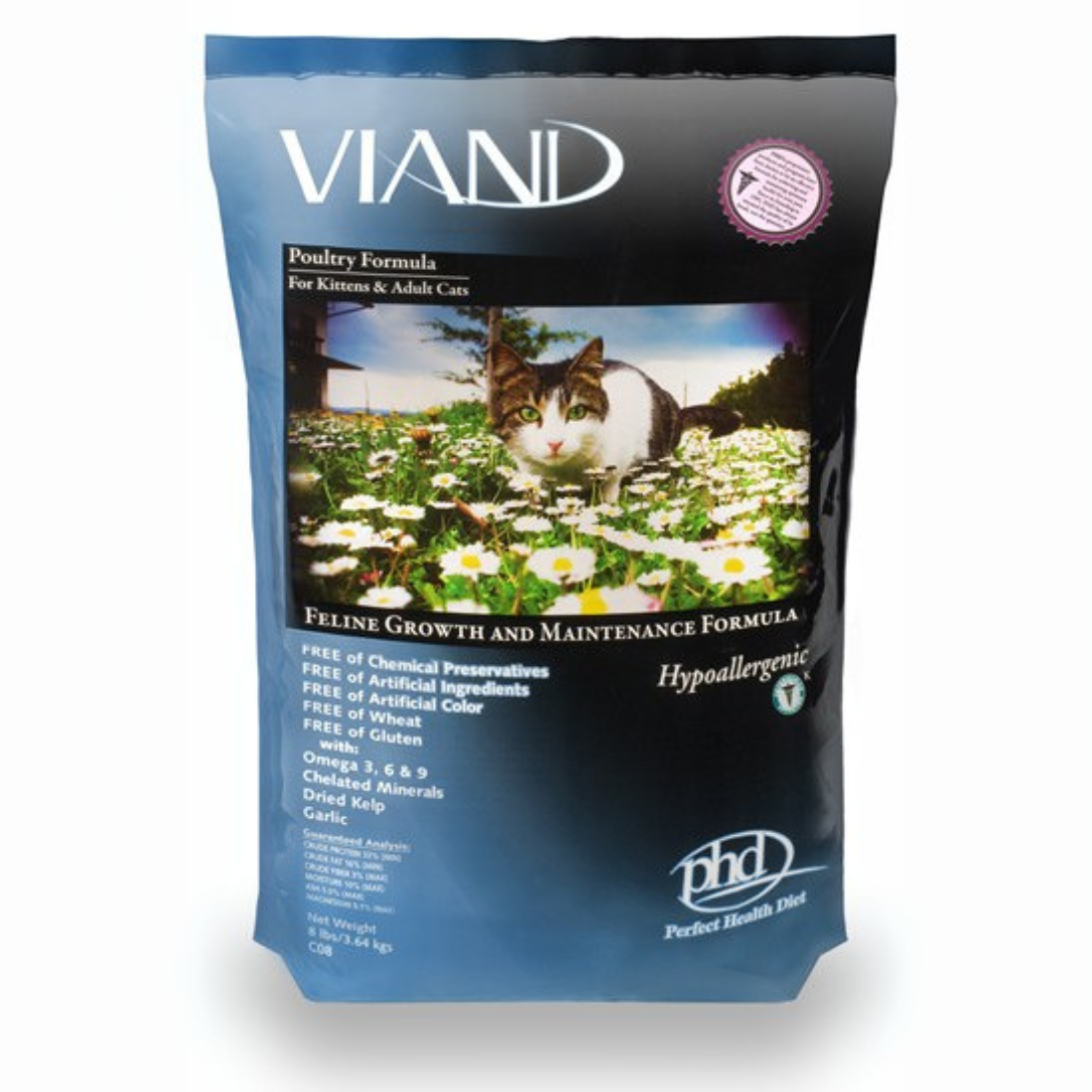
A strong formula should also avoid ingredients that do not serve your cat well. At ViandPet, the approach is straightforward: natural, nutrient-dense nutrition without wheat, gluten, or corn, with an emphasis on digestibility and reduced feeding volumes. A cat should not need a large amount of food just to meet daily nutritional needs.
That said, a short ingredient list is not the only sign of quality, and a long one is not automatically poor. Look at the whole formula: named proteins, appropriate fat, sensible carbohydrate sources, and complete nutritional fortification. A recipe should earn its place in the bowl by supporting your furry friend's daily wellness, not by making the front of the bag sound fashionable.
Protein, Fat, and Fiber Need Balance
Protein supports lean muscle, which is especially valuable for indoor cats that may become less active with age. Adequate dietary fat supports energy, skin health, and coat condition, but high-calorie foods still require careful portions. For cats prone to weight gain, the answer is usually not an overly restrictive diet. It is a protein-forward food combined with measured feeding and daily play.
Fiber can help support regular stool quality and may help some cats feel satisfied between meals. Too much fiber, however, can crowd out the animal-based nutrition cats need. If your cat produces unusually large stools, seems constantly hungry, or loses weight despite eating well, discuss the diet and symptoms with your veterinarian.
Indoor Living Changes the Feeding Plan
A good gluten-free recipe is only half the plan. Indoor cats benefit from feeding habits that account for their environment. Free-feeding can work for a few naturally self-regulating cats, but it often makes weight management harder. Scheduled, measured meals give you a clearer view of appetite changes and help prevent casual grazing from becoming excess calorie intake.
Use the feeding guide on the food as a starting point, not a permanent rule. Your cat's ideal portion depends on body size, age, activity level, neuter status, health history, and whether they also eat treats or wet food. Watch their body condition over time. You should be able to feel the ribs with a light touch, see a waist from above, and notice a gentle abdominal tuck from the side.
Treats count, too. A few extras may seem harmless, but calorie-dense treats can quickly offset a carefully measured dinner. Keep treats modest, choose ingredient-conscious options, and use affection, brushing, or a quick play session as rewards when food is not necessary.
Fresh water deserves equal attention. Cats can have a naturally low thirst drive, particularly when dry food makes up most of the diet. Clean water bowls in more than one location, a cat fountain if your cat enjoys one, and moisture-rich meals when appropriate can all encourage better daily hydration.
How to Change Foods Without Upsetting Digestion
Even an excellent food can cause digestive upset when introduced too quickly. Transition gradually over seven to 10 days. Begin with mostly current food and a small amount of the new formula. Slowly increase the new food every few days while watching stool quality, appetite, energy, and any signs of itching or vomiting.
If your cat has a history of a sensitive stomach, take longer. There is no prize for making the switch quickly. A 10- to 14-day transition may be more comfortable, particularly for older cats or cats that have been eating the same recipe for years.
During the transition, keep other variables steady. Avoid introducing new treats, table foods, supplements, and multiple new protein sources at the same time. If symptoms improve, that clarity helps you understand what is working. If symptoms worsen, you and your veterinarian will have a more useful record of what changed.
Know When Food Is Not the Whole Answer
A food change can support wellness, but it should not replace veterinary care. Contact your veterinarian promptly if your cat has repeated vomiting, diarrhea lasting more than a day, blood in the stool, trouble breathing, facial swelling, significant skin sores, or a sudden change in eating or drinking habits.
For suspected food allergies, your veterinarian may recommend a structured elimination diet rather than switching among several retail foods. This process takes patience, but it is the most reliable way to identify a true dietary trigger. Randomly rotating foods can make the picture harder to read.
The best feeding choice is one your cat digests comfortably, maintains a healthy weight on, and willingly eats day after day. Choose food with purposeful ingredients, measure it with care, and let your cat's energy, coat, litter box habits, and body condition guide the next adjustment.