
· By Admin
Can Puppies Eat Adult Food? The Right Time to Switch
A puppy who steals a few kibbles from an adult dog’s bowl is unlikely to be harmed. But can puppies eat adult food as their regular, everyday diet? For most growing dogs, the answer is no. Puppyhood is a period of rapid development, and the food in the bowl needs to support far more than a full belly.
The difference is not marketing language or a matter of feeding a smaller portion of the same recipe. A properly formulated puppy food provides the concentrated energy and carefully balanced nutrients needed to build bone, muscle, organs, teeth, and a healthy immune system. Feeding adult food too early can make it harder to meet those needs, especially during the first year of life.
Why puppies need food made for growth
Puppies burn through energy quickly. They are growing, playing, learning, and building tissue every day. Compared with a maintenance diet for a healthy adult dog, a puppy diet generally delivers more calories, higher levels of key nutrients, and the appropriate balance of minerals for development.
Protein matters because it supplies amino acids for growing muscles and body tissues. Healthy fats provide energy and help support the brain, nervous system, skin, and coat. Essential fatty acids, including DHA, are particularly valuable during early development.
Mineral balance is just as critical. Calcium and phosphorus work together to support skeletal growth, but more is not always better. An imbalanced diet can be particularly concerning for large- and giant-breed puppies, whose bones and joints develop over a longer period. They need controlled growth, not accelerated growth fueled by excess calories or poorly balanced minerals.
A quality food labeled for growth or for all life stages has been formulated to meet the nutritional demands of puppies. Look for a clear nutritional adequacy statement indicating the food is complete and balanced for growth, including the growth of large-size dogs when that applies to your puppy.
Can puppies eat adult food if it is only once in a while?
Yes, an occasional bite of adult food is usually not an emergency for a healthy puppy. If your puppy raids another dog’s bowl or eats a small amount while visiting family, simply return to their normal puppy food at the next meal. Watch for mild digestive upset if the food is unfamiliar, but there is generally no need to panic.
The concern begins when adult food replaces puppy food day after day. Adult maintenance diets are designed to help mature dogs maintain their body condition. They may not provide the calorie density or nutrient profile a puppy needs to grow well.
This is also why feeding the same food to every dog in a multi-dog household can be less convenient than it sounds. The adult dog may gain unnecessary weight on puppy food, while the puppy may miss essential growth nutrition on adult food. Separate feeding areas, scheduled meals, or picking bowls up after mealtime can make the right choice easier for each furry friend.
What can happen when a puppy eats adult food long-term?
A puppy fed adult food for several meals is not automatically in trouble. The effects of an unsuitable diet tend to develop over time, and they are not always obvious right away. A puppy may still appear energetic and eager to eat while falling short of the nutrition needed for consistent, healthy growth.
Possible concerns include slower-than-ideal growth, difficulty maintaining a healthy body condition, dull coat quality, or digestive inconsistency. In large-breed puppies, inappropriate calorie or mineral intake may put unnecessary pressure on developing bones and joints.
Food quality matters here, too. A highly digestible, nutrient-dense formula gives a growing puppy more usable nutrition in an appropriate portion. That can mean less filler in the bowl and less waste to clean up outside. The goal is not to feed the biggest meal possible. It is to feed a balanced meal your puppy can digest and use.
When should puppies switch to adult food?
The right time depends mostly on your dog’s expected adult size and growth pattern. Small breeds often reach physical maturity sooner than large breeds, while giant breeds may continue developing for well over a year.
Many small and medium dogs are ready to transition around 10 to 12 months of age. Larger breeds often stay on a puppy or large-breed growth formula until around 12 to 18 months. Giant breeds may need a growth diet for 18 to 24 months. These are useful ranges, not rigid deadlines.
Your veterinarian can help you choose the timing based on your dog’s breed, current weight, body condition, activity level, and health history. A puppy who has been spayed or neutered, has a sensitive stomach, or is prone to orthopedic concerns may need more individualized guidance.
Do not use a puppy’s first birthday as the only signal to switch. Instead, look at the whole dog. Has growth slowed? Is your puppy nearing their expected adult size? Are they maintaining a healthy waistline and good energy on their current portions? Those answers are more useful than the calendar alone.
How to transition from puppy food to adult food
Once your dog is ready, make the change gradually. An abrupt switch can upset even a healthy digestive system, particularly when the old and new foods have different protein sources, fiber levels, or fat content.
For most dogs, allow seven to 10 days. Start by mixing about 25% adult food with 75% puppy food for several days. Move to an even split, then 75% adult food and 25% puppy food, before feeding the new adult recipe alone. If stools become soft, your dog seems unusually gassy, or appetite changes, slow the transition rather than pushing ahead.
Portion size deserves attention during this switch. Adult food may have a different calorie content per cup than the puppy food you were using. Measure meals rather than estimating, then adjust based on body condition. You should be able to feel your dog’s ribs under a light covering of tissue, and they should have a visible waist when viewed from above.
Treats count, especially during training. Puppies often receive many small rewards throughout the day, and those calories can add up quickly. Choose simple, high-quality treats and keep them modest in relation to the daily food allowance.
Choosing a better adult food when the time comes
A move to adult food should not mean settling for a lower-quality diet. Read the label with the same care you used when choosing puppy food. Look for an identifiable animal protein, a complete-and-balanced nutritional statement for adult maintenance, and ingredients that fit your dog’s individual sensitivities and digestion.
Dogs with itchy skin, recurring ear issues, loose stools, or excessive scratching may benefit from a closer look at their diet with veterinary guidance. For many health-conscious owners, avoiding unnecessary wheat, corn, gluten, and vague ingredient sources is a practical part of that process. A naturally preserved, nutrient-dense formula can support steady digestion, coat condition, and everyday vitality without oversized portions.
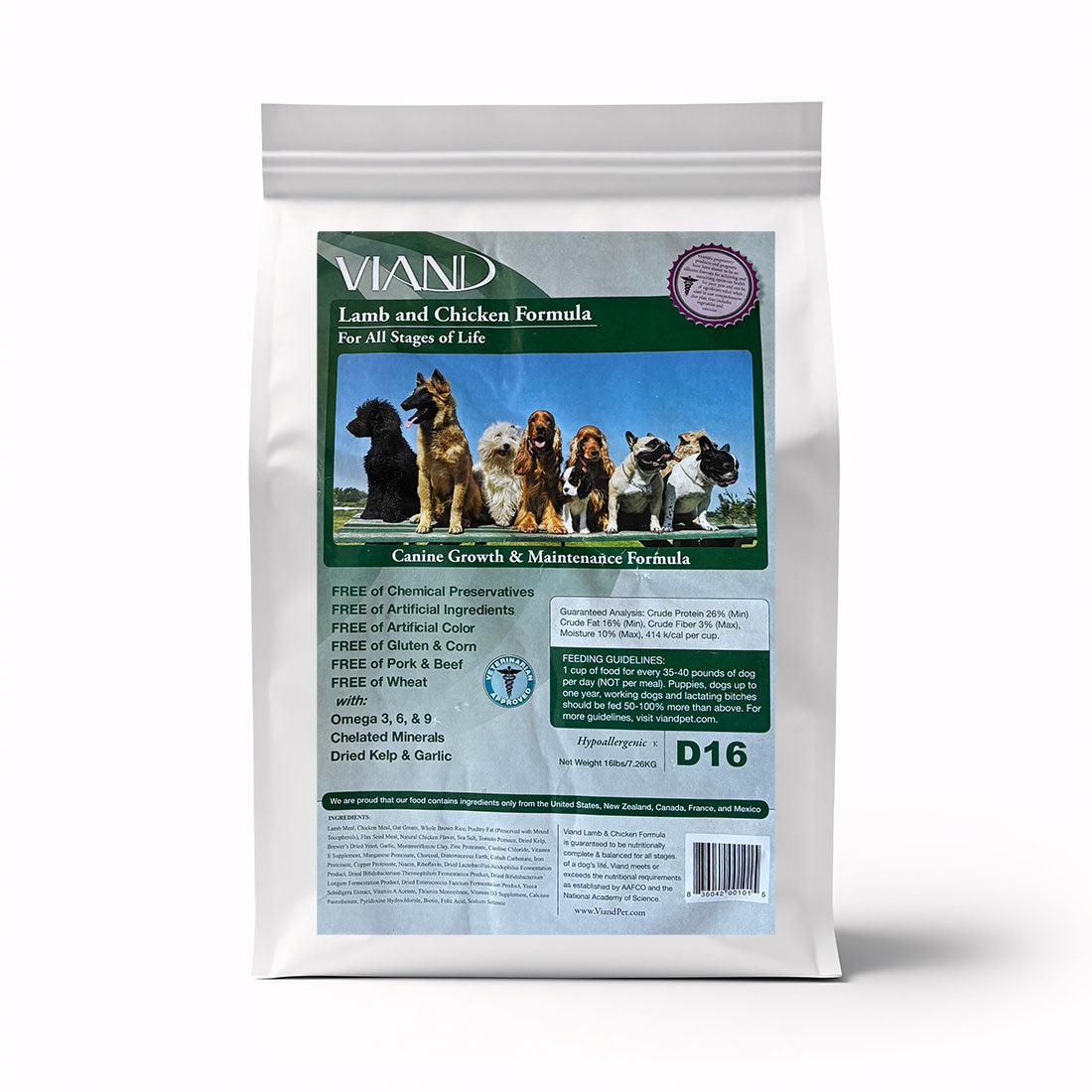
At ViandPet, we believe feeding well is one of the most practical ways to care for a dog through every life stage. The right formula, the right portion, and a consistent routine give you a stronger foundation than chasing quick fixes later.
A final note for puppy parents
Your puppy will not stay small for long, but their nutrition during this short growth window can influence the years ahead. Keep puppy food in the bowl until your dog is truly ready for adult maintenance, make the transition gradually, and let your dog’s body condition guide the portion. That steady, thoughtful approach is one of the kindest things you can do for a growing companion.