

· By Admin
Cat Food Reviews: Look Beyond the Stars
A five-star rating can tell you a cat happily cleaned the bowl. It cannot tell you whether that food supported comfortable digestion, a healthy coat, lean body condition, or steady energy over the following months. The most useful cat food reviews look past enthusiasm and focus on the changes an owner can actually observe in their feline companion.
For a cat parent trying to choose a better food, reviews are valuable evidence, but they are not the whole case. Cats have individual preferences, sensitivities, medical needs, and feeding histories. Read reviews as one part of a practical decision that starts with the formula itself and ends with how your own cat responds.
What cat food reviews can tell you
Real customer feedback is especially helpful because it captures what happens after the package arrives. Ingredient panels and guaranteed analyses matter, but they do not show whether a finicky cat accepts a new kibble, whether stools become more consistent, or whether a household finds the feeding routine manageable.
Look for reviews that give the food enough time. A comment posted after the first meal may be useful for palatability, but it says little about long-term results. Reviews describing several weeks or months of feeding can offer more meaningful observations about digestion, coat condition, shedding, litter box odor, energy, and the amount of food needed to maintain a healthy weight.
Specificity matters. “My cat loves it” is positive, but “my older cat maintained her weight on a smaller daily portion and stopped leaving food behind” gives you something to evaluate. The strongest reviews identify the cat’s age, prior concern, transition period, and outcome without claiming that one food will work the same way for every cat.
Start with the food, not the star rating
A polished review section should never replace reading the label. Cats are obligate carnivores, meaning animal-based nutrition should be central to their diet. A complete and balanced cat food formulated for the appropriate life stage provides the nutritional baseline. From there, ingredient quality, digestibility, calorie density, and the cat’s individual tolerance shape whether a formula is a good fit.
A practical label review starts with the protein sources. Look for clearly identified animal ingredients rather than vague descriptions. Consider whether the formula avoids ingredients that have caused problems for your cat in the past. For many health-conscious households, a wheat-free, gluten-free, and corn-free recipe can be a sensible choice when they want a more focused ingredient approach, particularly for a cat with known food sensitivities.
Do not judge a food solely by one ingredient or one marketing phrase. “Natural” does not automatically mean nutritionally complete, and a long ingredient list is not automatically better. What matters is how the formula comes together: balanced nutrition, digestible ingredients, appropriate calories, and a feeding plan your cat can maintain.
Read for patterns, not promises
When reviewing customer comments, patterns are more useful than dramatic claims. If many owners independently mention firmer stools, less vomiting after the transition, improved coat softness, or smaller feeding portions, that pattern is worth noting. It suggests a consistent experience, though it is still not a guarantee for your cat.
Be equally attentive to negative reviews. Ask what the complaint actually means. A cat refusing a food may reflect a flavor preference, an abrupt transition, a change in texture, or an individual sensitivity. A complaint about price may deserve a closer look at feeding volume. Nutrient-dense foods often call for smaller portions than less concentrated formulas, so the meaningful comparison is cost per day, not just cost per bag.
Reviews about digestive upset require context. Any diet change can temporarily affect stool quality or appetite, especially when a new food is introduced too quickly. A gradual transition over about seven to 10 days, mixing increasing amounts of the new food with the old, gives the digestive system time to adjust. If a cat has ongoing vomiting, diarrhea, weight loss, or reduced appetite, that is a reason to contact a veterinarian rather than simply trying one new food after another.
Match the review to your cat’s needs
The review from a young, active indoor cat may not be relevant to a senior who has become selective with food. Before giving weight to a comment, compare the reviewer’s situation with your own. Life stage, activity level, body condition, medical history, and household routine all matter.
For kittens, prioritize a complete formula intended to support growth. Their nutritional needs are not the same as those of adult cats, and smaller meals may suit their developing digestive systems. For adult cats, focus on maintaining a lean, stable body condition with a portion that matches their lifestyle. For seniors, appetite, dental comfort, mobility, and weight maintenance can become bigger considerations.
Cats with recurring skin issues, soft stools, or suspected sensitivities need an especially careful approach. Reviews can help you identify formulas that other owners have used successfully, but they cannot diagnose the source of a problem. Food sensitivities are only one possibility. Parasites, dental pain, stress, chronic illness, and environmental factors can also affect a cat’s coat, stools, or appetite.
The feeding amount is part of the review
A review that says, “I feed less and my cat is doing well,” deserves attention when it is paired with a nutrient-dense formula and stable body condition. Cats do not benefit from larger bowls simply because a food seems less expensive by weight. Overfeeding can contribute to unnecessary weight gain, while underfeeding can leave a cat short on energy and essential nutrients.
Use feeding guidelines as a starting point, then watch the cat in front of you. Check body condition regularly: you should be able to feel the ribs with a light covering, see a defined waist from above, and notice a gentle abdominal tuck from the side. Adjust portions gradually when needed, and remember that treats, toppers, and shared household snacks count toward daily calories.
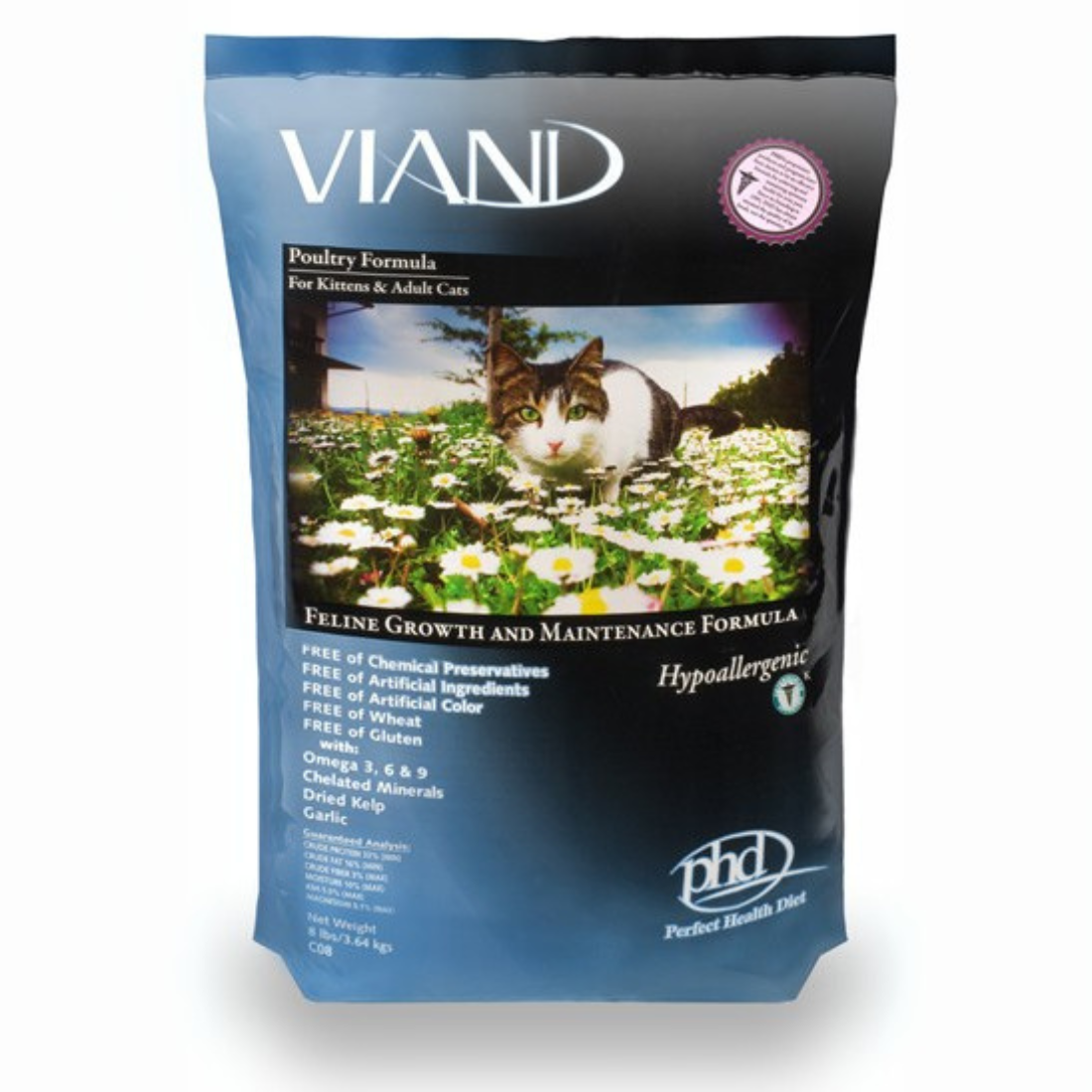
This is where a formula’s digestibility can make a practical difference. When a cat receives concentrated nutrition in an appropriate portion and digests it well, owners may see less waste, more predictable litter box habits, and a simpler feeding routine. That is the thinking behind ViandPet’s Feed Less. Save. approach: value is measured by what a cat needs to thrive, not by how much must be poured into the bowl.
Questions worth asking before you buy
Before relying on a review, ask whether the food is complete and balanced for your cat’s life stage, whether the ingredient approach fits your cat’s history, and whether the reviewer gave the transition enough time. Also consider whether the result described is observable and relevant to your goals.
A useful review should help answer practical questions. Did the cat eat the food consistently? Did the owner follow a gradual transition? Was the feeding amount adjusted based on body condition? Did any improvement hold over time? These details are more valuable than a photo of an empty bowl or a vague claim that a product “changed everything.”
It also helps to notice what reviews cannot answer. They cannot replace veterinary guidance for cats with diagnosed kidney disease, diabetes, urinary concerns, pancreatitis, or other conditions requiring a tailored nutritional plan. They also cannot establish whether a food caused or cured a health issue. Good nutrition supports wellness, but it works best alongside attentive care and professional medical advice when a cat is unwell.
Give the new food a fair trial
Once you have selected a food, keep the trial simple. Transition gradually, measure each meal, and avoid introducing several new treats or supplements at the same time. That makes it easier to understand what is affecting your cat.
Over the next few weeks, watch appetite, stool consistency, litter box frequency, coat appearance, energy, and body weight. Keep brief notes if your cat has a history of sensitivities. Those observations will be more useful than memory, and they will help you make an informed adjustment if the food is not the right match.
The best review is ultimately the one your own cat writes through steady appetite, comfortable digestion, a healthy body condition, and the quiet confidence of feeling good every day. Choose a thoughtfully made complete diet, feed the right portion, and let consistent results guide the bowl.