

· By Admin
Do Dogs Need Supplements? A Practical Answer
A shiny coat, steady energy, firm stools, and a healthy appetite are often better clues than a crowded supplement shelf. So, do dogs need supplements? Some do, but many healthy dogs eating the right amount of a complete, balanced, highly digestible diet do not need extra vitamins simply because they are available.
The practical goal is not to give your dog more nutrition. It is to provide the nutrition they need, in forms their body can use, without creating unnecessary excesses. A targeted supplement can be useful when it addresses a real need, such as joint comfort in an aging dog or digestive support during a stressful transition. It should support a sound feeding program, not compensate for a poor one.
Do Dogs Need Supplements When Their Food Is Complete?
A food formulated as complete and balanced for your dog's life stage is designed to supply essential vitamins, minerals, protein, fats, and other nutrients in appropriate proportions. For a healthy adult dog, that foundation may be all that is required.
This is why food quality and digestibility come first. A dog can eat a large volume of a food and still struggle if it contains ingredients that do not agree with them or nutrients they cannot use efficiently. A nutrient-dense, meat-conscious diet that produces consistent stools, maintains lean body condition, and supports healthy skin and coat is doing meaningful work every day.
Adding a broad multivitamin on top of an already balanced diet is not automatically beneficial. Certain nutrients can become excessive when products are stacked, especially when a dog also receives fortified treats, toppers, or human foods. Fat-soluble vitamins such as A and D are particularly worth treating with care because the body stores them.
The answer changes when your dog has an identified nutritional gap, a specific life-stage need, or a health concern being managed with your veterinarian. In those cases, the right supplement can be a sensible part of proactive care.
Start With Your Dog, Not the Label
Before choosing a supplement, look at the whole dog and the whole feeding routine. Age, size, activity level, food sensitivities, medications, medical history, and diet all matter. A lively young dog eating a complete diet has different needs than a large-breed senior slowing down on stairs.
Pay attention to patterns rather than one off day. Occasional soft stool after a new treat is not proof that a dog needs a digestive product. A coat that looks dull during a dry winter may be related to grooming, bathing habits, calories, or essential fatty acids. Persistent changes deserve a closer look.
Signs that warrant a conversation with your veterinarian include ongoing digestive upset, unexplained weight loss, itching or recurrent ear issues, reduced mobility, marked changes in thirst or appetite, and low energy. Supplements are not a substitute for diagnosis. They can also affect how medications work or make it harder to interpret a dog's symptoms if several changes are made at once.
When Targeted Support May Help
The best supplements have a clear purpose. Instead of trying a little of everything, match the formula to a need and give it enough time to assess whether it is helping.
Digestive support
A dog may benefit from digestive support during diet transitions, travel, boarding, antibiotic use, or periods of occasional digestive sensitivity. Products containing well-selected probiotics, prebiotics, or digestive enzymes may help support a healthier intestinal environment.
Start slowly, particularly with sensitive dogs. Even a quality supplement can cause temporary gas or loose stool if introduced too quickly. Keep the rest of the diet consistent while you evaluate the change.
Skin and coat support
Dry skin, a lackluster coat, or seasonal shedding can sometimes respond to targeted essential fatty acids, including omega-3 fatty acids. These nutrients also support normal inflammatory balance throughout the body.
Skin concerns are rarely simple, however. Fleas, environmental allergies, food reactions, infections, and endocrine conditions can all affect the coat and skin. If itching, redness, odor, or ear trouble keeps returning, seek veterinary guidance rather than assuming oil alone will solve the problem.
Joint and mobility support
Senior dogs, large breeds, athletic dogs, and dogs with stiffness may benefit from ingredients selected for joint structure and normal mobility. Glucosamine, chondroitin, green-lipped mussel, omega-3s, and other joint-focused ingredients are commonly used for this purpose.
Results are usually gradual, not overnight. Keep your dog at a healthy body weight, maintain appropriate daily movement, and make home adjustments when needed. A supplement can be part of the plan, but carrying extra weight places more strain on every step.
Life-stage and special dietary needs
Puppies, pregnant or nursing dogs, seniors, and dogs eating home-prepared diets deserve extra attention. Puppies should not receive added calcium or minerals without professional direction, especially large-breed puppies, because nutritional balance during growth is precise. Homemade diets can also require carefully formulated supplementation to be complete.
Senior dogs do not automatically need a multivitamin just because of their age. They may, however, benefit from targeted support based on mobility, digestion, cognitive changes, or nutrient absorption. The right choice depends on the individual dog, not the number on the birthday cake.
How to Choose a Dog Supplement Wisely
Look for a product that clearly states its intended use, active ingredients, and feeding directions for your dog's weight. Vague promises to cure every condition are a warning sign. So are products that hide behind a long list of trendy ingredients without telling you how much of each one is included.
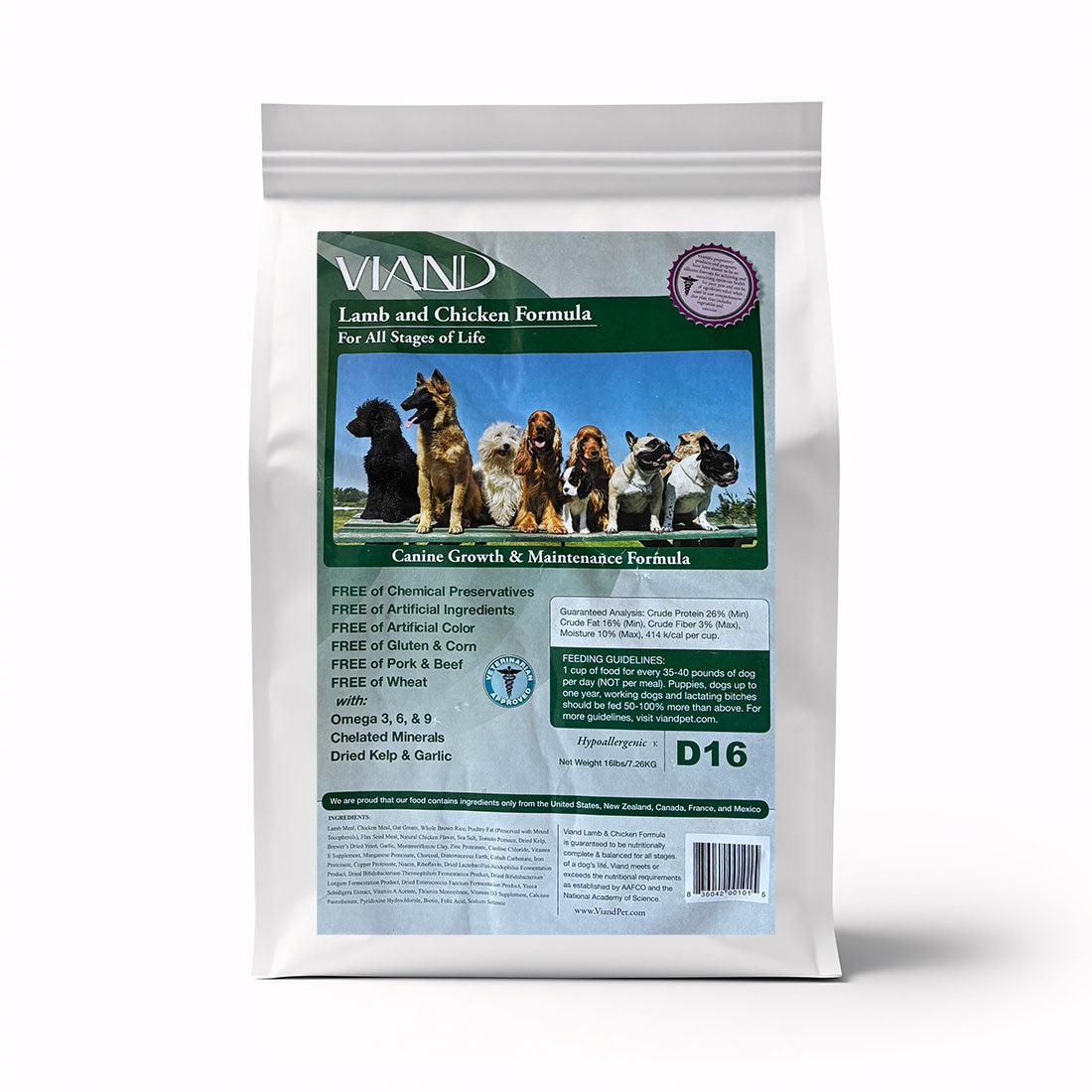
Quality matters because supplements are concentrated products. Choose a company that takes formulation seriously, uses ingredients appropriate for dogs, and provides responsive support when you have a feeding question. ViandPet's approach is rooted in the same principle: build wellness on quality nutrition first, then use targeted supplements when they serve a clear purpose.
Avoid sharing human supplements with your furry friend unless your veterinarian specifically approves it. Human products may contain unsafe doses, flavorings, sweeteners, or ingredients that are not suitable for dogs. Xylitol, for example, is dangerous for dogs and can appear in chewable or gummy products.
It is also wise to introduce only one new supplement at a time. Record the start date, amount fed, stool quality, appetite, energy, coat condition, and any changes you are watching for. This simple habit makes it easier to see whether a product is actually earning its place in your dog's routine.
Feed the Foundation First
A supplement cannot outwork a diet that does not suit your dog. Begin with a complete food made with quality ingredients, feed the right portion for your dog's condition and activity, and limit extras that quietly add calories or unbalance the diet. With nutrient-dense food, many dogs can thrive on less volume while receiving more usable nourishment in each bowl.
Then be specific. If your dog is doing well, there is no prize for adding another powder, chew, or oil. If there is a genuine need, choose targeted support, introduce it carefully, and give your veterinarian a clear picture of everything your dog receives. Thoughtful nutrition is not about filling the cabinet. It is about giving your dog a feeding plan that helps them feel good for the miles ahead.