


· By Admin
Dog Appetite Changes: When to Call Your Vet
A dog who usually races to the bowl but suddenly walks away is giving you useful information. So is the dog who begins hovering around the kitchen, acting hungry soon after a normal meal. Dog appetite changes are easy to dismiss as picky behavior, especially when a dog otherwise seems fine. But appetite is closely tied to digestion, comfort, routine, and overall health, which makes a change worth noticing early.
One skipped meal in a healthy adult dog may not be an emergency. A pattern of reduced interest in food, however, deserves attention. The same is true when increased hunger appears alongside weight loss, thirst, changes in stool, or a shift in energy. Your observations give your veterinarian valuable context and help you make thoughtful feeding decisions at home.
What counts as a meaningful appetite change?
Appetite is not simply the amount of food left in the bowl. It includes enthusiasm for meals, eating speed, willingness to accept treats, and whether your dog is able to chew and swallow comfortably. A dog that will eat soft food but refuses kibble, for example, may have a different concern than a dog refusing all food.
Meaningful changes often look like a dog eating only part of a usual meal for several days, needing repeated coaxing to eat, suddenly begging between meals, or losing interest in favorite treats. Measure what you offer and what remains rather than relying on a quick glance. This is especially helpful in multi-dog homes, where another pet may be finishing the food.
A dog’s ideal intake also changes over time. Puppies, pregnant or nursing dogs, highly active dogs, and dogs recovering from illness may need more calories. Senior dogs and less active adults may need fewer. The goal is not to make every dog eat the same volume, but to provide the right amount of complete nutrition for that individual dog.
Common reasons for dog appetite changes
A missed meal can follow a disrupted schedule, travel, boarding, visitors, hot weather, or a stressful event. Some dogs are sensitive to household changes and return to normal once their routine settles. Exercise can influence intake, too. A dog who had an unusually quiet day may simply not need the same energy intake as one who spent hours hiking.
Food-related causes are also common. A new formula, a fast switch from one food to another, stale food, too many rich treats, or regular table scraps can all change how a dog approaches meals. Dogs can learn to hold out for something more exciting when a bowl is repeatedly replaced with toppers or human food. That does not mean every reluctant eater is being stubborn, but it is a reason to look closely at the feeding pattern.
Digestive discomfort can lower appetite. Watch for vomiting, loose stool, constipation, excessive gas, lip licking, grass eating, or a hunched posture. Food sensitivities may contribute to digestive upset or itching in some dogs, although those signs can have many causes. A highly digestible, complete diet with clearly identified ingredients can make it easier to monitor how your dog responds.
Dental and oral discomfort matter as well. Bad breath, drooling, chewing on one side, dropping food, pawing at the mouth, or avoiding crunchy food can point to a problem that needs a veterinary exam. Do not assume a dog is merely tired of dry food when chewing appears difficult.
Some appetite changes are linked to medications, pain, parasites, metabolic conditions, organ disease, or other illnesses. Increased appetite is not automatically good news. A dog who seems ravenous but is losing weight, drinking more, urinating more, or acting restless should be evaluated promptly.
When reduced appetite needs veterinary care
The urgency depends on your dog’s age, size, medical history, and other symptoms. Puppies, toy breeds, diabetic dogs, dogs with chronic conditions, and dogs taking certain medications can become unwell faster when they do not eat. When in doubt, call your veterinarian rather than waiting for a pattern to become severe.
Seek veterinary guidance promptly if your dog refuses food for more than 24 hours, or sooner if your veterinarian has given you different instructions. Call right away if reduced appetite comes with repeated vomiting, diarrhea, a swollen or painful abdomen, trouble breathing, pale gums, weakness, collapse, suspected toxin exposure, or an inability to keep water down.
A same-day call is also wise for a dog that seems painful, lethargic, disoriented, feverish, or noticeably dehydrated. Check hydration by looking for dry or tacky gums, but do not rely on one home test to rule out a problem. A professional exam is the safest next step when your dog is clearly not himself.
Start with a simple home record
Before making multiple food changes, write down what you see for a day or two if your dog is otherwise bright, hydrated, and comfortable. Record meal times, the amount offered and eaten, treats, water intake, stool quality, vomiting, activity, medications, and unusual events. Take a photo of the food label and note any recent change in recipe, bag, storage, or portion size.
This record helps separate a brief routine disruption from a sustained problem. It also prevents a common mistake: responding to one light meal by adding several new foods, treats, and supplements at once. If symptoms continue, that approach makes it harder to identify what is helping and what may be upsetting digestion.
Use feeding habits that support steady intake
Most healthy adult dogs do well with measured meals at consistent times. Leaving food down all day can make it difficult to notice declining appetite and may encourage grazing. Meal feeding gives you a clearer picture of what your dog actually consumes.
Choose a complete and balanced food appropriate for your dog’s life stage and feed the recommended starting portion, then adjust based on body condition, activity, and your veterinarian’s guidance. Nutrient-dense foods can require smaller portions than lower-quality, filler-heavy foods. This is why comparing cup for cup can be misleading. What matters is whether your dog maintains a healthy body condition, regular digestion, and steady energy on the amount fed.
Keep treats modest and account for them in the daily calorie picture. Rich chews, frequent training rewards, and bites from the table can reduce interest in meals while quietly adding calories. If you use a supplement, introduce it thoughtfully and follow the label directions. Supplements can support specific wellness goals, but they do not replace a complete diet or veterinary care for a dog who is ill.
When changing foods, transition gradually over about seven to 10 days unless your veterinarian recommends otherwise. Mix increasing amounts of the new food with the old food so your dog’s digestive system has time to adapt. For dogs with a history of sensitivities, a slower transition may be the better choice.
Avoid turning every meal into a negotiation
It is natural to worry when your furry friend hesitates at the bowl. Still, repeatedly hand-feeding, offering many alternatives, or adding high-value extras can teach a healthy dog to wait for an upgrade. If your dog has been checked by a veterinarian and has no medical reason for poor intake, offer measured meals on schedule, allow a reasonable eating window, and pick up what remains.
Make food appealing through freshness rather than constant novelty. Store dry food in its original bag inside an airtight container, keep it in a cool, dry place, and buy a bag size your household can use while it is fresh. Clean bowls regularly. These small details support palatability and make feeding observations more reliable.
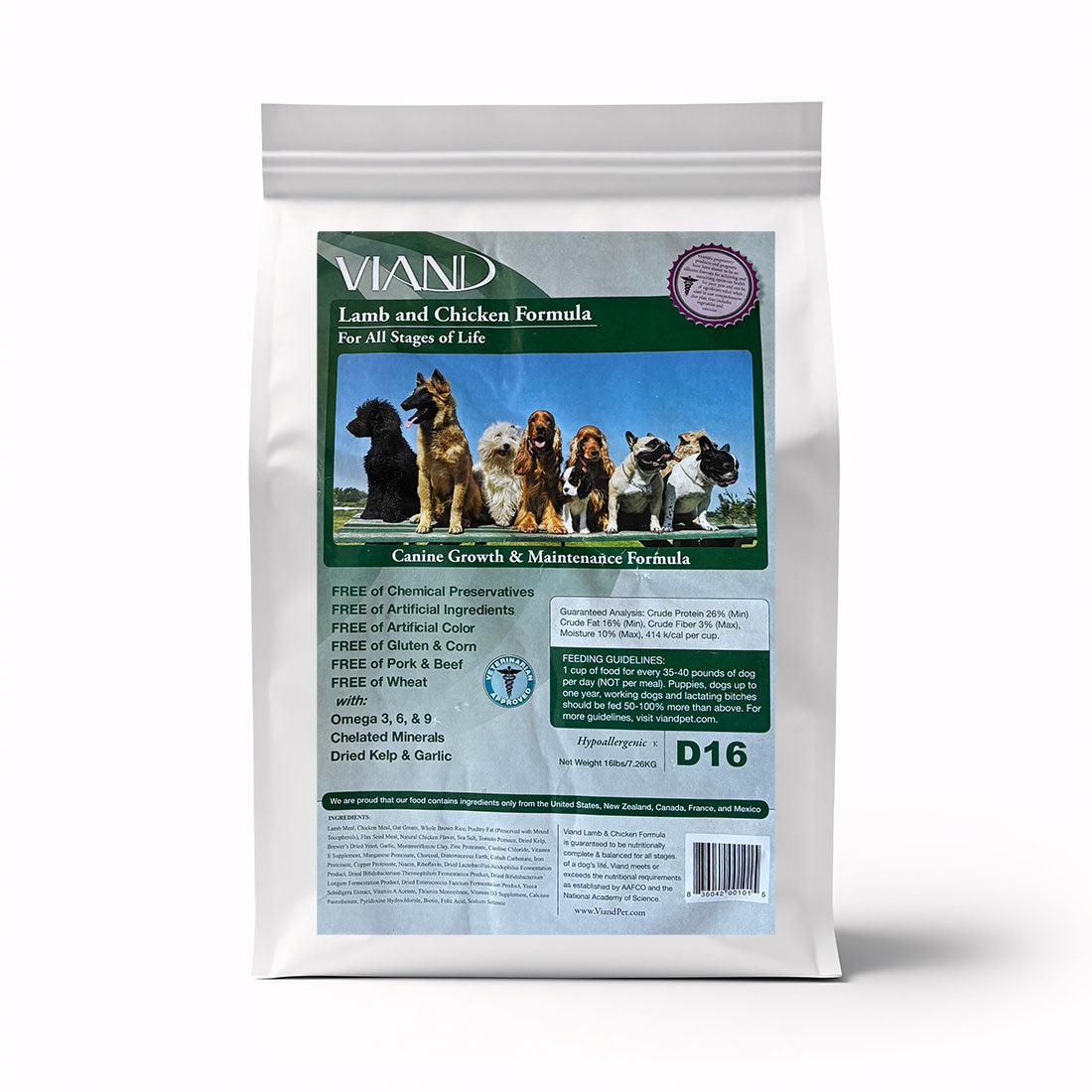
A consistent, meat-conscious diet made with digestible ingredients gives you a dependable baseline. At ViandPet, that practical approach is central to feeding well: provide complete nutrition, measure portions, watch the dog in front of you, and make changes for a clear reason.
Your dog does not need you to panic over every unfinished meal. He does need you to notice what is normal for him. A calm record of his appetite, behavior, digestion, and daily routine can turn a vague concern into a useful next conversation with your veterinarian.