

· By Admin
Choosing Natural Dog Treats Without Corn
A treat can look wholesome on the front of the package and still add ingredients your dog does not need. For owners seeking natural dog treats without corn, the goal is not simply finding a bag that says “corn-free.” It is choosing a reward that fits your dog's digestion, daily diet, calorie needs, and individual sensitivities.
Corn is not automatically harmful for every dog. Many dogs digest properly cooked corn ingredients without trouble. But for dogs with recurring itching, loose stool, excess gas, ear irritation, or a history of food sensitivities, a simpler treat can make it easier to manage the overall diet. When every bite counts, ingredient clarity matters.
Why Choose Natural Dog Treats Without Corn?
Corn is commonly used in pet foods and treats as a source of carbohydrate, texture, or binding. That does not make it a poor ingredient by definition. The concern is usually practical: when a dog is eating several foods, flavored medications, table scraps, chews, and training rewards, extra ingredients can make it difficult to identify what agrees with them.
A corn-free treat may be a sensible choice when your dog is already eating a corn-free diet, has been placed on a simplified feeding plan, or has a veterinarian-supported elimination diet underway. Consistency is especially helpful for dogs whose skin, coat, or digestion tends to change when foods change.
Natural should mean more than attractive packaging. Look for treats made with recognizable, purpose-driven ingredients and without unnecessary artificial colors, artificial flavors, or chemical preservatives. A short ingredient list is often useful, but it is not the only sign of quality. The ingredients still need to make nutritional sense for your dog.
For example, a single-protein chicken treat may work well for a healthy dog who tolerates chicken. It may be the wrong choice for a dog whose symptoms have appeared after eating poultry. A treat with pumpkin may be useful for some dogs needing gentle fiber, while too many fiber-rich rewards can loosen stool in another dog. Better treats are chosen for the dog in front of you, not the trend on the label.
Read Beyond the “Corn-Free” Claim
The front panel gets your attention. The ingredient statement tells you what you are actually feeding. Ingredients are generally listed by weight before processing, so the first several ingredients offer a practical snapshot of the recipe.
Start by looking for a named animal protein, such as chicken, turkey, beef, or fish, when a meat-forward reward suits your dog. Then look at the supporting ingredients. Whole-food components such as sweet potato, pumpkin, or peas may have a place in treats, but they should not distract from a formula built around low-quality fillers or vague meat descriptions.
Also check for hidden complexity. A treat can be free of corn yet contain several unfamiliar binders, sweeteners, artificial additives, or multiple proteins. That may not cause a problem for every dog. However, if you are trying to narrow down a possible food reaction, a simple recipe gives you a cleaner starting point.
The guaranteed analysis deserves attention, too. Protein and fat levels affect how a treat fits into the rest of the diet. A highly active, lean dog may handle a richer reward differently than a senior dog, a small breed, or a dog working toward a healthier weight. Treat size matters just as much as the analysis. Tiny dogs can take in a surprising number of calories from even a few small treats.
Match the Treat to the Job
Not every reward needs the same nutritional profile. Training treats should be small, easy to chew, and quick to swallow so your dog can stay focused. A large, crunchy biscuit may be enjoyable as an occasional reward, but it is inefficient for repeated practice sessions.
Dehydrated meat treats are often a practical option for owners who want a concentrated, natural reward with a straightforward ingredient panel. Because they can be nutrient-dense, portion control still applies. Break larger pieces into small rewards and let your dog earn several moments of praise without receiving several meals' worth of extra calories.
For dogs with sensitive digestion, choose one new treat at a time and use it consistently for several days before introducing another. Watch the whole dog, not just the bowl. Stool quality, scratching, licking paws, ear debris, appetite, energy, and coat condition can all provide useful feedback. A single loose stool after an exciting day does not prove a food issue, but a repeated pattern is worth discussing with your veterinarian.
If your dog has confirmed allergies, chronic digestive disease, pancreatitis, kidney concerns, or another medical condition, treats should be part of the nutrition conversation. “Natural” does not override a therapeutic feeding plan. In some cases, the best treat is a measured portion of the dog's regular food or a veterinarian-approved option that does not interfere with care.
Keep Treats in Their Proper Place
A well-formulated complete dog food is designed to provide balanced daily nutrition. Treats are extras, even premium ones. As a general rule, treats should account for no more than about 10 percent of your dog's daily calories. For a dog who gains weight easily, needs to lose weight, or receives many training rewards, the practical target may need to be lower.
This is where feeding less can be a smart wellness habit, not a deprivation. If you use treats heavily during training, reduce the meal portion modestly and monitor your dog's body condition over time. You should be able to feel the ribs beneath a light covering of tissue and see a defined waist from above. Your veterinarian can help determine a healthy target for your dog's age, breed, and activity level.
Households with children benefit from a clear treat routine. Keep the bag out of reach, decide how many rewards your dog can have that day, and use a small container to portion them before training or walks. This prevents the all-too-common problem of several family members giving treats without realizing how quickly they add up.
How to Switch to a New Treat
When you bring home a new corn-free reward, resist the urge to give several pieces at once. Start with one small piece, preferably on a day when your dog's routine is otherwise normal. If all goes well, gradually work up to the intended serving over a few days.
Keep the rest of the diet steady while you evaluate it. Changing food, treats, chews, and supplements at the same time makes it nearly impossible to tell what helped or what caused trouble. For dogs with a known history of sensitivities, maintain a simple notebook or phone note with the product name, protein source, amount fed, and any changes you observe.
Storage matters as well. Natural treats may contain fewer preservatives, which can be a positive choice, but it also means owners should follow storage instructions carefully. Seal the package after use, keep it away from heat and moisture, and discard anything with an unusual odor, texture, or signs of spoilage.
A Better Standard for Everyday Rewards
The best natural dog treats without corn are not selected by a single marketing claim. They support the larger feeding plan: a complete, highly digestible diet, sensible portions, and ingredients your dog handles well. For many dogs, that means a simple meat-conscious treat with no corn, wheat, gluten, artificial colors, or unnecessary fillers.
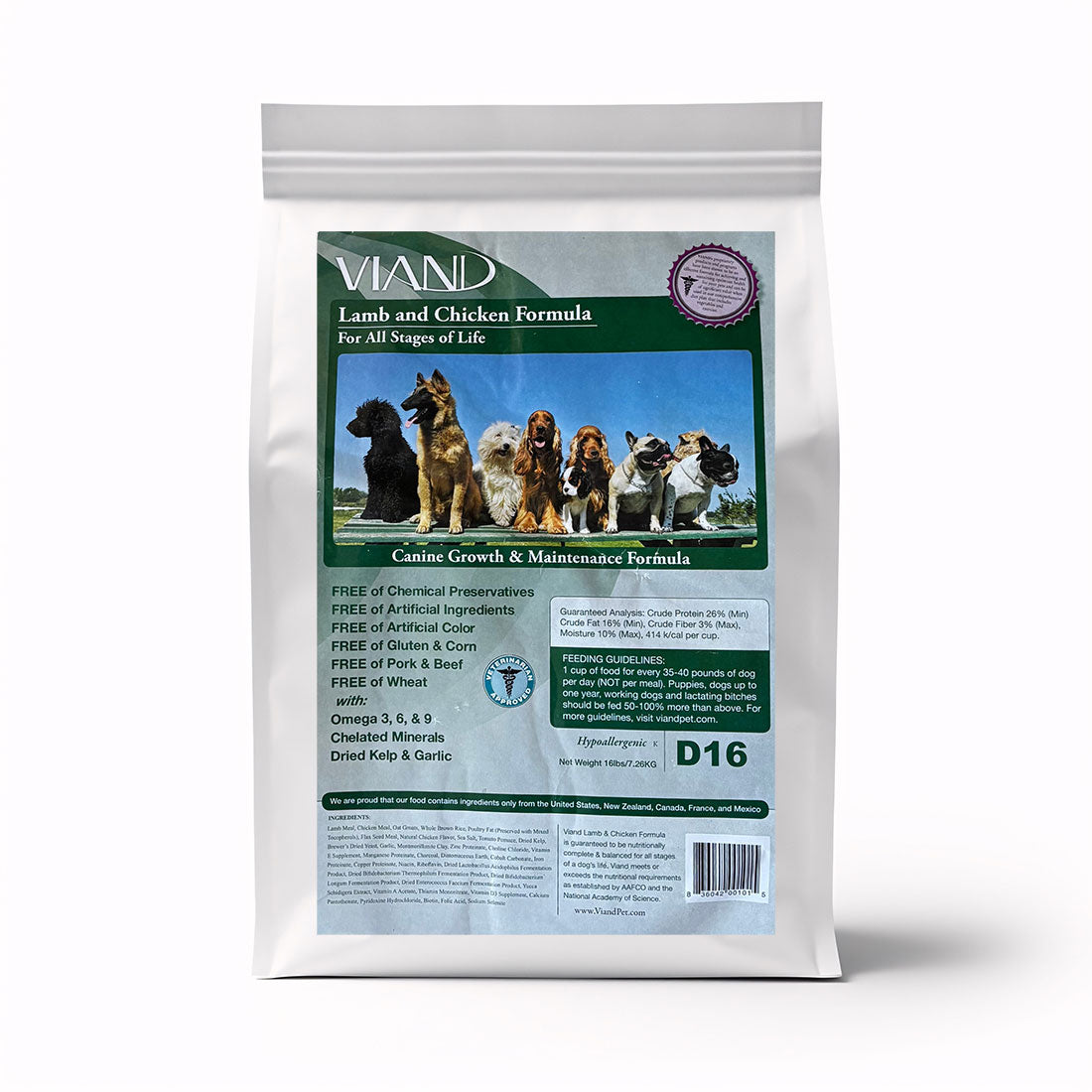
ViandPet has long approached pet nutrition with this larger picture in mind. Quality treats should complement the food bowl, not complicate it. A thoughtful reward can reinforce training, build connection, and give your furry friend something to look forward to without working against healthy digestion or body condition.
Choose the treat that lets you reward generously in spirit and sensibly in portion. Your dog will remember the praise, the routine, and the time spent together far more than the size of the snack.