
· By Admin
How Much Nutrient-Dense Dog Food Should You Feed Your Dog?
One of the first things people notice when they switch to a nutrient-dense dog food is the portion.
“That's it?”
It can look a little strange at first. You may have been filling your dog's bowl with two cups of their old food, and suddenly the recommended serving is noticeably smaller.
But your dog's stomach doesn't know what a “full-looking bowl” is supposed to look like. What matters is what they're actually getting from the food in it.
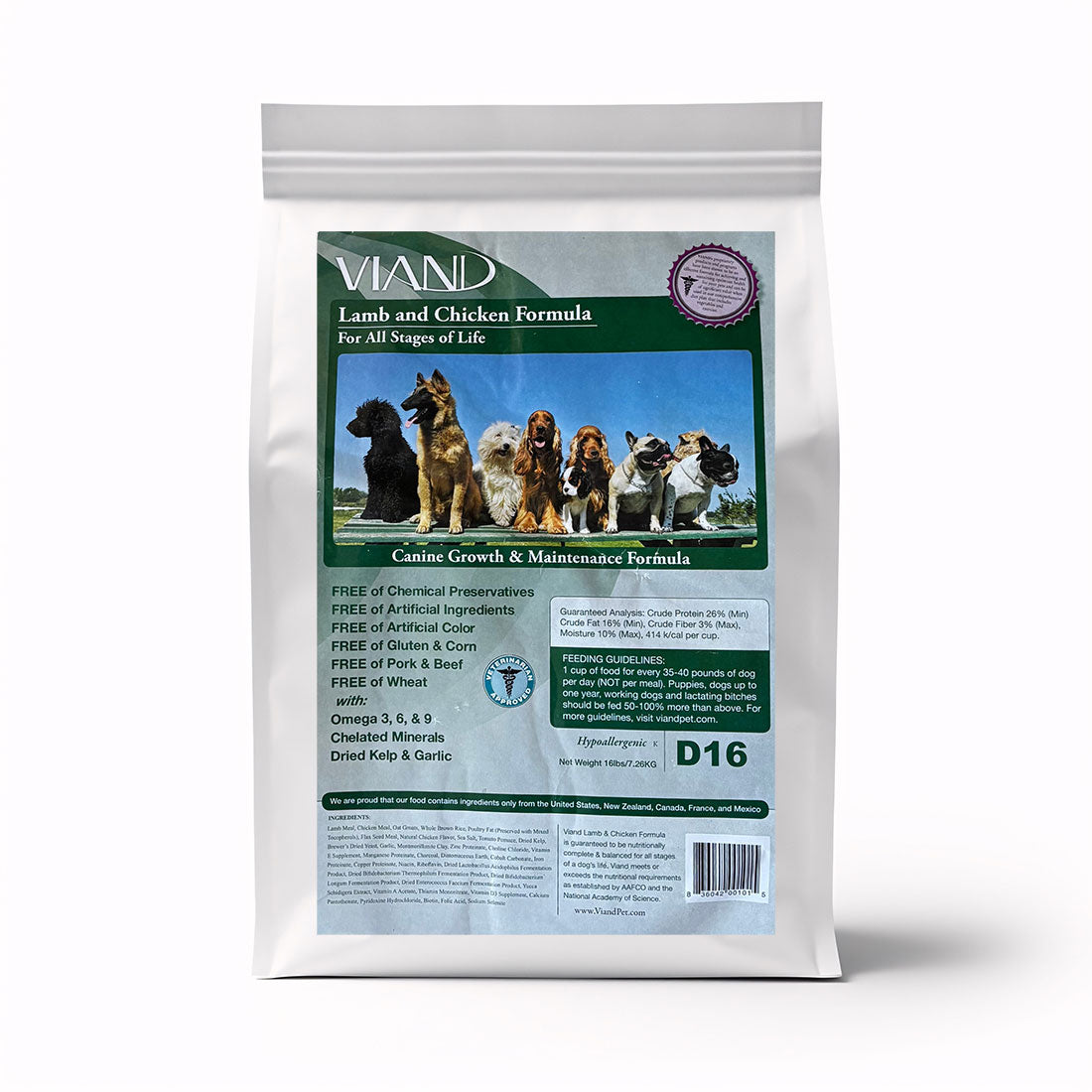
A nutrient-dense, highly digestible dog food can provide the calories and nutrition your dog needs in a smaller serving. That's the idea behind Feed Less. Save. You're not feeding your dog less nutrition. You're feeding less food to deliver the nutrition they need.
So how much should you actually feed?
Let's make it simple.
Why Can You Feed Less of a Nutrient-Dense Dog Food?
Not all cups of dog food are equal.
One cup of one food might contain significantly more calories than a cup of another. Foods also differ in protein, fat, fiber, ingredient quality and digestibility.
That's why switching foods and continuing to fill the bowl to the same line can be a mistake.
If your dog's old food called for two cups per day and their new food calls for 1½ cups, feeding the old two-cup portion doesn't give them “a little extra nutrition.” It may simply give them more calories than they need.
Over time, those extra calories add up.
The opposite matters too. Growing puppies, highly active dogs and dogs that have trouble maintaining weight may need more food than the average dog.
The feeding chart gives you a starting point. Your dog tells you whether that starting point is right.
Start With the Feeding Guide — Then Watch Your Dog
Start with the recommended daily amount for your dog's weight and life stage.
Then give it a couple of weeks and pay attention to four things:
- Body condition and weight
- Energy
- Appetite
- Stool quality
That's much more useful than staring at the bowl and thinking, That doesn't look like very much food.
For an adult dog at a healthy weight, you should generally be able to feel the ribs without pressing hard, see some definition at the waist when looking down from above and see a slight abdominal tuck from the side.
If your dog starts gaining unwanted weight, reduce the daily amount a little. If they're losing weight or struggling to maintain healthy body condition, increase it.
You generally don't need dramatic changes. Adjusting the daily amount by roughly 5–10% at a time makes it much easier to see what actually works.
Calories Matter More Than Cups
Here's one of the easiest dog-feeding mistakes to make:
“My dog always gets two cups.”
Two cups of what?
Dog foods can have very different calorie densities.
That's why comparing serving sizes between foods can be misleading. A smaller serving of a more calorie-dense food may provide the same—or more—energy than a larger serving of another food.
When you're comparing foods, look for the calories per cup or calories per kilogram on the label, not just the number of cups listed on the feeding chart.
This also helps explain why a bag of nutrient-dense food can last longer than you might expect.
If your dog needs a smaller daily serving, you're simply going through the bag more slowly.
Measure It. Don't Eyeball It.
We're dog owners too. We know how easy this becomes:
A little scoop in the morning. That looks about right.
Then somebody else feeds the dog.
Then they get a treat.
Then somebody slips them a little piece of chicken.
Then dinner is another “that looks about right” scoop.
Suddenly the carefully calculated feeding amount has gone completely out the window.
You don't need to make feeding complicated. Just measure consistently.
A standard measuring cup works. A kitchen scale is even better because kibble size and shape can make cup measurements vary.
One easy approach is to measure your dog's entire daily amount in the morning and feed from that container throughout the day.
That way everyone in the house knows exactly how much food is left.
Don't Forget About Treats
Your dog's meals aren't the only calories they eat.
Treats, dental chews, table scraps, peanut butter and other extras all count.
For most dogs, treats should generally stay around 10% or less of total daily calories, with the large majority of nutrition coming from a complete and balanced diet.
If you're doing a lot of training, there's an easy trick: take some kibble out of the day's measured portion and use it as training rewards.
Your dog still gets rewarded.
You don't accidentally feed them another meal's worth of calories in the process.
Your Dog's Poop Can Tell You Something Too
Yes, we're going there.
Dog owners spend an impressive amount of time paying attention to poop—and there's actually good reason for it.
When a food is highly digestible and your dog is using more of what they eat, you may notice smaller, firmer stools and less waste.
That's not the only measure of whether a food is working, but it's certainly one worth watching.
We've written more about what your dog's stool can tell you here.
Persistent diarrhea, constipation, sudden stool changes or other significant digestive problems deserve a conversation with your veterinarian.
What About Puppies and Senior Dogs?
This is where “just feed by weight” becomes too simplistic.
Puppies
Puppies aren't simply small adult dogs.
They're building muscle, bone and organs and need nutrition formulated specifically for growth. Large-breed puppies have additional nutritional considerations because growth rate matters.
Use a food appropriate for your puppy's life stage and start with its specific feeding recommendations.
Senior Dogs
There isn't one universal “senior dog portion.”
Some older dogs become less active and need fewer calories. Others have trouble maintaining muscle and weight and may need more.
Body condition matters more than the birthday on the calendar.
If your older dog suddenly begins gaining or losing weight without an obvious explanation, talk with your veterinarian rather than simply continuing to adjust the food.
Switching Foods? Give Their Stomach a Minute.
Even a high-quality food can cause digestive upset if you switch overnight.
For most dogs, transition gradually over about 7–10 days, increasing the amount of new food while decreasing the old food.
Here's our simple guide to transitioning your dog to a new food.
And resist the temptation to change five things at once.
New food + new treats + new supplements + new topper makes it nearly impossible to figure out what's helping—or what's upsetting your dog's stomach.
Change one thing at a time whenever possible.
So, How Much Should You Feed?
Here's the simple version:
Start with the feeding recommendation. Measure it accurately. Watch your dog. Adjust when necessary.
Don't add food just because the bowl looks smaller than it used to.
A dog's nutritional needs aren't measured by how close the kibble gets to the top of the bowl.
They're measured by whether the food provides what your dog needs to maintain a healthy weight, good energy, comfortable digestion and strong overall condition.
That's what we mean by Feed Less. Save.
Less unnecessary volume.
More useful nutrition in every serving.
And, because you're feeding an appropriate smaller portion, potentially a bag of food that goes farther than you'd expect.