

· By Admin
Hypoallergenic Dog Food for Itchy Skin Relief
A dog who cannot stop scratching is not simply being “a little itchy.” Repeated paw licking, ear rubbing, face scratching, belly rash, and a dull coat can make everyday life uncomfortable for your furry friend - and frustrating for you. Hypoallergenic dog food for itchy skin may help when a dietary sensitivity is part of the picture, but the right answer starts with understanding what the itch is actually telling you.
Food can influence the skin because the skin, coat, and digestive system all depend on steady, usable nutrition. A highly digestible, complete diet with thoughtfully selected ingredients can reduce unnecessary dietary variables and help support healthy skin from within. Still, food is not the only possible cause of itching. A practical plan looks at the whole dog, not just the bowl.
When itchy skin may be a food issue
Food sensitivities can show up in ways owners do not always expect. Some dogs develop itching around the feet, ears, face, underarms, or rear end. Others have recurring ear irritation, soft stools, excess gas, or frequent licking alongside skin discomfort. These signs do not prove a food sensitivity, but they make the diet worth evaluating.
The timing matters. A dog can eat the same formula for months or even years before a sensitivity becomes noticeable. This is one reason a sudden flare can feel confusing. It is also why changing foods repeatedly, without a plan, can make it harder to identify what agrees with your dog.
Before assuming food is the culprit, rule out common outside triggers. Fleas, seasonal pollen, grasses, dust mites, yeast, bacterial skin infections, grooming products, and even bedding detergents can cause serious itching. If your dog has raw skin, hair loss, swollen paws, recurring ear infections, or intense discomfort, speak with your veterinarian promptly. Nutrition is a powerful foundation, but it should work alongside appropriate veterinary care.
What hypoallergenic dog food for itchy skin means
The word “hypoallergenic” can be useful, but it is not a guarantee that every sensitive dog will thrive on every food carrying that label. In practical terms, a hypoallergenic diet is designed to reduce exposure to ingredients that may be more likely to cause trouble for an individual dog.
Some formulas use a limited number of ingredients. Others use a single, clearly identified animal protein and a simple carbohydrate source. Veterinary therapeutic diets may use hydrolyzed proteins, which are broken into very small pieces intended to be less recognizable to the immune system. Each approach has a place.
For a dog with occasional itching and no diagnosed allergy, a high-quality limited-ingredient or naturally simple diet may be a reasonable starting point. For a dog with severe, persistent symptoms or a suspected true food allergy, your veterinarian may recommend a more controlled elimination diet. That process is stricter than simply trying a new bag of food, and treats, flavored medications, table scraps, and chews may need to be managed as well.
The key is not chasing the most exotic ingredient. It is choosing a complete, balanced food with ingredients you can identify, a protein source your dog tolerates, and no unnecessary fillers that complicate the feeding plan.
Ingredients worth questioning
Dogs react differently, so there is no universal “bad” ingredient list. However, when itchy skin and digestive upset are ongoing, it makes sense to simplify the diet and look closely at what is entering the bowl every day.
Common proteins such as beef, dairy, chicken, egg, and lamb may be problematic for some dogs, largely because they are common in canine diets. That does not mean chicken or beef is inherently poor nutrition. It means a dog with a suspected sensitivity may benefit from avoiding a protein they have eaten often while you and your veterinarian assess the response.
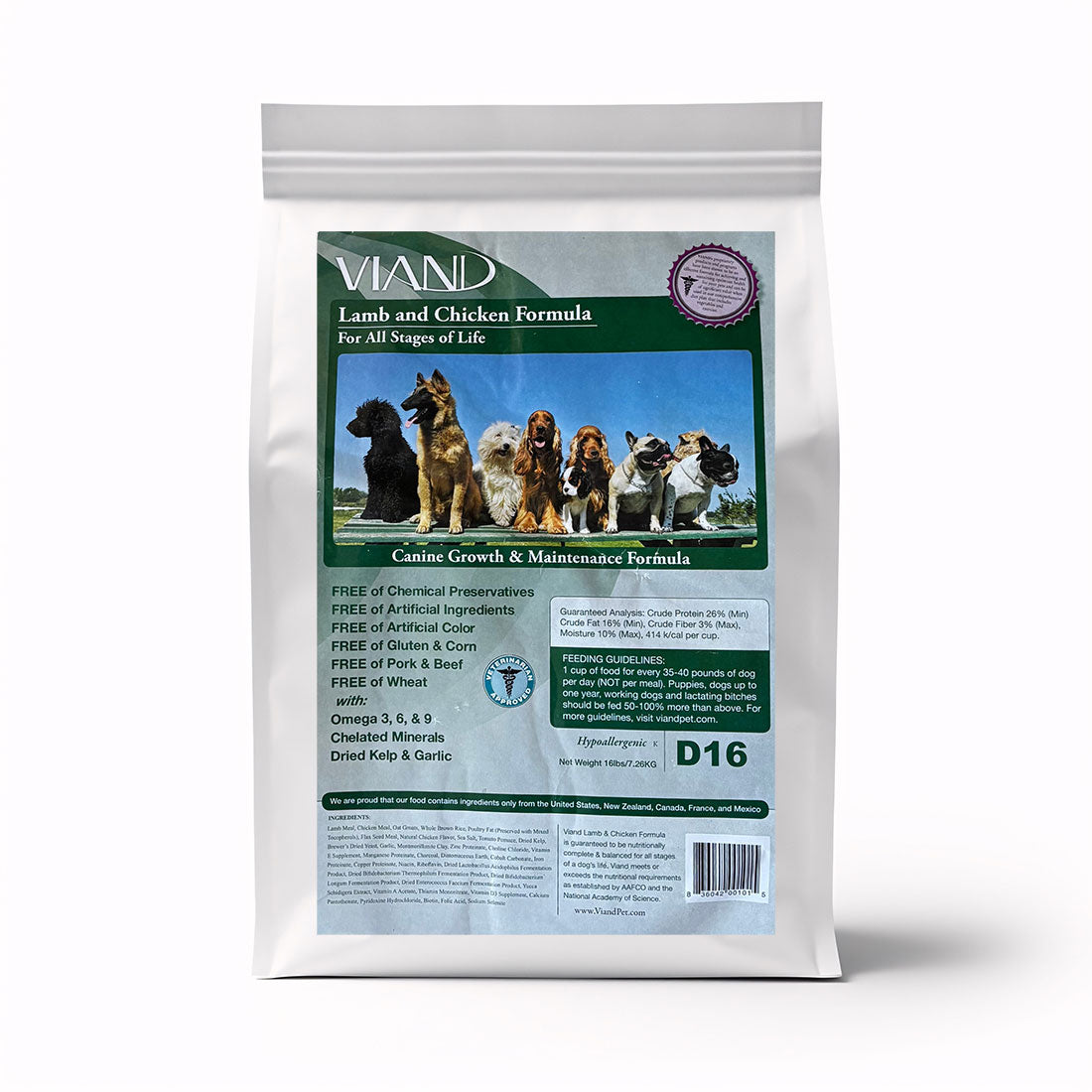
Many health-conscious owners also choose foods made without wheat, corn, or gluten when building a simpler program for a sensitive dog. These ingredients are not automatically harmful to every dog, but removing ingredients that do not serve your dog well can make the diet easier to evaluate. Ingredient quality, digestibility, and nutritional balance matter more than a trendy label on the front of the bag.
Be equally watchful of the extras. A dog may eat a carefully chosen food at breakfast and then receive several different treats, dental chews, table bites, and flavored supplements later in the day. For a sensitive dog, those small additions can keep the question mark in place.
Choose a food that supports more than the skin
Skin health is visible, but it reflects what is happening throughout the body. A useful food for an itchy dog should provide complete nutrition, not merely avoid a short list of ingredients. Look for an appropriate protein level, digestible fats, essential fatty acids, vitamins, and minerals that support normal skin turnover and a healthy coat.
Omega-3 fatty acids are especially valuable because they help support the body’s natural inflammatory balance and can contribute to softer skin and a more resilient coat. They are not a substitute for solving an allergy, parasite problem, or skin infection. But when paired with a compatible diet, they can be a meaningful part of a long-term wellness plan.
Digestibility also deserves attention. When a dog digests food efficiently, more of the nutrients in that food are available for daily maintenance, including the skin and coat. Nutrient-dense foods often require smaller feeding portions than lower-quality, filler-heavy diets. Feed the portion your dog needs, not simply the largest scoop that fits in the bowl. Overfeeding can lead to weight gain, while underfeeding can leave a dog short on the calories and nutrients needed to thrive.
A food should also fit your dog’s life stage, size, activity level, and medical needs. A growing puppy, a sedentary senior, and a highly active adult do not always need the same calorie level or feeding strategy. Hypoallergenic should never mean nutritionally incomplete.
How to change food without creating more problems
An abrupt food switch can cause loose stool and make it difficult to tell whether the new formula is helping. Unless your veterinarian directs otherwise, transition gradually over seven to 10 days. Start by mixing a small amount of the new food with the current food, then slowly increase the new food while decreasing the old one.
During the transition, keep everything else as consistent as possible. Use the same approved treats, avoid new chews, and resist the urge to add multiple supplements at once. If your dog improves, you want to know what likely contributed. If symptoms worsen, a simple routine gives you clearer information to share with your veterinarian.
For a true elimination diet trial, follow veterinary instructions exactly. These trials commonly require several weeks of strict feeding before the skin has time to settle and a reliable pattern can emerge. A single biscuit from a neighbor or a flavored chew can interfere with the results, so family members and pet sitters need to understand the plan.
Track the signs that matter
A quick weekly note can be more useful than relying on memory. Record scratching frequency, paw licking, ear debris or odor, stool quality, coat appearance, appetite, and any new treats or medications. Photos of irritated areas can help you see gradual improvement that is easy to miss day to day.
Expect progress to take time. Digestive changes may become noticeable within days, while skin and coat changes often take several weeks. If your dog is constantly uncomfortable, develops hot spots, or has signs of infection, do not wait for a food trial to solve an urgent problem.
A steadier bowl can support a calmer dog
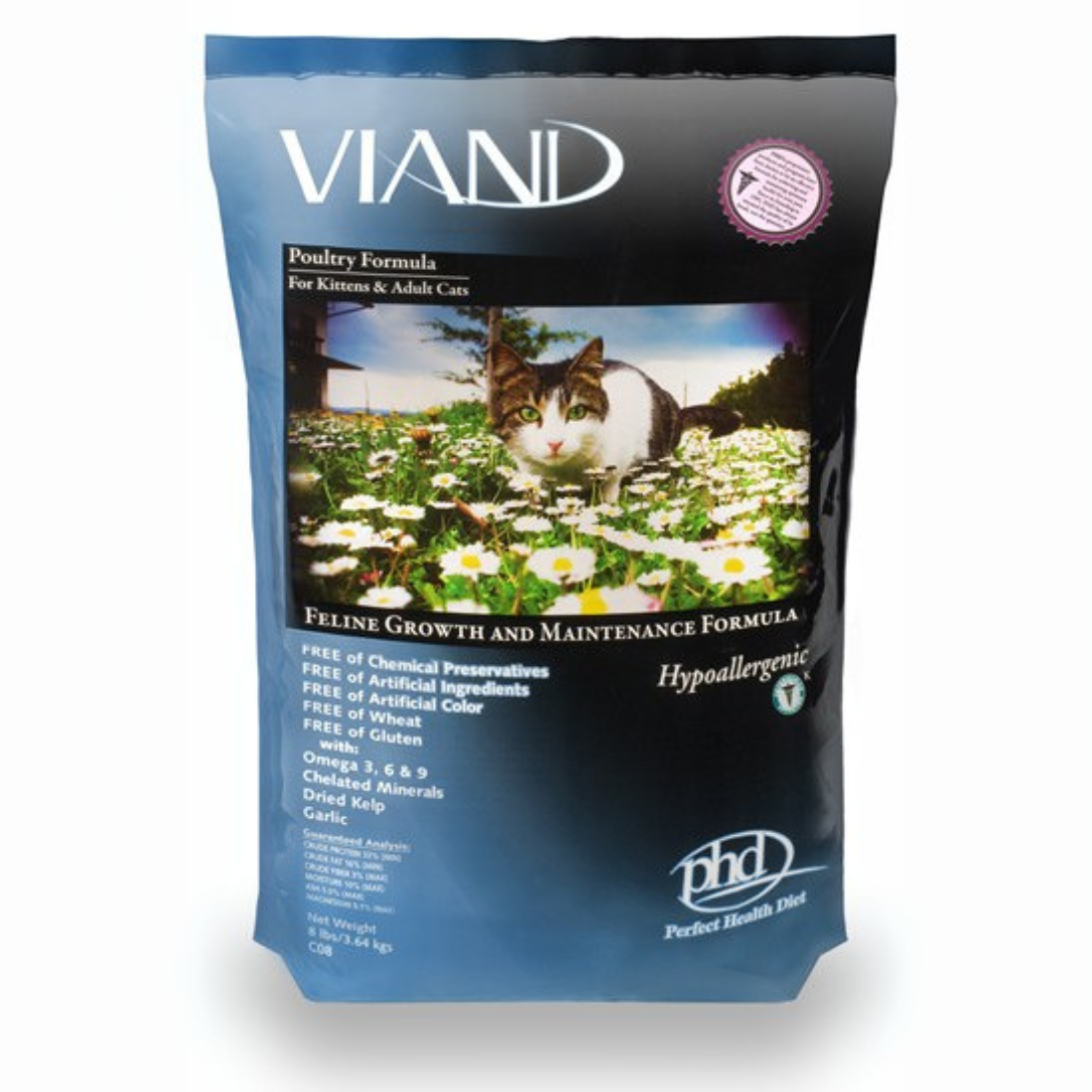
The goal is not to find a magical ingredient or switch foods every time your dog scratches. It is to create a consistent, complete feeding program that gives your dog fewer dietary surprises and better daily nourishment. For many sensitive dogs, a wheat-free, corn-free, gluten-free formula with natural, digestible ingredients is a sensible place to begin.
ViandPet’s approach is built around that practical principle: feed a nutrient-dense diet, monitor the results you can see, and make changes with purpose. When you pair a carefully selected food with sensible portioning and veterinary guidance when needed, you give itchy skin a better chance to settle - and give your dog more comfortable days ahead.