

· By Admin
Personalized Pet Nutrition Starts With the Bowl
A shiny coat, predictable stools, steady energy, and a healthy body condition tell a clearer story than a trendy ingredient ever can. Personalized pet nutrition starts by paying attention to that story: who your pet is, how they feel after meals, and what their body needs now rather than what worked for another animal.
A Chihuahua puppy, an active adult Labrador, a senior indoor cat, and a dog with recurring itching should not all be fed as though their needs are identical. They may all need complete, balanced nutrition, but the food, portion, feeding routine, and supportive supplements can look very different.
What Personalized Pet Nutrition Really Means
Personalized pet nutrition is not a promise that every pet requires a made-to-order recipe. It is a practical feeding approach that matches a complete diet to your pet's life stage, size, activity level, body condition, digestion, sensitivities, and wellness goals.
The foundation still matters most. A pet needs a nutritionally complete food made with ingredients they digest well. From there, personalization means adjusting the details that influence daily results. That may mean choosing a wheat-free, gluten-free, and corn-free formula for a pet with food concerns, feeding a more measured portion to an easy keeper, or adding targeted nutritional support for skin, joints, or digestive regularity.
This approach is different from chasing every new food trend. A limited ingredient diet may be useful for some pets, but it is not automatically better for every pet. Grain-free foods are not necessary for every dog or cat, either. The right decision depends on the individual animal, the formula's nutritional quality, and the results you can actually observe over time.
Start With the Signals in Your Pet's Daily Life
Your pet cannot describe an upset stomach or a drop in energy, but their habits often provide useful clues. Watch what happens around the food bowl and beyond it. Appetite, stool quality, coat texture, scratching, ear debris, gas, weight changes, and willingness to play are all pieces of the picture.
Healthy digestion is especially revealing. Stools should be regular, formed, and easy to pass. Occasional changes happen, particularly after a new treat or a stressful day, but ongoing loose stool, constipation, frequent gas, or very large stool volume deserves attention. Food quality, digestibility, portion size, treats, and sudden diet changes can all play a role.
Skin and coat can also help guide feeding decisions. Dry skin, dull fur, excessive shedding, licking, or recurring itchiness may be related to environmental factors, parasites, grooming products, or health conditions. Nutrition can be part of the solution, particularly when a pet is not digesting their food well or needs added fatty-acid support. It should not be treated as a shortcut around a proper veterinary evaluation when symptoms persist.
Weight is another signal that should be measured rather than guessed. Run your hands over your pet's ribs. You should generally be able to feel them with light pressure, without seeing every rib sharply in a healthy-weight pet. Look for a visible waist from above and a tucked abdomen from the side. Your veterinarian can help confirm an appropriate body-condition goal, especially for growing puppies and kittens, large breeds, seniors, and pets with medical concerns.
Choose Food for Digestibility, Not Just the Label Front
Ingredient panels matter, but they do not tell the full story. A premium food should be complete and balanced for the intended life stage, made with thoughtfully selected ingredients, and formulated to deliver reliable nutrition in each measured serving.
For many pets, a nutrient-dense dry food offers a sensible foundation. When food is highly digestible and concentrated, pets may need less volume to meet their nutritional needs. That can mean less waste, easier portion control, and more value from every bag. Feed Less. Save. is not about withholding food. It is about feeding the right amount of a food that works harder for your pet.
Protein quality deserves close attention, particularly for active dogs, growing animals, and cats. Cats are obligate carnivores and have a stronger biological need for animal-based nutrition. Dogs have more dietary flexibility, yet they also benefit from diets built with quality animal proteins and balanced nutrients rather than excess filler ingredients.
If your pet has suspected food sensitivities, resist the urge to change foods every few days. Rapid switching can make digestive symptoms worse and makes it hard to tell what helped. Work with your veterinarian if there is significant itching, ear trouble, vomiting, diarrhea, or a suspected allergy. In some cases, a carefully managed elimination diet is the clearest way to identify a true food trigger.
Portions Are a Personalization Tool
Even an excellent food can cause problems when the portion is wrong. Feeding charts are a starting point, not a permanent prescription. They usually use body weight as the main guide, but body weight alone cannot tell you whether a pet is sedentary, highly active, intact, spayed or neutered, growing, aging, or prone to weight gain.
Measure meals consistently. A kitchen scale is the most precise option, though a level measuring cup can work when used carefully. Then observe your pet for several weeks. If they are gaining unwanted weight, reduce the daily amount gradually. If they are losing weight without a planned reason, seem unusually hungry, or lack energy, speak with your veterinarian before simply increasing food.
Treats count, too. Small extras can quietly become a meaningful part of a pet's daily calorie intake, especially for small dogs and indoor cats. Use treats purposefully for training and connection, then adjust the main meal when needed. A healthy routine should feel sustainable for the whole household, not like constant restriction.
When Supplements Make Sense
Supplements can be valuable when they address a clear need, but they do not replace a complete diet. Think of them as targeted support, not nutritional insurance for a poor-quality food.
A pet with seasonal skin discomfort may benefit from a carefully selected skin and coat supplement. An older dog with stiffness after rest may be a candidate for joint support. Pets with intermittent digestive upset may do well with digestive-focused support, depending on the cause. The best choice depends on your pet's symptoms, current food, medications, and health history.
Avoid stacking multiple supplements without a reason. More is not always better, and some ingredients overlap across products. Keep a simple record of what you add, when you start it, and what changes you notice. This makes it easier to evaluate whether a product is genuinely helping.
Make Changes Slowly and Track Results
A thoughtful transition protects the digestive system and gives you better information. When changing foods, mix the new formula into the old one gradually over about seven to 10 days. Start with a small amount of the new food, then increase it as your pet tolerates the change. Pets with sensitive digestion may need an even slower transition.
During that time, keep other variables steady when possible. Do not introduce a new food, three new treats, table scraps, and a supplement all in the same week. If your pet develops a problem, you will have no practical way to identify the cause.
A short feeding journal can be surprisingly useful. Note the food and amount fed, treats, stool quality, scratching, appetite, energy, and weekly weight or body-condition observations. You do not need to monitor every detail forever. A few weeks of consistent notes can turn vague impressions into useful feeding decisions.
Personalization Changes as Your Pet Changes
The feeding plan that serves a young adult pet well may need adjustment after a move, a change in activity, a spay or neuter procedure, pregnancy, aging, or a new health diagnosis. Puppies and kittens need nutrition that supports growth. Large-breed puppies require particular care because excessive calories and improper mineral balance can affect healthy development. Senior pets may need closer monitoring of weight, appetite, mobility, and digestion, even when they appear healthy.
For pets with kidney disease, diabetes, pancreatitis, urinary concerns, heart disease, or other diagnosed conditions, personalized nutrition should be guided by the veterinarian managing that condition. A premium everyday food is not automatically appropriate for a therapeutic need.
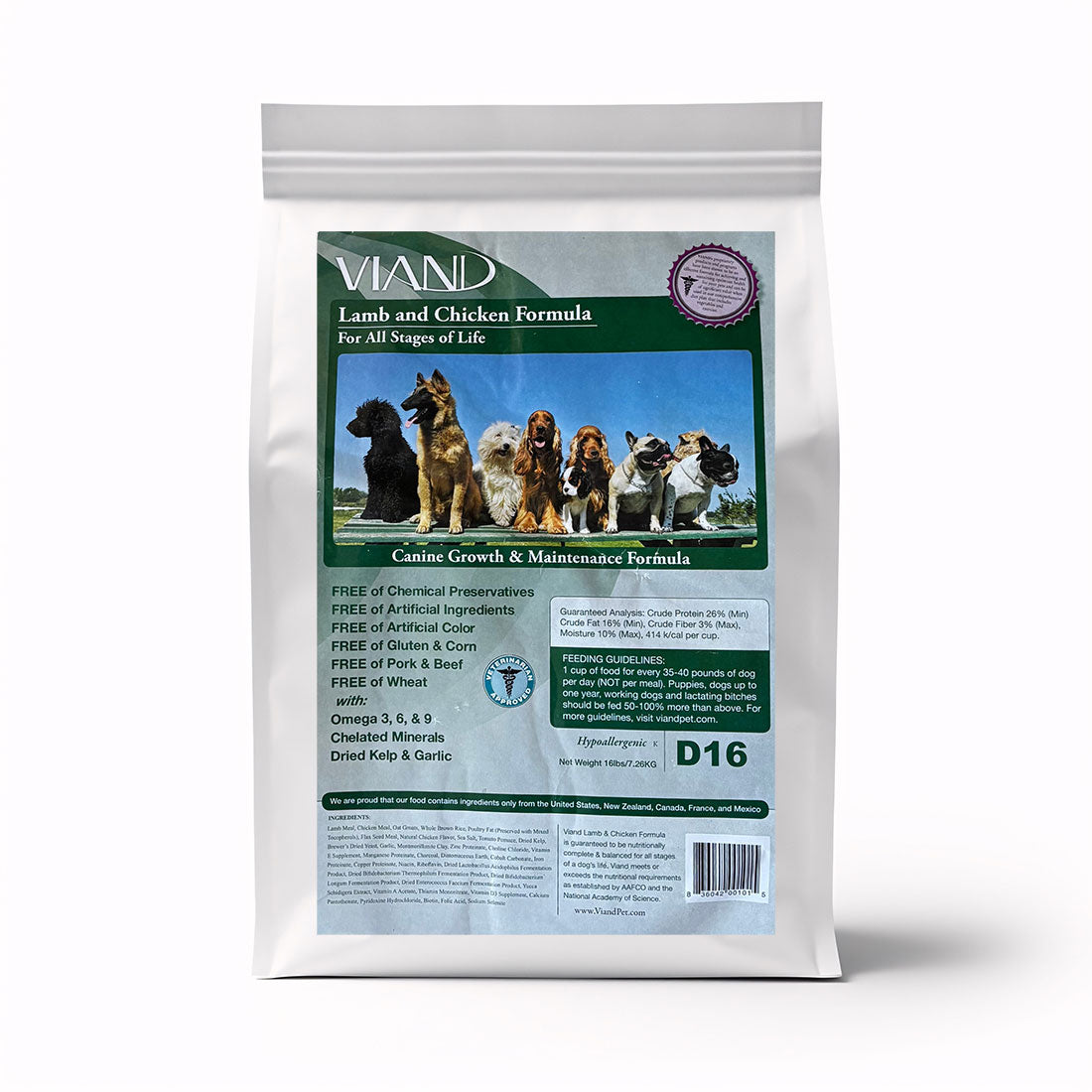
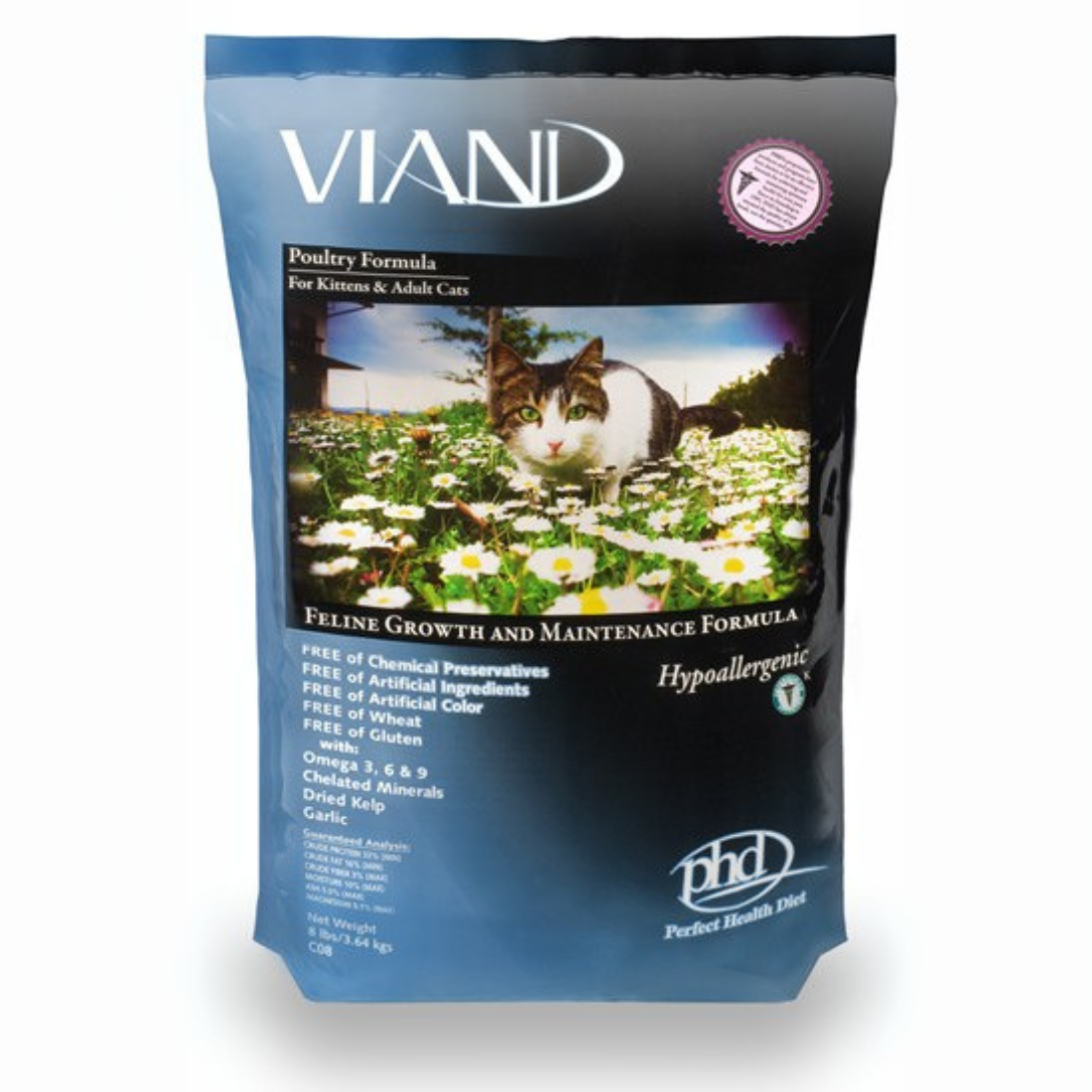
At ViandPet, the goal is not to make feeding complicated. It is to help pet owners move beyond one-size-fits-all choices with complete, digestible nutrition and practical guidance. Start with the bowl in front of your furry friend, pay attention to what their body tells you, and make one thoughtful adjustment at a time.