

· By Admin
Senior Dog Food Nutrition Guide for Healthy Aging
A gray muzzle does not automatically mean your dog needs less care at the food bowl. Many older dogs remain active, maintain a healthy weight, and digest their meals beautifully. Others begin showing subtle changes first: a slower rise from bed, a duller coat, inconsistent stools, or pounds that seem to appear despite the same routine. This senior dog food nutrition guide helps you respond to those changes with practical, thoughtful feeding choices.
When Is a Dog a Senior?
There is no single birthday that makes every dog a senior. Small dogs may not enter their senior years until around age 10 or 11, while giant breeds can develop age-related needs by age 6 or 7. Breed, size, activity level, body condition, and health history all matter.
That is why age alone should not trigger an abrupt food change. Instead, look at the dog in front of you. Is your furry friend maintaining lean muscle? Are stools regular? Has appetite changed? Are mobility, skin, coat, or energy different than they were six months ago? A yearly wellness exam, and more frequent exams for older dogs, gives you a useful baseline before making major diet decisions.
The Senior Dog Food Nutrition Guide: What Matters Most
A quality senior diet should not be a lower-quality version of adult food with a picture of a gray-faced dog on the bag. Older dogs need complete, balanced nutrition from highly digestible ingredients, with calories and nutrients matched to their individual condition.
Prioritize digestible animal protein
Protein supports lean body mass, immune function, skin, coat, and recovery. As dogs age, maintaining muscle becomes especially valuable because muscle helps support mobility and everyday strength. Unless your veterinarian has identified a specific medical reason to limit protein, an older dog generally benefits from a diet with quality, digestible animal-based protein.
The key is not simply chasing the largest protein percentage on a label. Consider ingredient quality, digestibility, calorie content, and how your dog responds. A nutrient-dense, meat-conscious food may allow smaller feeding portions while still providing meaningful nourishment. That can be helpful for dogs with smaller appetites or sensitive digestion.
Match calories to body condition
Some senior dogs slow down and gain weight easily. Others lose weight because they burn calories inefficiently, have dental discomfort, or are managing an underlying condition. Feeding every senior dog a reduced-calorie diet can be just as misguided as feeding every one of them extra food.
Use body condition as your guide. You should be able to feel your dog's ribs with light pressure, see a waist from above, and notice a gentle abdominal tuck from the side. If those landmarks disappear, reduce calories gradually and reassess. If ribs, spine, and hips become too prominent, speak with your veterinarian promptly and consider whether more calories, better digestibility, or medical testing is needed.
Measure meals rather than relying on a full scoop. A small daily overfeed can become significant over months, particularly for a less active dog. Conversely, feeding less only saves when the food is nutrient-dense enough to meet your dog's needs in a smaller portion.
Choose fats with purpose
Fat provides energy, supports skin and coat health, and makes food more appealing. But the right amount depends on the dog. An energetic, thin senior may need a more calorie-dense formula, while an overweight dog may do better with a more moderate fat level and carefully measured portions.
Omega-3 fatty acids can be particularly useful in an older dog's overall wellness plan. They support healthy skin, coat, and a normal inflammatory response, which may be welcome for dogs dealing with stiffness. Fish oil or other omega-3 supplements should be introduced with portion control in mind, since oils add calories and can cause loose stools when added too quickly.
Support regular digestion
Older dogs can become more sensitive to sudden food changes, rich table scraps, or ingredients that never agreed with them in the first place. A consistent diet made without common irritants such as wheat, gluten, and corn may be a sensible choice for dogs with known sensitivities, although no single ingredient is the problem for every dog.
Appropriate fiber helps support regular stools, but more fiber is not always better. Too little may contribute to constipation; too much can increase stool volume or interfere with calorie intake. Watch what comes out as closely as you watch what goes in. Firm, easy-to-pick-up stools, stable appetite, and minimal gas are practical signs that a food is agreeing with your dog.
Fresh water matters, too. Some older dogs drink more because of medications or health conditions, while others need encouragement to stay hydrated. A noticeable increase or decrease in thirst deserves a call to your veterinarian, especially if it occurs alongside appetite, weight, or urination changes.
Read the Label Beyond the Marketing
The front of a dog-food bag can be useful, but it does not tell the whole story. Turn it over and look for a nutritional adequacy statement confirming that the food is complete and balanced for the appropriate life stage. A complete maintenance diet is designed to provide daily nutrition, not just a few appealing ingredients.
Then review the guaranteed analysis and ingredient panel in context. Look for identifiable animal protein sources and a formulation that fits your dog's sensitivities and calorie needs. If your dog has a history of food reactions, the shortest ingredient list is not necessarily the best answer. What matters is avoiding known triggers while maintaining complete nutrition.
For owners who prefer a more natural feeding approach, a wheat-free, gluten-free, corn-free formula can help simplify food selection. Still, natural ingredients do not replace sound formulation. The diet must provide dependable nutrition meal after meal.
Senior-Specific Concerns That Change the Plan
Aging does not happen in a straight line. Two dogs of the same age can need very different feeding programs.
Weight gain and reduced activity
For the dog who has become less active, begin with accurate portions and low-calorie rewards. Treats count toward the day's calories, even when they are healthy. Use part of the daily kibble allowance for training when possible, and reserve richer treats for occasional use.
Gentle, veterinarian-approved movement also works alongside diet. Regular walks, controlled swimming, or simple at-home mobility exercises can help preserve conditioning without asking too much of aging joints.
Weight loss or poor appetite
Unplanned weight loss is never something to dismiss as normal aging. Dental pain, digestive disease, kidney issues, endocrine changes, medication effects, and other conditions can all affect appetite and weight. Schedule a veterinary evaluation before trying to solve persistent weight loss by simply feeding more.
Once medical concerns are addressed, a highly digestible, nutrient-dense food may help a dog get more nutrition from each bowl. Some dogs also respond well to smaller, more frequent meals. Warming food slightly can improve aroma, but avoid adding seasonings, onion, garlic, or salty broth.
Mobility and joint comfort
Extra body weight puts additional stress on joints, so staying lean is one of the most useful nutrition-based steps for mobility. Certain supplements, including glucosamine, chondroitin, green-lipped mussel, and omega-3s, may be appropriate additions for some dogs. Their value depends on the ingredient quality, dose, your dog's medical history, and what else is already in the food.
Supplements are tools, not substitutes for a complete diet or veterinary care. If your dog takes anti-inflammatory medication, has surgery planned, or has a chronic condition, ask your veterinarian before adding anything new.
Dental changes
A dog with dental disease may approach the bowl eagerly but walk away after a few bites. Bad breath, dropping food, chewing on one side, pawing at the mouth, and reluctance to eat dry food can all signal discomfort. Do not assume that switching to soft food fixes the problem. Dental pain needs attention, and a veterinarian can advise whether a different food texture is appropriate.
Change Food Slowly and Track Results
Even an excellent food can cause digestive upset if introduced overnight. Transition over about 7 to 10 days, beginning with a small amount of the new food mixed into the current diet and gradually increasing it. Dogs with sensitive digestion may need a slower transition.
Keep a simple record during the change: portion size, body weight, stool quality, appetite, itching, coat condition, and daily energy. These observations are more useful than judging a food after one enthusiastic meal. If vomiting, persistent diarrhea, marked itching, or refusal to eat occurs, stop guessing and contact your veterinarian.
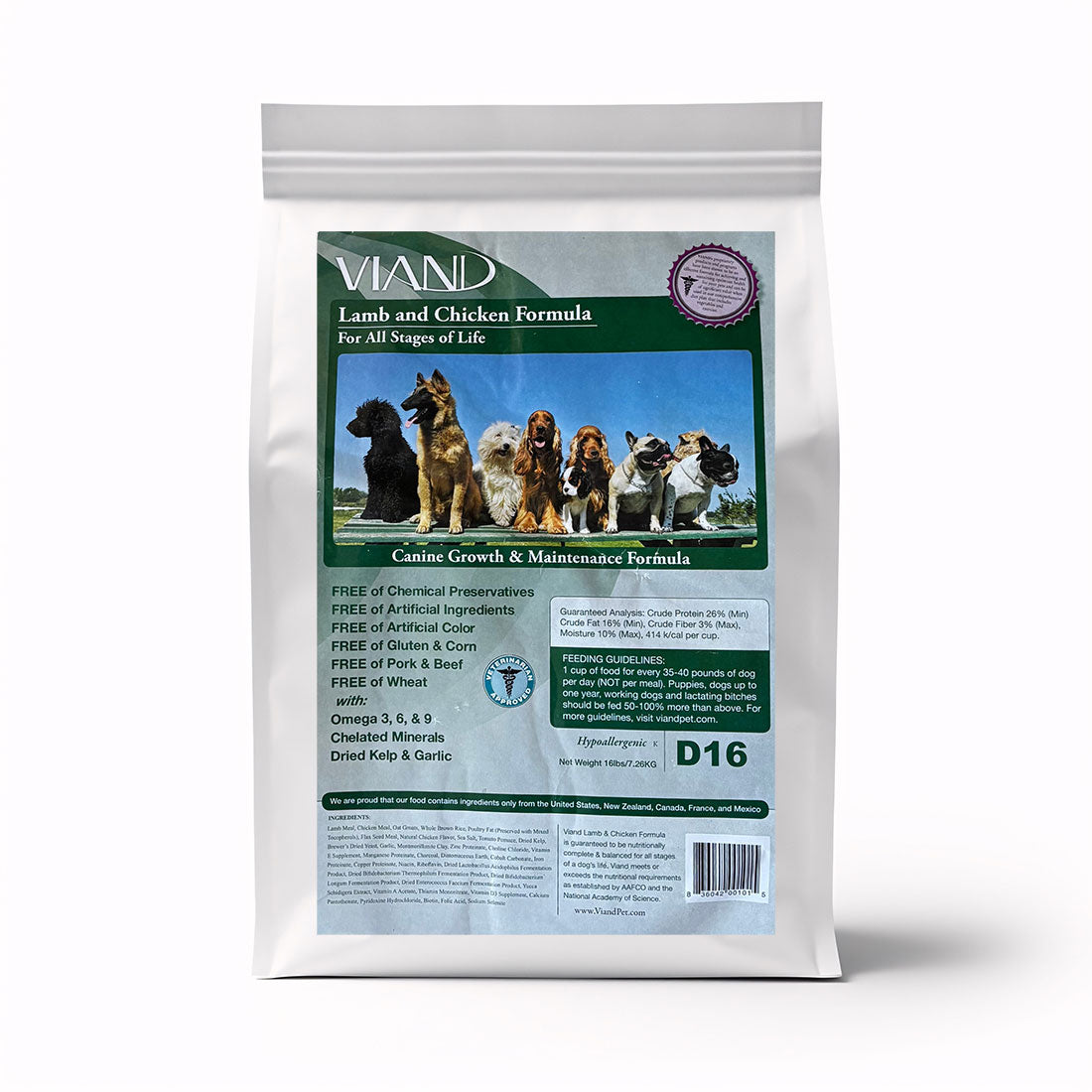
ViandPet's approach is built around complete, nutrient-dense food and portions that match the individual dog, not a one-size-fits-all senior formula. That is a practical standard for any older dog's feeding program: choose quality, measure carefully, and adjust based on visible results.
Your dog's later years deserve more than a label change. Put fresh water down, measure the next meal with care, and use the quiet signals from your dog's body to guide the choices that keep each day comfortable, well-fed, and full of tail wags.