

· By Admin
Wheat Free Versus Grain Free for Dogs and Cats
A dog with itchy ears, recurring paw licking, loose stools, or a dull coat can make every ingredient on the food label feel suspect. That is why the wheat free versus grain free question deserves a clearer answer than a quick marketing claim. These terms describe different things, and the better choice depends on your pet's individual response, overall health, and the quality of the complete diet.
For many dogs and cats, a thoughtfully formulated wheat-free food is an excellent long-term foundation. For others, a grain-free formula may make sense. Neither label, by itself, tells you whether a food is nutritious, digestible, or right for your furry friend.
Wheat Free Versus Grain Free: The Real Difference
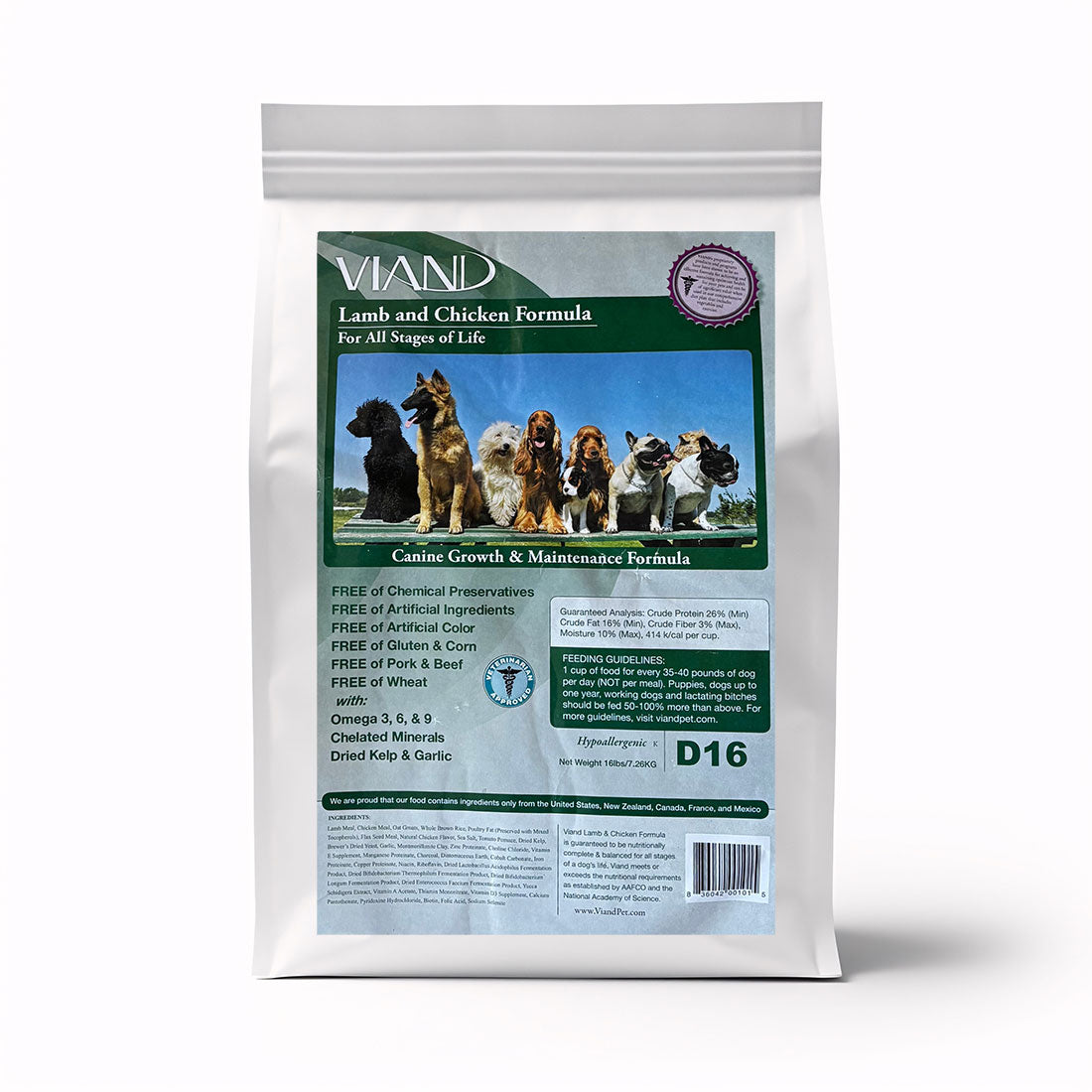
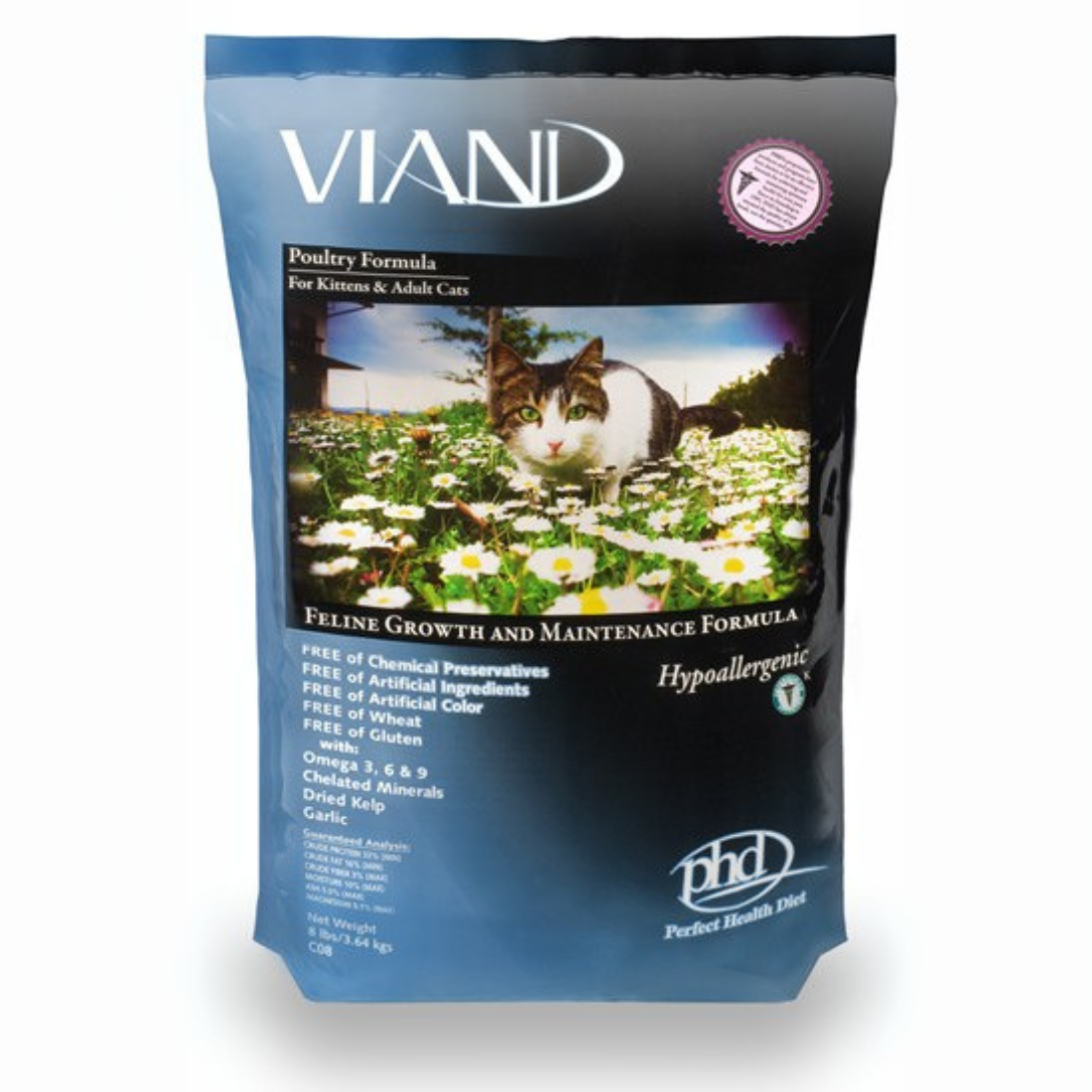
Wheat-free food does not contain wheat. That is the entire promise. It may still include other grains, such as rice, oats, barley, millet, or sorghum. A wheat-free recipe may be a practical choice for pets that do not tolerate wheat well while still benefiting from the energy, fiber, and texture that selected grains can provide.
Grain-free food excludes cereal grains altogether. Instead of grains, these recipes often use ingredients such as potatoes, sweet potatoes, peas, lentils, chickpeas, or tapioca as sources of starch and structure. Grain-free does not automatically mean lower in carbohydrates, higher in meat, or easier to digest. Those details depend on the specific recipe.
There is another distinction that causes confusion: wheat-free is not always gluten-free. Gluten is a protein found in wheat, but also in grains such as barley and rye. If your veterinarian has identified a need to avoid gluten, read the full ingredient panel rather than relying on a wheat-free claim alone.
The same principle applies to grain-free labels. A food can be free of grains and still contain ingredients that do not agree with a particular pet. Food selection should begin with the whole formula, not one badge on the front of the bag.
When Wheat May Be the Better Ingredient to Avoid
True food allergies are less common than many owners assume, and skin or digestive symptoms can have many causes. Fleas, environmental allergies, parasites, stress, abrupt food changes, infections, and treats from several different sources can all complicate the picture. Still, some pets do react poorly to a specific ingredient, including wheat.
A wheat-free diet may be worth discussing with your veterinarian if your pet has persistent symptoms that continue after common causes have been addressed. Signs can include chronic itching, ear inflammation, recurrent soft stool, vomiting, excessive gas, or skin irritation. These signs do not prove that wheat is the issue, but they are a reason to investigate rather than simply rotate foods at random.
The most useful way to identify a food sensitivity is usually a structured elimination diet guided by a veterinarian. That means feeding a carefully chosen diet consistently, avoiding flavored medications, table scraps, chews, and unapproved treats, then evaluating the result over time. Switching from one food to another every few weeks can make it harder to identify what is helping and what is not.
If wheat is the concern, moving to a complete wheat-free food may be enough. There is no nutritional rule saying that a pet who avoids wheat must avoid every grain.
When Does Grain-Free Make Sense?
Grain-free feeding can be a reasonable option for a pet with a diagnosed sensitivity to more than one grain, or for a pet who has done consistently well on a carefully formulated grain-free recipe. Some owners also choose it because their pet prefers the formula, maintains excellent stool quality, and thrives at a healthy body condition on the recommended portion.
That said, grain-free should not be treated as a universal upgrade. Dogs and cats do not need grain-free food simply because the label sounds more natural or premium. Many pets digest properly selected grains very well. Cats, as obligate carnivores, have a particularly strong need for animal-based protein, yet the key question remains whether the entire food provides balanced nutrition and supports their condition, not whether it has grain.
Owners should also be thoughtful about grain-free foods that rely heavily on peas, lentils, chickpeas, or potatoes, particularly when those ingredients appear repeatedly near the top of the ingredient list. The relationship between certain diets and diet-associated dilated cardiomyopathy in dogs has received substantial veterinary attention. The issue is complex and not fully explained by one ingredient or one label claim. It is a good reason to choose established, nutritionally complete formulas and to involve your veterinarian if your dog has a heart condition, a breed-related cardiac risk, or unexplained exercise intolerance.
A quality food earns its place in the bowl through formulation, digestibility, ingredient standards, and results you can see - not through grain-free status alone.
What to Look for Beyond the Front Label
Start by confirming that the food is complete and balanced for your pet's life stage. A growing puppy, an active adult dog, a senior dog, and a cat have different nutritional needs. A food intended for supplemental feeding or occasional use should not replace a complete daily diet.
Then look at the protein sources and the overall ingredient approach. Named animal proteins offer more useful information than vague terms. Consider whether the recipe contains natural, recognizable ingredients and whether it avoids ingredients your individual pet has already shown difficulty tolerating. For pets with sensitivities, simple, consistent feeding is often more valuable than chasing every new trend.
Digestibility matters because nutrition only helps when your pet can use it. A highly digestible, nutrient-dense food can support smaller feeding portions, firmer stools, steady energy, and healthy body condition. This is the practical thinking behind ViandPet's Feed Less. Save. approach: feed a food built to deliver meaningful nutrition in an appropriate portion, then watch how your pet responds.
Your pet's results are part of the evidence. Over several weeks, look for regular stool, comfortable digestion, a healthy appetite, stable weight, clear eyes, a soft coat, normal skin, and dependable energy. One isolated upset stomach does not necessarily mean a formula has failed, especially after a transition. A continuing pattern deserves closer attention.
Make Food Changes Slowly and With a Purpose
Even a well-chosen food can cause digestive upset if introduced too quickly. Transition gradually over about seven to 10 days, mixing increasing amounts of the new food with the current food. Pets with sensitive digestion may need an even slower transition.
Keep the rest of the routine steady during this period. Use compatible treats sparingly, measure meals, and avoid introducing new supplements at the same time unless a veterinarian recommends them. If you change food, treats, toppers, and supplements all at once, you will not know what caused an improvement or a setback.
Portion control also matters. Premium, nutrient-dense food may require less volume than a lower-quality formula. Feeding by the bag's guideline is a starting point, not a permanent prescription. Adjust based on body condition, activity level, age, and your veterinarian's guidance. A healthy pet should have a visible waist when viewed from above and ribs that are easy to feel beneath a light covering of fat.
The Best Choice Is the One Your Pet Can Thrive On
Wheat-free is often a targeted, sensible option for pets that need to avoid wheat. Grain-free is a broader dietary choice that may be appropriate in specific situations, but it is not automatically healthier for every dog or cat. Both can be part of excellent nutrition when the recipe is complete, balanced, digestible, and suited to the pet in front of you.
Read beyond the headline on the bag, make one thoughtful change at a time, and pay attention to the everyday signs of wellness. A food that supports comfortable digestion, a healthy coat, steady energy, and a proper body condition gives you something more valuable than a trend: a practical foundation for more good years together.