

· By Admin
Pet Nutrition That Supports a Healthier Life
A shiny coat and an eager appetite are encouraging, but they are only part of the picture. Pet nutrition is the daily system behind your furry friend's energy, digestion, muscle condition, immune function, and comfort over time. The bowl matters because it is one of the few parts of wellness you can guide with consistency every single day.
For dogs and cats, better feeding is rarely about chasing a trendy ingredient or changing foods at the first sign of a problem. It is about choosing a complete, digestible diet that fits the animal in front of you, feeding the right amount, and paying attention to meaningful changes. Nature knows best, but owners still need practical information to put that principle to work.
What Good Pet Nutrition Looks Like
A quality food should provide complete and balanced nutrition for your pet's intended life stage. That means the formula is designed to supply essential protein, fat, vitamins, minerals, and other nutrients in appropriate proportions, rather than simply looking impressive on an ingredient panel.
Ingredients still matter. A meat-conscious formula with natural, carefully selected ingredients can support the needs of carnivorous cats and active dogs while avoiding unnecessary fillers that may not agree with every pet. Many health-conscious owners also look for foods without wheat, gluten, or corn, particularly when a dog or cat has recurring itching, digestive upset, or suspected food sensitivities.
Still, no single ingredient is automatically good or bad for every animal. A chicken-based food may be an excellent choice for one dog and unsuitable for another with a confirmed sensitivity. Grain-free is not a shortcut to quality on its own, either. The question is whether the full formula is complete, digestible, appropriate for your pet, and fed in a portion that supports healthy body condition.
Digestibility deserves more attention than it usually gets. When a pet can effectively use the nutrients in food, owners often see smaller, firmer stools, steadier energy, and less need to feed large volumes. Nutrient-dense food can cost more per bag than mass-market alternatives, yet the daily serving may be lower. That is the practical logic behind Feed Less. Save.
Start With the Pet, Not the Marketing
Your dog's or cat's nutritional needs are personal. Age, size, activity level, reproductive status, body condition, medical history, and lifestyle all affect the right feeding plan. A young, growing puppy has different needs than a sedentary senior dog. An indoor adult cat that gains weight easily should not be fed as though it spends its days hunting and roaming.
Begin with the food label's feeding guide, then treat it as a starting point rather than a permanent prescription. Feeding charts are useful because they provide a reasonable range, but they cannot account for every pet's metabolism. Evaluate the result after a few weeks: Is your pet maintaining a healthy shape? Are ribs easy to feel under a light cover of tissue? Is the waist visible from above in most dogs, and is there a gentle abdominal tuck?
Body condition is more useful than the number on the scale alone. A large-framed dog can weigh more than another dog of the same breed and still be lean. For cats, even a small amount of excess weight can matter. If you are uncertain, ask your veterinarian to assess body condition and help establish a realistic target weight.
Life Stage Changes the Bowl
Puppies and kittens need diets formulated for growth, with the calories and nutrients needed to build bone, muscle, and organs. Large-breed puppies require especially careful nutrition because rapid, uncontrolled growth can place stress on developing joints. Do not assume an adult formula is close enough during this critical stage.
Healthy adult pets generally benefit from consistency. This is the stage when owners can establish a reliable routine, monitor portions, and avoid allowing treats and table scraps to quietly replace balanced food. Treats should support the relationship with your pet, not become a major source of daily calories.
Senior pets may need adjustments, but aging alone does not dictate one specific food. Some older pets lose muscle and benefit from highly digestible protein; others become less active and need fewer calories. Dental comfort, kidney concerns, joint mobility, and changes in appetite can all influence the plan. A senior pet who suddenly stops eating, loses weight, drinks excessively, or develops persistent digestive changes needs veterinary attention, not just a new bag of food.
Portion Control Is a Health Tool
Overfeeding is easy because love often looks like one more scoop. But excess calories can increase strain on joints, reduce mobility, and complicate long-term health. Measuring food with a standard cup or, better yet, weighing portions with a kitchen scale brings clarity to the feeding routine.
Calorie needs can change with the seasons, household activity, and age. A dog who hikes every weekend may need a different portion during a quiet winter month. A cat who begins spending more time sleeping in a sunny window may need fewer calories than the label suggests. Adjust gradually and monitor the trend, not one isolated weigh-in.
Keep treats in the calculation. Training rewards, dental chews, shared bites, and supplements with calories all count. If your pet gets frequent treats, reduce the meal portion modestly so total intake remains appropriate. For pets on a tightly managed diet, use a portion of their regular kibble as training rewards when practical.
When Digestion or Skin Signals a Problem
Occasional soft stool after an exciting weekend or a stolen snack is not always a nutrition crisis. Ongoing symptoms are different. Repeated loose stool, gas, vomiting, excessive scratching, ear irritation, dull coat, or frequent paw chewing may point to a food intolerance, an environmental allergy, parasites, stress, or another health concern.
Avoid changing foods repeatedly without a plan. Constant switching can make it harder to identify what is helping and may upset digestion further. Instead, work with your veterinarian when symptoms persist. If a dietary change is appropriate, transition slowly over seven to 10 days, mixing increasing amounts of the new food with decreasing amounts of the current food.
A simple food and symptom journal can be surprisingly helpful. Record the formula, portions, treats, supplements, stool quality, itching, and any changes in behavior. This gives you and your veterinarian better information than trying to recall several weeks of details from memory.
Supplements Should Fill a Real Need
Supplements can be useful additions to a complete feeding program, especially for joint comfort, skin and coat support, digestion, or age-related nutritional needs. They should not be used to compensate for an incomplete diet or chronic overfeeding.
Choose targeted products with a clear purpose, and introduce one change at a time. Adding several supplements at once makes it difficult to tell what is working or what may be causing an upset stomach. It also creates unnecessary overlap in nutrients. More is not always better, particularly with vitamins and minerals.
For pets taking medication, managing chronic illness, or following a therapeutic diet, consult your veterinarian before adding supplements. The safest plan is one that considers the whole pet, not just the newest concern.
A Practical Routine for Better Results
The strongest nutrition plans are usually the least complicated. Feed a complete food consistently, measure the portion, offer fresh water, limit extras, and observe your pet. Check body condition monthly and use the same scale when possible. If you make a change, give it enough time to evaluate unless your pet has an immediate adverse reaction.
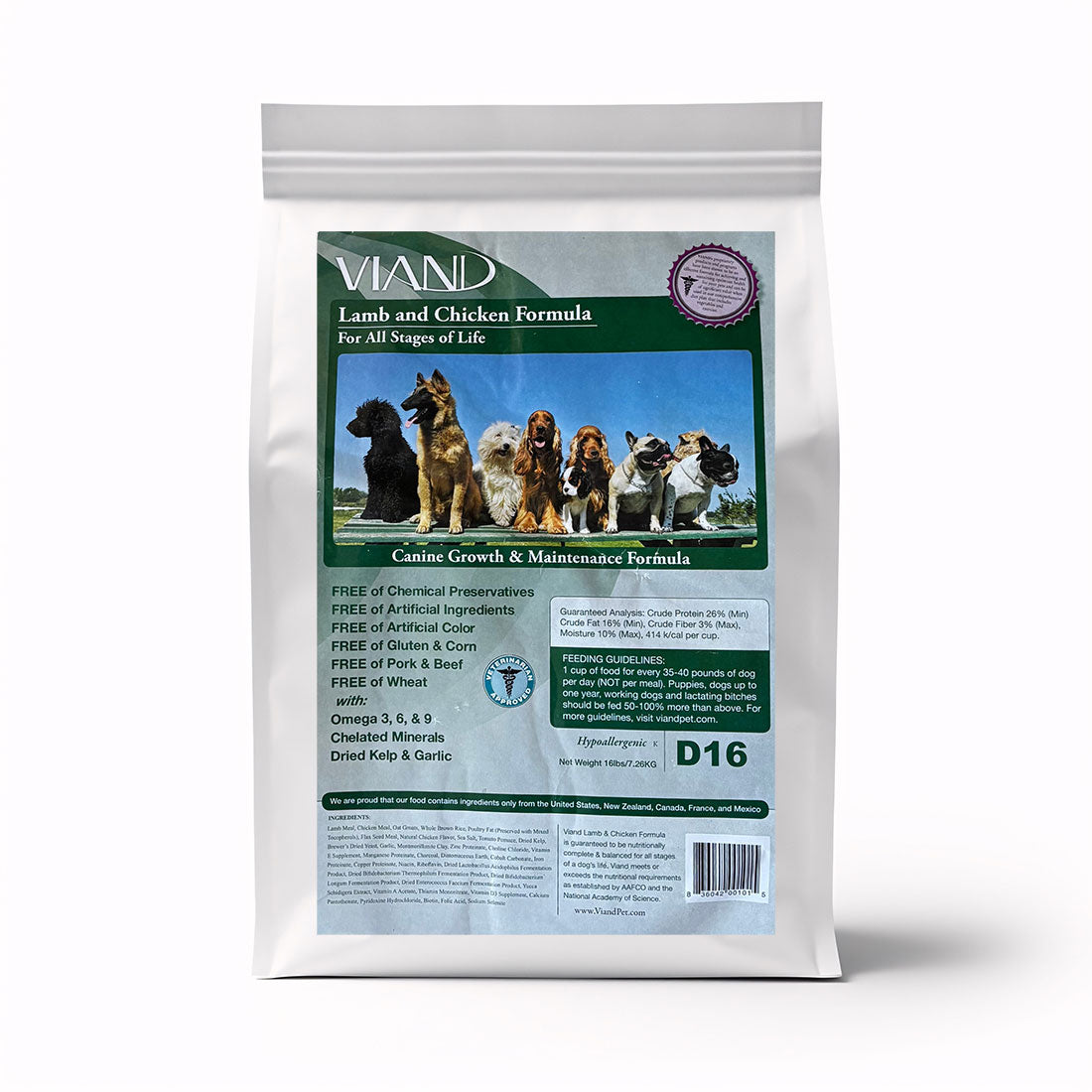
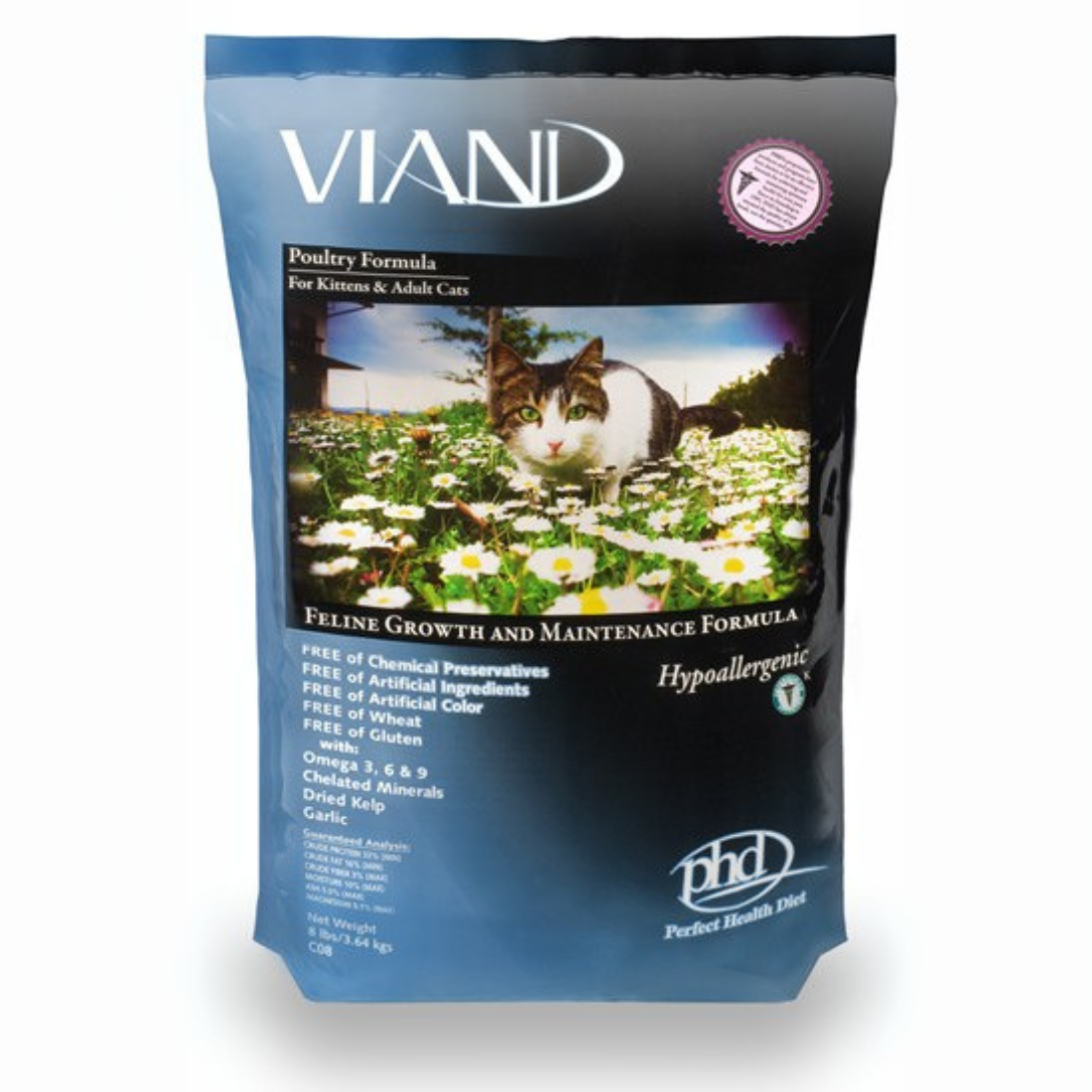
At ViandPet, that practical approach means focusing on nutrient-dense, highly digestible formulas and individualized guidance rather than asking owners to accept one-size-fits-all feeding advice. The goal is not a perfect bowl in theory. It is a feeding routine your dog or cat can thrive on day after day.
Your pet cannot read a label or explain that a meal leaves them uncomfortable. They rely on you to notice the small signals: a better stool, a softer coat, a stable weight, more willingness to play, or a gradual change that deserves attention. Feed with care, make adjustments with purpose, and let daily habits do the quiet work of supporting a healthier life.