
· By Admin
Why Dog Stools Vary and What to Watch For
A morning walk can tell you more about your dog's digestion than you might expect. If you have wondered why dog stools vary from one day to the next, you are paying attention to a useful health signal. A single soft stool after a busy weekend may be no cause for alarm. But frequent changes in consistency, color, volume, or frequency deserve a closer look at what is going into your dog's bowl and what else may be affecting the gut.
Healthy digestion is not about chasing perfection after every walk. It is about recognizing your dog's normal pattern, making thoughtful changes when needed, and knowing when a veterinarian should be involved.
What a Healthy Dog Stool Usually Looks Like
For most healthy adult dogs, a normal stool is formed, moist without being wet, and easy to pick up. It should hold its shape but not be so dry or hard that your dog strains. The color is usually medium to dark brown, although a food's natural ingredients can create modest variation.
Frequency matters, too. Many adult dogs pass stool once or twice daily, though puppies often go more often and individual routines differ. Dogs eating highly digestible, nutrient-dense food may produce less waste than dogs eating larger quantities of lower-digestibility food. Less stool is not automatically better, but a reasonable amount of well-formed stool can be a practical sign that the body is using more of what it is fed.
The best comparison is your dog's own baseline. A dog with consistently firm stools after meals may have a different normal than one who reliably goes twice each morning. Look for a trend rather than judging one isolated bowel movement.
Why Dog Stools Vary From Day to Day
Stool is the end result of digestion, water balance, gut bacteria, activity, and daily food intake. That means even a healthy dog's stool can change somewhat. The key is separating a brief, explainable change from a recurring concern.
Diet changes and too many extras
A sudden switch in food is one of the most common reasons for loose stool. The digestive system and its resident bacteria need time to adjust to a different protein source, fat level, fiber content, or ingredient profile. Even a high-quality new food can cause temporary upset when introduced too quickly.
Treats, table scraps, chews, and food found outdoors count as diet changes, too. A dog may eat the same dinner every night but still develop soft stool after a rich training treat, a greasy bite from the kitchen, or a weekend of visitors sharing snacks. For sensitive dogs, several small extras can be enough to disrupt an otherwise steady routine.
Fat deserves particular attention. Dogs need dietary fat, but a sudden increase in rich foods can lead to softer stools and digestive discomfort. This is one reason measured portions and simple, consistent treat choices matter.
Portion size and digestibility
Overfeeding is easy to miss, especially when a dog eagerly finishes every meal. Appetite does not always reflect how much food the body needs. Feeding too much can move food through the digestive tract more quickly, leaving less time for water absorption and producing larger, softer stools.
A complete food made with digestible ingredients may allow for smaller feeding volumes than a less concentrated formula. That is why feeding directions are a starting point, not a rule carved in stone. Age, body condition, activity level, neuter status, weather, and treats all affect the proper portion.
If stools become consistently bulky or loose, review the total daily intake before assuming the food itself is the problem. Measure meals with a standard cup, include treats in the daily calorie picture, and adjust gradually while monitoring body condition.
Fiber, hydration, and activity
Fiber helps regulate stool, but the right amount depends on the dog. Some fiber supports regularity and well-formed stools. Too much fiber, or a sudden increase, may increase stool volume, gas, or urgency in some dogs. Ingredients and supplements should work with your dog's needs rather than follow a one-size-fits-all trend.
Hydration also affects what you see. A dog who drinks less during cold weather, after travel, or during a disrupted routine may pass firmer stool. More water intake, wet foods, hot weather, or increased activity can make stool slightly softer. Make clean water readily available at all times, especially for active dogs and dogs eating dry food.
Exercise can stimulate the bowel. Some dogs have a normal urge to defecate soon after a long walk, a car ride, or an exciting trip to the dog park. Stress and excitement can also speed intestinal movement, sometimes causing a soft stool that resolves once life returns to normal.
Stress, medications, and illness
Boarding, moving, visitors, thunderstorms, and schedule changes can affect the gut. The connection between the brain and digestive tract is real, which is why a normally regular dog may have loose stool during a stressful event.
Medications, including antibiotics and some anti-inflammatory drugs, may alter digestion. Ask your veterinarian what stool changes to expect when your dog starts a new medication. Never add supplements or stop prescribed medicine without professional guidance.
Parasites, infections, food intolerances, inflammatory conditions, and other illnesses can also cause changes in stool. Persistent diarrhea is not simply something to manage at home with repeated food changes. When symptoms continue, a veterinary examination and stool testing can identify issues that a feeding adjustment cannot solve.
Color and Consistency: When to Pay Attention
Brown is typical, but stool color can offer clues. A brief darker or lighter brown stool may reflect food or normal variation. Still, certain colors warrant prompt attention.
Black, tarry stool can indicate digested blood higher in the gastrointestinal tract. Bright red blood may come from the lower bowel, rectum, or an irritated anal area. Pale gray or clay-colored stool, yellow stool that continues, or green stool accompanied by illness should be discussed with a veterinarian. Orange coloring can occasionally follow dietary changes, but persistent orange stool should not be ignored.
Mucus can appear when the large intestine is irritated. A small amount once may occur with a minor digestive disruption; repeated mucus, straining, or frequent small stools suggests it is time to call the veterinary office. Rice-like segments or visible worms also require veterinary guidance and appropriate parasite control.
Consistency matters just as much as color. A stool that starts firm and ends soft may happen occasionally, particularly after multiple bowel movements on a walk. Watery diarrhea, repeated urgency, accidents in a house-trained dog, or straining without producing stool are more concerning. Constipation can be equally uncomfortable, especially if your dog repeatedly postures, cries, or passes only small, hard pieces.
A Practical Response to Stool Changes
When your dog is bright, eating, drinking, and has one mildly soft stool, resist the urge to make several changes at once. A calm, methodical approach gives you better information.
- Keep meals consistent for several days and pause new treats, table food, and chews.
- Confirm that portions are measured and appropriate for your dog's body condition and activity.
- Make sure fresh water is available and keep normal exercise routines when your dog feels well.
- Record stool changes, meals, treats, medications, and unusual events such as travel or boarding.
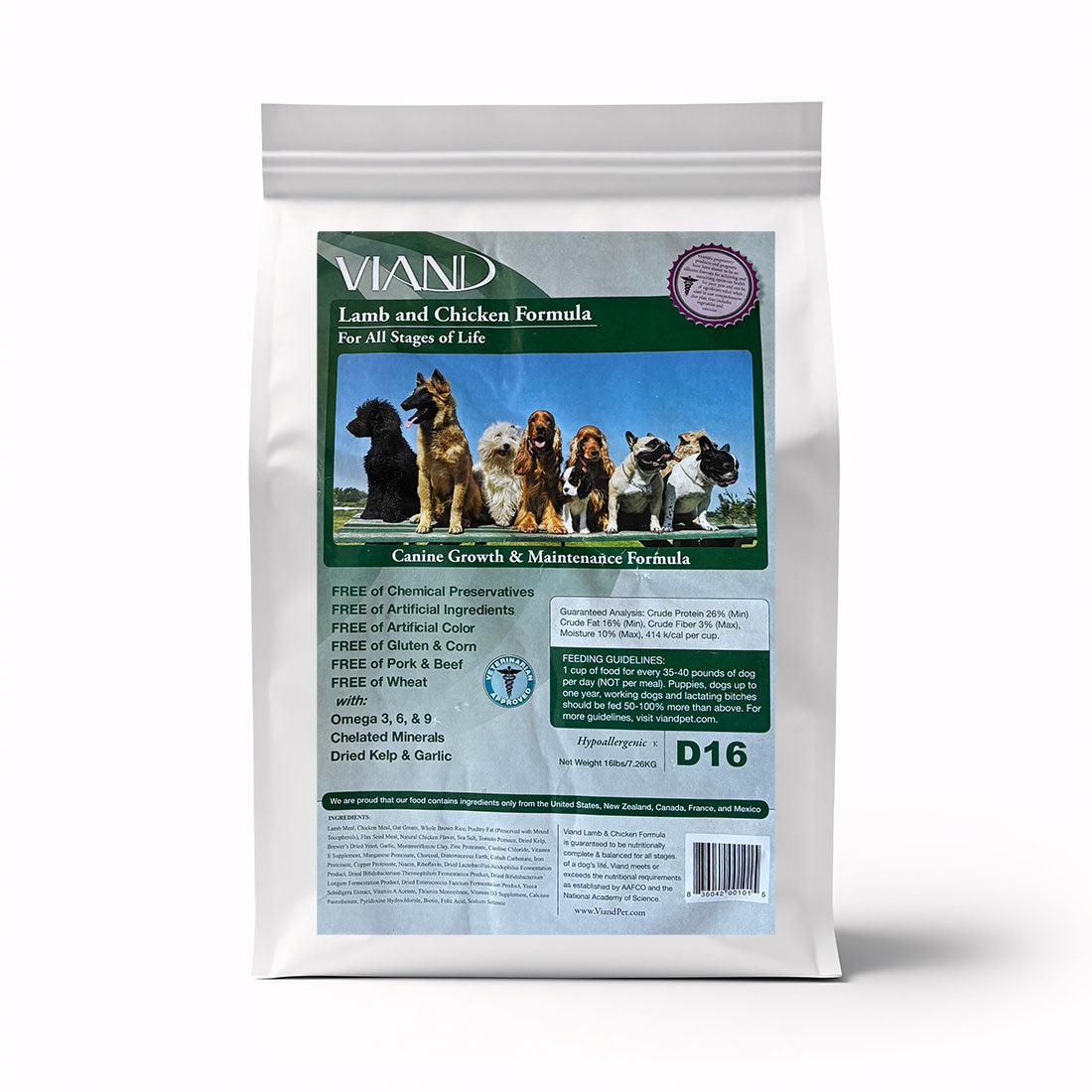
For dogs prone to digestive sensitivity, a consistent, complete diet with digestible animal protein and thoughtfully balanced nutrients provides a steadier foundation than frequent rotation between foods. At ViandPet, we believe feeding less can make sense when a nutrient-dense food meets your dog's needs and portions are tailored carefully. The goal is not simply smaller waste bags. It is comfortable digestion, healthy body condition, and dependable daily energy.
When to Call the Veterinarian
Call your veterinarian promptly if diarrhea lasts more than a day in a puppy, senior dog, or dog with an existing health condition. Adult dogs also need timely care when diarrhea persists beyond 24 to 48 hours, returns repeatedly, or comes with vomiting, lethargy, poor appetite, abdominal pain, fever, or dehydration.
Seek urgent veterinary help for black tarry stool, significant blood, repeated vomiting, a swollen or painful abdomen, collapse, inability to keep water down, or suspected toxin or foreign-object ingestion. Puppies can become dehydrated quickly, and a dog that has eaten a toy, bone, corn cob, or other nonfood item should never be watched casually for signs of blockage.
Bring a fresh stool sample when your veterinarian requests one. A clear record of foods, treats, recent diet changes, medications, travel, and parasite prevention can help them reach an answer faster.
Your dog's stool will not look identical every day, and it does not need to. The useful goal is a familiar pattern supported by consistent nutrition, sensible portions, fresh water, and close observation. When something changes, let the pattern guide your next step - and give your furry friend the attentive care that good digestion deserves.