
· By Admin
Best Dog Food for Picky Eaters: What Works
A dog who sniffs the bowl, takes two bites, and walks away can make every meal feel like a negotiation. Finding the best dog food for picky eaters starts with a useful distinction: some dogs are genuinely selective, while others have learned that refusing dinner may result in something richer arriving a few minutes later.
The answer is rarely to keep changing foods. A well-made, highly digestible diet with appealing animal protein can make a difference, but so can a consistent routine, an appropriate feeding amount, and a close look at your dog's overall health. The goal is not simply to get your furry friend to eat tonight. It is to build a feeding program they can enjoy and thrive on for years.
Why a Dog Becomes a Picky Eater
Dogs can become selective for simple, understandable reasons. Some prefer a particular texture or aroma. Others have been offered frequent table scraps, rich toppers, or a rotation of treats that makes a complete meal seem less exciting by comparison. Small dogs, especially, may appear to eat very little because their calorie needs are lower than owners expect.
A sudden change in appetite deserves more attention. Dental discomfort, nausea, stress, medication, pain, parasites, and underlying illness can all affect a dog's willingness to eat. Senior dogs may have trouble chewing hard food, while puppies can lose interest during teething. If your dog suddenly refuses food, loses weight, vomits, has diarrhea, seems tired, drinks excessively, or shows other unusual behavior, call your veterinarian before assuming the problem is pickiness.
For a healthy dog with a long history of selective eating, the issue is often less about appetite and more about meal expectations. Dogs are excellent observers. If skipping kibble consistently leads to chicken, cheese, or a new bag of food, many dogs will wait for the upgrade.
What the Best Dog Food for Picky Eaters Has in Common
There is no single recipe that appeals to every dog. Still, quality matters because aroma, flavor, digestibility, and how a dog feels after eating all influence whether they return to the bowl. A food that is hard to digest may leave a dog uncomfortable, gassy, or irregular, even if the ingredient panel looks impressive.
Start with a complete and balanced food formulated for your dog's life stage. This means it provides appropriate levels of protein, fat, vitamins, and minerals for daily feeding, rather than serving as a topper or occasional meal. Picky eating should not be solved by relying on incomplete foods that create nutritional gaps over time.
Look for a formula built around recognizable animal-based protein and natural ingredients. Chicken is a familiar, palatable protein for many dogs, though it is not the right choice for every dog, particularly one with a suspected chicken sensitivity. For dogs with recurring itching, ear issues, loose stool, or digestive upset, a simpler hypoallergenic formula without common grain ingredients such as wheat, corn, and gluten may be a more sensible place to start.
Food density matters, too. Nutrient-dense foods generally require smaller portions than low-quality, filler-heavy foods. That can be a relief for dogs that dislike large bowls of food, but it also means owners need to measure carefully. A dog may be eating enough even when the portion looks smaller than what they received on a previous diet. Healthy body condition, stable energy, normal stool, and weight maintenance tell a more useful story than an empty bowl alone.
Do Not Let Toppers Become the Main Course
A small amount of warm water can release the aroma of dry food and soften the texture without changing the nutritional balance. For many picky dogs, that is enough. Let the food sit for a few minutes after adding warm water, then serve it fresh.
If you use a topper, use it with purpose and restraint. A spoonful of an appropriate complete food, a little plain cooked lean meat, or a veterinarian-approved supplement may help during a transition, but the topper should not become a daily substitute for a balanced diet. Rich additions can also create loose stool, excess calories, or a dog who refuses meals without them.
Avoid seasoning food with onion, garlic, salty broth, butter, sauces, or heavily processed human foods. These can upset the digestive system, add unnecessary sodium and fat, or pose a genuine safety concern. A dog's meal does not need to resemble our dinner to be satisfying.
How to Switch Food Without Creating More Fuss
When you have selected a high-quality food, give it a fair chance. Switching from one bag to another every few days can upset digestion and teach your dog to hold out for novelty. Unless your veterinarian recommends a faster transition, change foods gradually over seven to 10 days.
Begin with mostly the current food and a small amount of the new food. Increase the new food every few days while watching stool quality, appetite, skin, and energy. Dogs with sensitive digestion may need a slower transition. A temporary soft stool can happen during any diet change, but persistent diarrhea, vomiting, itching, or discomfort is a reason to pause and consult your veterinarian.
Feed measured meals at consistent times, ideally in a quiet place away from household traffic and other pets. Offer the bowl for about 15 to 20 minutes, then pick it up until the next scheduled meal. Healthy adult dogs generally do well with this structure. It removes the all-day grazing pattern that can make appetite difficult to judge.
Treats count. If your dog receives training treats, dental chews, bites of breakfast, and snacks from family members, they may simply not be hungry at dinnertime. Keep treats modest and make sure everyone in the household understands the plan. Consistency is kinder than a daily battle around the bowl.
Match the Food to the Dog in Front of You
A picky puppy needs different support than a picky senior. Puppies need dependable nutrition for growth and should not go long without eating, particularly toy breeds that may be vulnerable to low blood sugar. Speak with your veterinarian promptly if a puppy refuses meals or seems unwell.
Senior dogs may need a dental check, a softer preparation, or more attention to joint pain and digestive comfort. A large, active dog may reject a food because the serving is too small for their energy needs, while a less active dog may leave food because the portion is too large. Body size alone does not determine the right feeding amount.
Dogs with food sensitivities require even more patience. Constantly introducing new proteins and toppers can make it harder to identify what is causing a reaction. Choose a clear, consistent formula, keep extras simple, and give the program time. Skin and coat improvements, stool consistency, and steady appetite often take weeks rather than days.
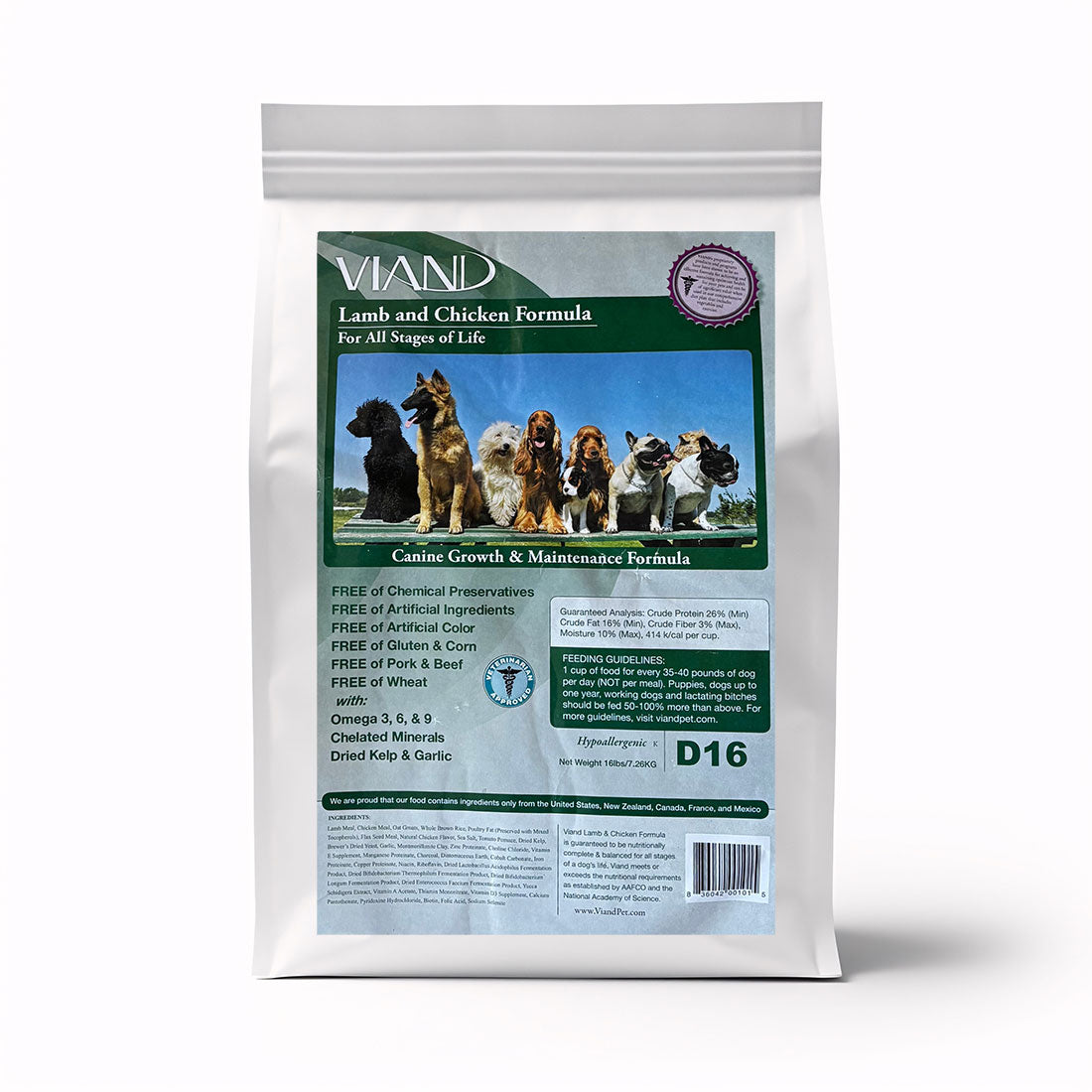
ViandPet's approach is built around nutrient-dense, veterinarian-approved nutrition that supports digestion and everyday wellness without relying on corn, wheat, gluten, or unnecessary fillers. For many selective dogs, feeding less of a satisfying, highly digestible food is more practical than filling the bowl with a larger volume of food they do not enjoy.
When Pickiness Is Not Really Pickiness
A dog that has always eaten lightly but maintains a healthy weight and normal behavior may simply be self-regulating. A dog that suddenly stops eating is different. Contact your veterinarian promptly if refusal lasts more than a day for an adult dog, or sooner for puppies, seniors, dogs with chronic conditions, or dogs showing signs of illness.
Watch for clues beyond the bowl: bad breath, chewing on one side, pawing at the mouth, weight loss, changes in thirst, constipation, diarrhea, vomiting, coughing, or a reluctance to move. Food refusal is sometimes the first visible sign that something else needs care.
The best feeding plan is not the one with the most dramatic aroma or the longest list of add-ons. It is the one your dog can eat consistently, digest comfortably, and use to maintain a healthy body, bright eyes, a good coat, and dependable energy. Give a thoughtful food and a calm routine enough time to work, then let your dog's condition guide the next decision.