

· By Admin
A Practical Holistic Dog Health Guide for Life
A shiny coat can be encouraging, but it is only one piece of the picture. Your dog’s daily stool quality, appetite, mobility, breath, energy, sleep, and comfort often reveal more about how well their body is being supported. This holistic dog health guide focuses on the practical habits that help you notice those signals early and make thoughtful choices for the long haul.
Holistic care does not mean replacing veterinary medicine with a trendy ingredient or a complicated home routine. It means looking at the whole dog: nutrition, digestion, movement, emotional well-being, preventive veterinary care, and the home environment. The goal is simple - give your furry friend the consistent foundation needed to thrive at every life stage.
Start With Nutrition That Works Harder
Food is the daily decision with the widest reach. A complete and balanced diet provides the protein, fats, vitamins, minerals, and calories your dog needs, but ingredient quality and digestibility influence how efficiently those nutrients are used.
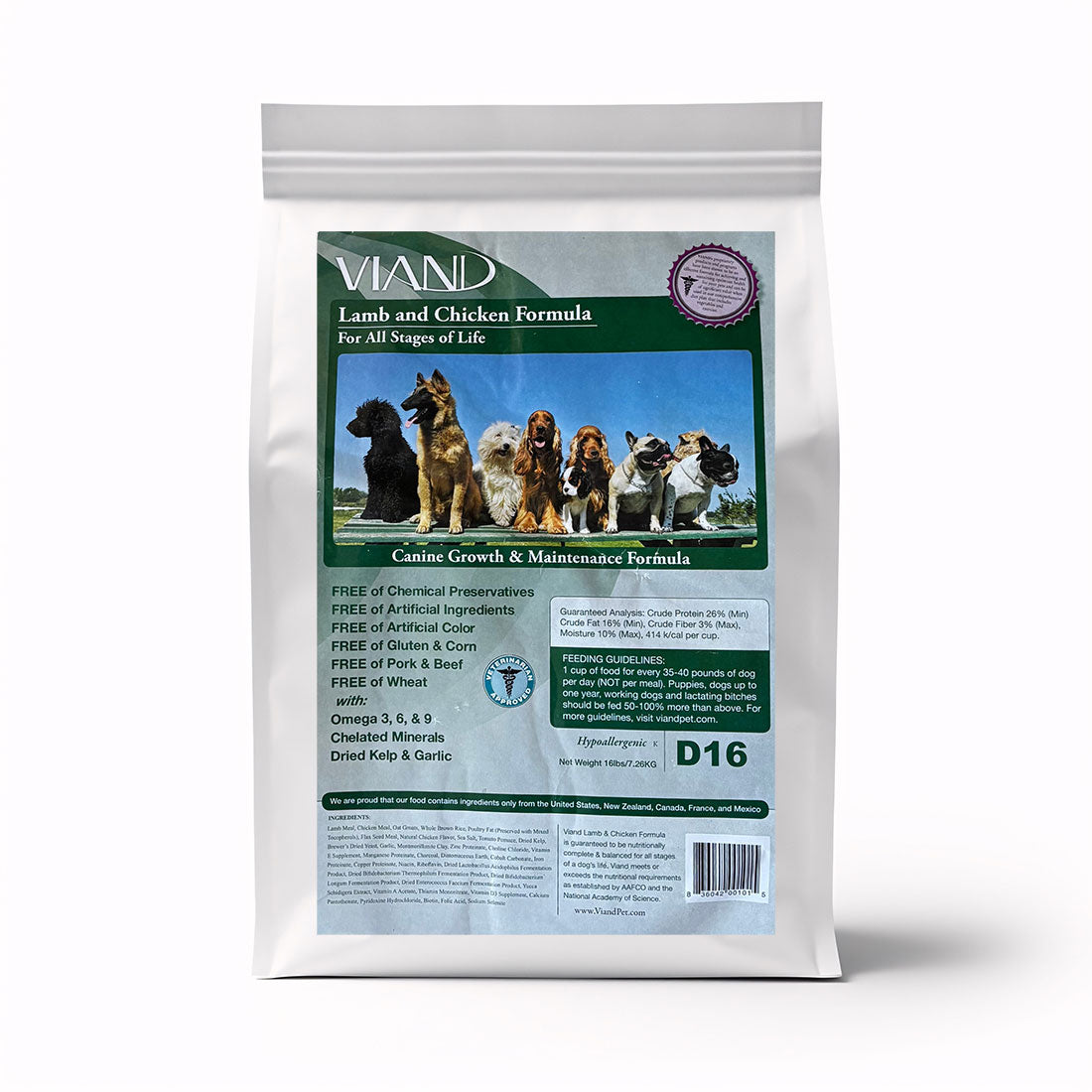
Look beyond a flashy front label. A thoughtful diet should have clearly identified animal protein, appropriate fat levels, and a formula that fits your dog’s age, size, activity level, and sensitivities. Many dogs do well with food that avoids common fillers such as corn, wheat, and gluten, particularly when recurring itching, ear irritation, or loose stool suggests a food sensitivity. Still, a grain-free or limited-ingredient label is not automatically the right answer for every dog. The individual response matters.
High digestibility can make a practical difference. When a nutrient-dense food is well utilized, dogs may need a smaller feeding volume than they would with a lower-quality, bulkier formula. That can mean less waste, more consistent stools, and easier portion control. Measure meals rather than guessing, and use your dog’s body condition - not appetite alone - to guide adjustments.
Feed the Dog in Front of You
Recommended feeding charts are starting points, not rules. A young, active dog in a cold climate may need more calories than the chart suggests, while a sedentary senior or a dog recovering from spay or neuter may need less. Check your dog from above and from the side: you should be able to feel the ribs with light pressure, see a visible waist, and notice an abdominal tuck.
Make food transitions gradually over seven to 10 days. Start by mixing a small amount of the new food into the old, then increase it slowly. A sudden switch can upset even a healthy digestive system and makes it harder to tell whether a new formula truly agrees with your dog.
Treats count, too. Keep extras modest and choose simple, meat-conscious treats when possible. If training requires frequent rewards, use small pieces and reduce meal portions accordingly. Healthy feeding is about the complete daily intake, not just what is in the bowl.
Support Digestion Before Problems Become Routine
Digestive health affects far more than cleanup duty. A dog who digests food comfortably is more likely to absorb nutrients well, maintain a healthy weight, and feel steady throughout the day.
Normal stool varies somewhat, but ongoing diarrhea, straining, excessive gas, mucus, repeated vomiting, or dramatic changes in appetite deserve attention. A single upset stomach after scavenging is different from a pattern that keeps returning. Keep a simple note of food changes, treats, medications, stressful events, and stool changes. That record is useful when speaking with your veterinarian.
Consistent meal times, fresh water, sensible portions, and a diet that agrees with your dog are the basics. Some dogs may benefit from targeted digestive support, such as a veterinarian-recommended probiotic or digestive supplement, especially during diet transitions, travel, antibiotic use, or periods of stress. Supplements should complement a quality diet, not cover up chronic symptoms that need an exam.
A Holistic Dog Health Guide for Skin, Coat, and Comfort
Skin and coat concerns are among the most visible reasons owners reconsider a dog’s diet. Dull fur, flaking, licking paws, recurring ear trouble, or persistent scratching can have several causes, including parasites, seasonal allergens, infection, grooming products, and food sensitivities. Nutrition is one piece of the investigation, not the only explanation.
Dietary protein supports skin structure and coat growth, while balanced fats help maintain the skin barrier. Essential fatty acids can be valuable for dogs with dry skin or lackluster coats, but the correct amount depends on the dog’s total diet and health history. Too much of any oil can add unnecessary calories and may cause digestive upset.
Start with the basics: reliable flea and tick prevention, regular brushing, gentle bathing when needed, and a diet made with ingredients your dog tolerates. If itching is intense, the skin is red or smelly, or ear infections recur, seek veterinary care rather than rotating foods indefinitely. A clear diagnosis saves time and discomfort.
Make Movement and Rest Part of the Feeding Plan
Exercise is not only about burning calories. Daily movement supports joints, muscle tone, digestion, confidence, and mental health. The right amount depends on breed, age, weather, orthopedic health, and personality. A young sporting dog may need structured activity and training in addition to walks. A senior dog may do better with several shorter, lower-impact outings.
Pay attention to recovery. Panting that settles, a willingness to move the next day, and relaxed sleep are reassuring signs. Limping, stiffness after rest, reluctance to climb stairs, or difficulty getting up are signals to adjust activity and consult your veterinarian. Pushing through pain is not conditioning.
Mental exercise matters, too. Sniff walks, gentle training sessions, food puzzles, and calm social time can reduce boredom-driven behaviors. For dogs who eat too quickly, a slow feeder or puzzle bowl can turn mealtime into a more satisfying, slower-paced activity.
Rest completes the cycle. Dogs need quiet, predictable places to sleep, especially puppies, seniors, and dogs living in busy households. Stress can show up as poor sleep, digestive changes, reactivity, or compulsive licking. A regular routine often helps more than owners expect.
Use Supplements With a Specific Purpose
Supplements can be helpful when they address a defined need. Joint formulas may suit aging dogs or breeds prone to mobility concerns. Omega fatty acids may support skin, coat, and inflammatory balance. Probiotics may be useful for selected digestive challenges. Multivitamins may have a place in certain situations, but they are not a substitute for complete food.
More is not better. Combining several products without checking labels can lead to duplicated nutrients or excess calories. Before adding anything, ask what outcome you are trying to support and how you will know whether it is helping. Discuss supplements with your veterinarian if your dog takes medications, has pancreatitis, kidney disease, allergies, or another diagnosed condition.
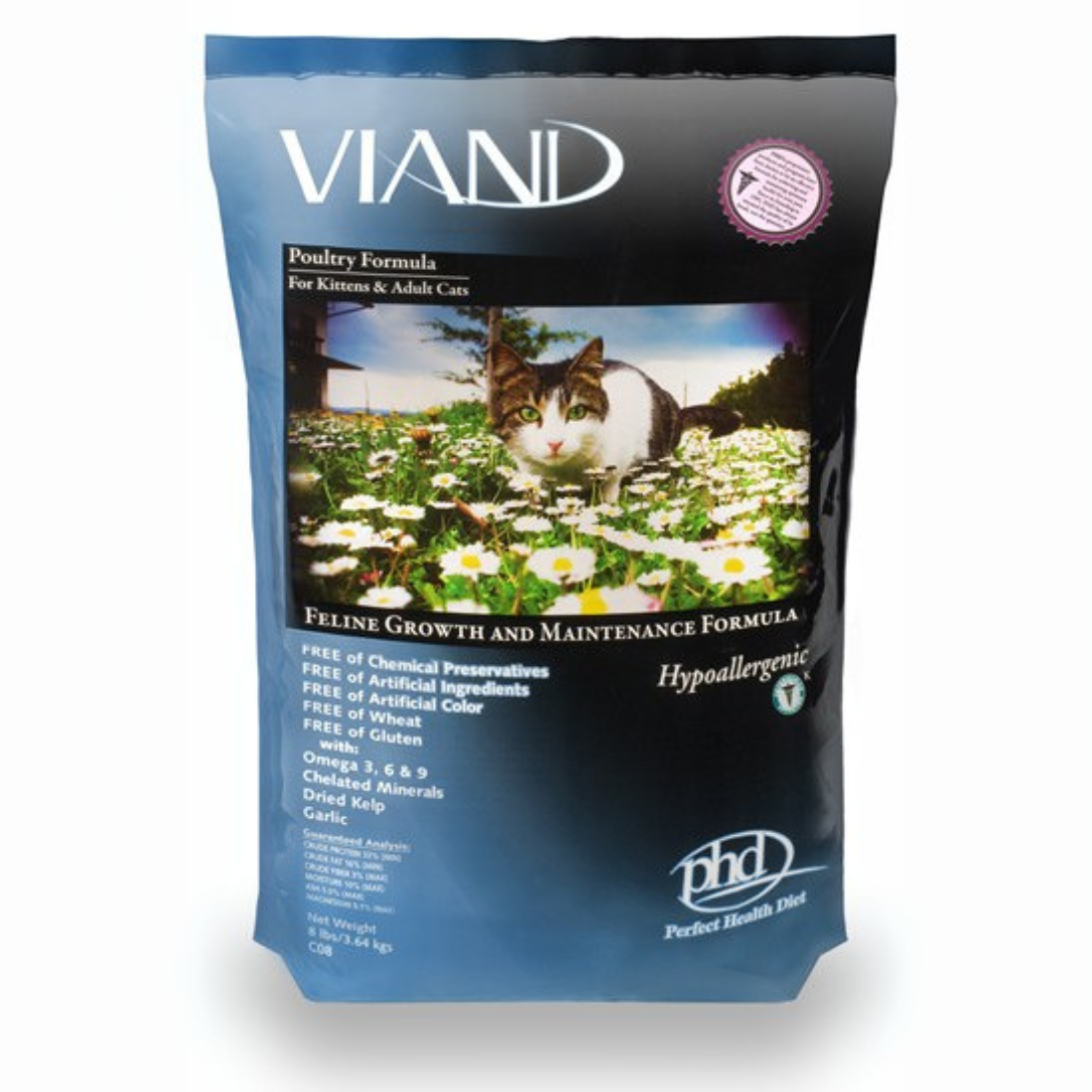
At ViandPet, we believe targeted nutrition works best when it is paired with consistent feeding, realistic portions, and close observation of the dog in front of you.
Keep Preventive Care in the Picture
A holistic approach includes conventional preventive care because early detection protects quality of life. Maintain routine veterinary exams, dental care, parasite prevention, and recommended vaccines based on your veterinarian’s guidance and your dog’s lifestyle.
At home, get familiar with what is normal for your dog. Once a month, check body weight or body condition, ears, teeth, skin, paws, and nails. Notice changes in water intake, urination, appetite, behavior, or stamina. Small shifts can be meaningful, particularly in older dogs.
Avoid the temptation to treat every symptom with a supplement, detox, or online remedy. Sudden bloating, repeated vomiting, collapse, difficulty breathing, inability to urinate, black stools, seizures, or suspected toxin exposure require prompt veterinary attention.
Build Habits You Can Actually Maintain
The best wellness plan is not the most elaborate one. It is the one your household can follow week after week. Choose a quality food, measure it consistently, provide clean water, move your dog daily, keep preventive appointments, and respond to changes before they become normal.
Your dog does not need perfection from you. They need steady care, good nourishment, and an owner who pays attention. Those ordinary choices, repeated over a lifetime, are where healthier days begin.