
· By Admin
Why Dogs Eat Less Food: When to Watch Closely
A bowl that is not empty at dinner can make even experienced dog owners uneasy. Yet why dogs eat less food is not always a sign that something is wrong. A dog may need fewer cups because the food is more calorie-dense and digestible, because activity has changed, or because age and body condition have shifted. The key is to look beyond the bowl and assess the whole dog.
A healthy appetite is useful information, but it is only one piece of the picture. Energy, stool quality, water intake, body weight, behavior, and any new symptoms help tell the difference between a sensible adjustment and a problem that needs veterinary attention.
Why Dogs Eat Less Food Than the Bag Suggests
Feeding charts are starting points, not rules. Most are deliberately broad because a 40-pound dog can have very different needs depending on age, breed, metabolism, lifestyle, weather, and whether that dog needs to gain, lose, or maintain weight.
Food quality matters, too. A highly digestible, nutrient-dense formula supplies more usable nutrition in each cup than a lower-quality food built around inexpensive fillers. When a dog is getting complete nutrition from a concentrated food, smaller portions can be normal. This is the practical idea behind feeding less without feeding inadequately.
Compare calories, not just scoop size. If a previous food contained 320 calories per cup and a new food contains 450, the same volume would represent a substantial calorie increase. Owners sometimes worry that their dog is eating less after a change, when the dog is simply self-regulating on a richer food.
A dog at a healthy weight should have a visible waist when viewed from above and an abdominal tuck from the side. You should be able to feel the ribs with light pressure, not see every rib sharply or need to press through a thick layer of fat. Those hands-on checks are often more useful than a clean bowl.
Normal Reasons a Dog May Eat Less
A change in routine can soften appetite for a day or two. Less exercise, hot weather, travel, boarding, visitors, a move, or a disruption in household schedules can all affect eating. Some dogs are also naturally lighter eaters than others, particularly once they reach adulthood and their rapid growth period is over.
Puppies often eat enthusiastically because growing bodies need frequent fuel. As growth slows, their appetite may look less dramatic. Senior dogs can need fewer calories as activity declines, although a sudden drop in appetite in an older dog deserves more caution because dental disease, pain, and medical conditions become more common with age.
Treats, chews, table scraps, and food-filled toys count. A large dental chew or several training treats can quietly replace a meaningful part of a small dog's daily calorie allowance. A dog that turns down dinner after receiving extras may not be picky at all - he may simply be full.
Some dogs also prefer a predictable feeding environment. A busy kitchen, another pet crowding the bowl, a new bowl location, or pressure from an owner encouraging every bite can make meals less appealing. Offer meals in a calm place, then pick up the bowl after about 15 to 20 minutes. This helps establish a routine without turning eating into a negotiation.
A diet transition can temporarily affect appetite
When changing foods, transition gradually over seven to 10 days. Start with a small amount of the new food mixed into the old, then increase it slowly. Even a well-formulated food can cause temporary digestive changes if introduced too quickly.
If your dog seems reluctant after a switch, do not immediately add a parade of toppers. Repeatedly changing the bowl can teach a healthy dog to wait for something more exciting. First, confirm the portion is appropriate, the food has been stored properly, and the transition was gradual. A small amount of warm water can enhance aroma without adding unnecessary calories.
When Reduced Eating Can Signal a Problem
A dog that skips one meal but remains bright, comfortable, hydrated, and interested in normal activities may be having an off day. A dog that refuses food for more than 24 hours, however, should be discussed with a veterinarian. Puppies, toy breeds, diabetic dogs, and dogs with known medical conditions may need faster guidance.
Call your veterinarian promptly if reduced appetite comes with vomiting, diarrhea, repeated gagging, bloating, a painful or tight abdomen, lethargy, fever, trouble breathing, excessive thirst, reduced urination, yellow gums or eyes, or obvious pain. These signs are not situations to solve by changing kibble or offering more treats.
Mouth discomfort is another common but overlooked reason dogs eat less. A dog may approach the bowl eagerly, then back away, chew on one side, drop food, paw at the mouth, or prefer soft foods. Broken teeth, inflamed gums, oral growths, and other dental problems can make dry food difficult to eat.
Medication can also affect appetite. If your dog started a new prescription, supplement, flea and tick preventive, or other product around the time eating changed, tell your veterinarian. Do not stop prescribed medication without professional direction.
Check Portions Before Assuming Your Dog Is Under-Eating
Use an actual measuring cup or kitchen scale rather than estimating by eye. Then calculate the total daily food, including treats and chews, and divide it into the number of meals you offer. For many adult dogs, two measured meals create a steady routine and make appetite changes easier to spot.
Weigh your dog regularly under similar conditions. A stable body weight, good muscle tone, normal stool, and consistent energy are reassuring signs, even if the bowl is not always licked clean. Unplanned weight loss is different. If ribs become more prominent, the waist grows too narrow, or your dog loses weight despite eating, schedule a veterinary exam.
It is also worth reviewing whether the food matches your dog's life stage and needs. An active young dog, a sedentary senior, a dog recovering from illness, and a dog with food sensitivities should not necessarily receive the same formula or portion. Complete, balanced nutrition and digestibility matter more than feeding the largest possible volume.
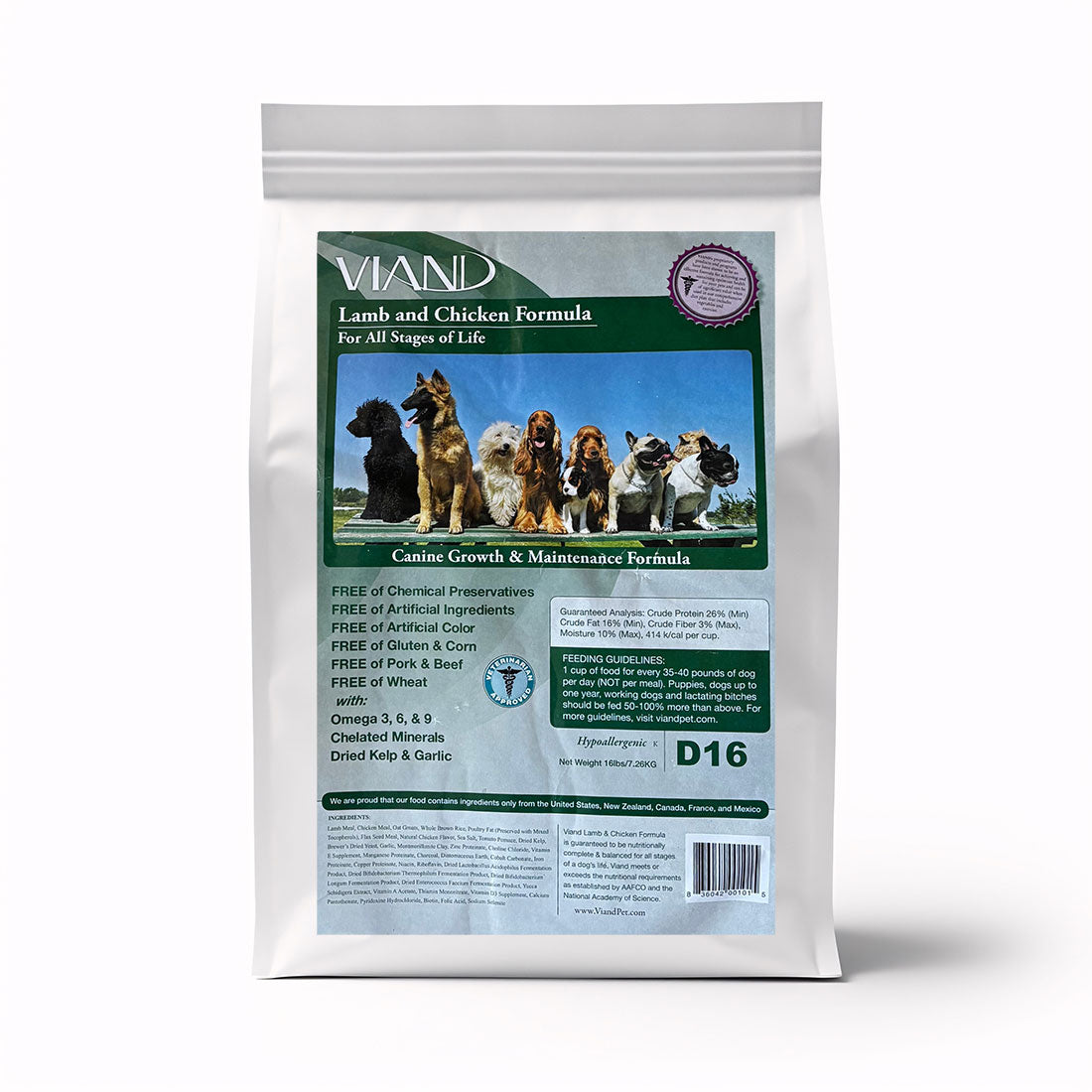
ViandPet's nutrient-dense approach is built around that principle: a measured portion of complete food can support daily wellness without relying on excess filler or oversized servings. Feed less only when the food's calorie density, your dog's body condition, and your veterinarian's guidance support it.
What to Do at Home
Keep a simple three-day record before making major changes. Note how much food is offered and eaten, treats, water intake, stool, activity, medications, and any symptoms. This gives your veterinarian useful detail and helps you notice patterns, such as skipped breakfasts after late-night chews or poor appetite only on stressful days.
Avoid free-feeding when you are trying to evaluate appetite. Leaving food down all day makes it difficult to know how much your dog actually consumed, and it can be especially unhelpful in multi-pet homes. Fresh water should always remain available.
Do not force-feed a dog that is nauseated, painful, or refusing food. And resist the temptation to use fatty people food to tempt an appetite, since it can worsen digestive upset and complicate the picture. If your veterinarian recommends temporarily encouraging intake, ask which foods and amounts are appropriate for your individual dog.
Your dog's bowl is a daily wellness check, not a test of whether you are a good pet owner. Measure the portion, watch the dog rather than the empty dish, and act quickly when reduced eating is paired with illness, pain, or weight loss. A calm observation today can lead to a better feeding plan tomorrow - and more comfortable, energetic days for your furry friend.