

· By Admin
What Clean Label Dog Food Should Really Mean
The front of a dog food bag can make almost any recipe sound wholesome. Words like natural, simple, premium, and clean may catch your eye, especially when your dog has itchy skin, inconsistent stools, or a coat that has lost its shine. But clean label dog food is only useful when the ingredient panel and nutritional adequacy statement support the promise.
For thoughtful pet owners, the goal is not to find the prettiest package or the shortest ingredient list. It is to choose a food your dog can digest well, maintain a healthy weight on, and eat consistently over time. A clean label can be part of that decision, but it should never replace a closer look at what is actually in the bowl.
What Does Clean Label Dog Food Mean?
Unlike some regulated label terms, “clean label” does not have one official legal definition in pet food. Brands may use it to describe foods made with recognizable ingredients, fewer artificial additives, or recipes that avoid certain grains, fillers, colors, or preservatives. Those can be meaningful standards, but the phrase itself does not guarantee nutritional quality.
A useful clean label approach starts with transparency. You should be able to identify the primary protein source, understand the role of major ingredients, and find a clear statement that the food is complete and balanced for your dog’s life stage or intended use. A recipe can contain ingredients you recognize and still be poorly balanced, too rich for your dog, or difficult for them to digest.
The better question is not, “Is this label clean?” Ask, “Is this a thoughtfully formulated food that gives my dog what they need without unnecessary extras?” That shift helps move the conversation from marketing language to practical health.
What to Look for Beyond a Simple Ingredient List
Ingredients matter, especially for dogs with sensitivities, but they need context. The first few ingredients tell you what makes up much of the formula by weight before processing. A named animal protein, such as chicken or turkey, provides more useful information than a vague term like “meat.” If your dog has a known sensitivity, clear protein identification also makes it easier to avoid ingredients that have caused problems before.
Avoiding wheat, gluten, and corn may be helpful for some dogs and may align with your feeding preferences. Still, grain-free is not automatically better, and grains are not automatically a problem. Many dogs do very well with quality grains. The right choice depends on your individual dog’s digestion, medical history, activity level, and the overall formulation.
A clean label should also make room for nutritional precision. Dogs require essential amino acids, fatty acids, vitamins, and minerals in reliable amounts. Whole-food ingredients can contribute valuable nutrition, but a complete diet must be balanced with the full nutrient profile in mind. That is why the nutritional adequacy statement matters as much as the ingredient panel.
Look for a food that is labeled complete and balanced for your dog’s appropriate life stage. Puppies, adults, seniors, and pregnant or nursing dogs do not have identical needs. Large-breed puppies deserve particular care because excess calories or improperly balanced minerals can affect healthy development.
Digestibility Is Part of Ingredient Quality
A food can look excellent on paper yet fail the real-world test if your dog cannot digest it comfortably. Digestibility affects how much of the nutrition your dog can use, how much food they need each day, and what comes out the other end.
Well-formed stools, steady energy, a healthy coat, and stable body condition are practical signs that a feeding program is working. They are not overnight guarantees, and they do not diagnose health conditions. But they are useful observations to bring to your veterinarian or to use when assessing whether a new food agrees with your dog.
Highly digestible, nutrient-dense foods may call for smaller feeding portions than lower-quality, bulkier formulas. That can surprise owners who are used to filling a large scoop. Feed Less. Save. only works when you measure portions carefully and adjust them to your dog’s body condition, age, activity, and treats.
Ingredients That Deserve a Second Look
There is no need to fear every ingredient with a long name. Vitamins and minerals often have scientific names because they are added to ensure nutritional completeness. A clean label is not the same as an ingredient list stripped of every nutrient supplement.
Instead, pay attention to whether the formula relies heavily on vague ingredients, artificial colors, or flavoring systems that do not add meaningful nutritional value. If a brand makes a strong health claim but does not clearly explain its formula, sourcing, or feeding purpose, caution is reasonable.
It is also wise to be careful with broad promises such as “cures allergies” or “works for every dog.” Food sensitivities and skin concerns can have many causes, including environmental allergies, parasites, infections, and underlying medical conditions. Nutrition is a powerful foundation for wellness, but it is not a substitute for veterinary care when symptoms are persistent, severe, or sudden.
For dogs with recurring digestive upset or suspected food reactions, simpler formulas with clearly named proteins can make feeding easier to manage. Introduce one change at a time. Switching food, adding several supplements, and changing treats in the same week makes it difficult to know what helped or what caused a setback.
How to Choose a Food for Your Dog, Not the Trend
Start with your dog’s current condition. A young, active dog, a sedentary senior, and a dog recovering from digestive trouble should not necessarily eat the same recipe or portion. Consider your dog’s age, weight, activity level, stool quality, skin and coat, appetite, and any veterinarian-guided dietary needs.
Then read the feeding guidance as a starting point, not a fixed rule. Measure food rather than estimating by cup, and reassess after a few weeks. If your dog is gaining unwanted weight, reduce portions gradually. If they are losing weight or seem unusually hungry, review their calorie intake and consult your veterinarian before making major changes.
When changing foods, transition gradually over seven to 10 days. Begin with a small amount of the new food mixed into the old, then increase the new food slowly. Dogs with sensitive digestion may need an even slower transition. A rushed switch can create loose stools that make a perfectly suitable food seem like the wrong choice.
Treats count, too. Training treats, table scraps, chews, and supplements can add significant calories or introduce proteins that complicate an elimination diet. Keep extras purposeful and account for them in the daily feeding plan.
Clean Labels Work Best With Consistent Feeding
The most valuable dog food label is one that helps you feed with confidence over the long term. That means transparent ingredients, complete nutrition, appropriate calorie density, and a formula your dog tolerates well. It also means resisting the urge to change foods every time a new trend appears.
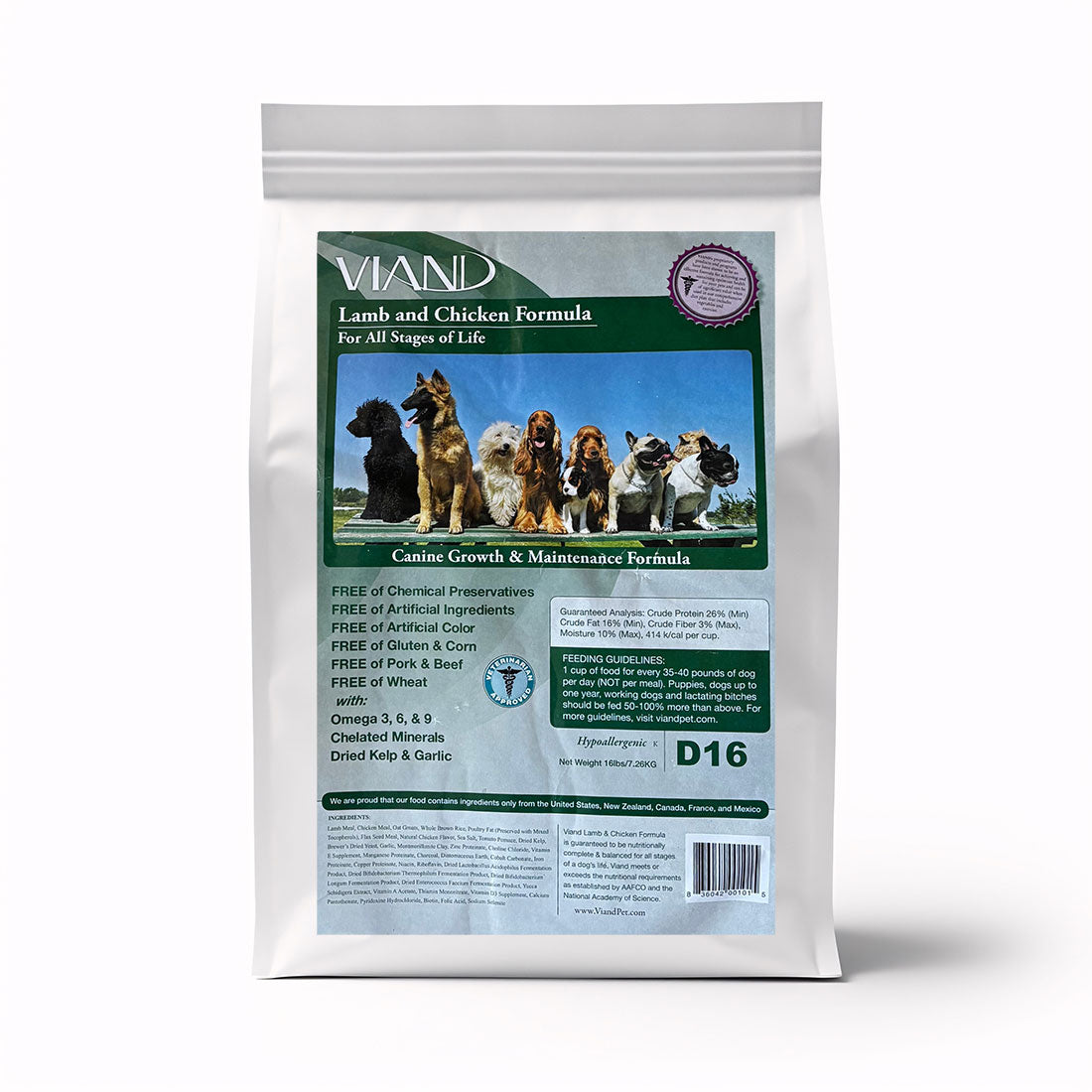
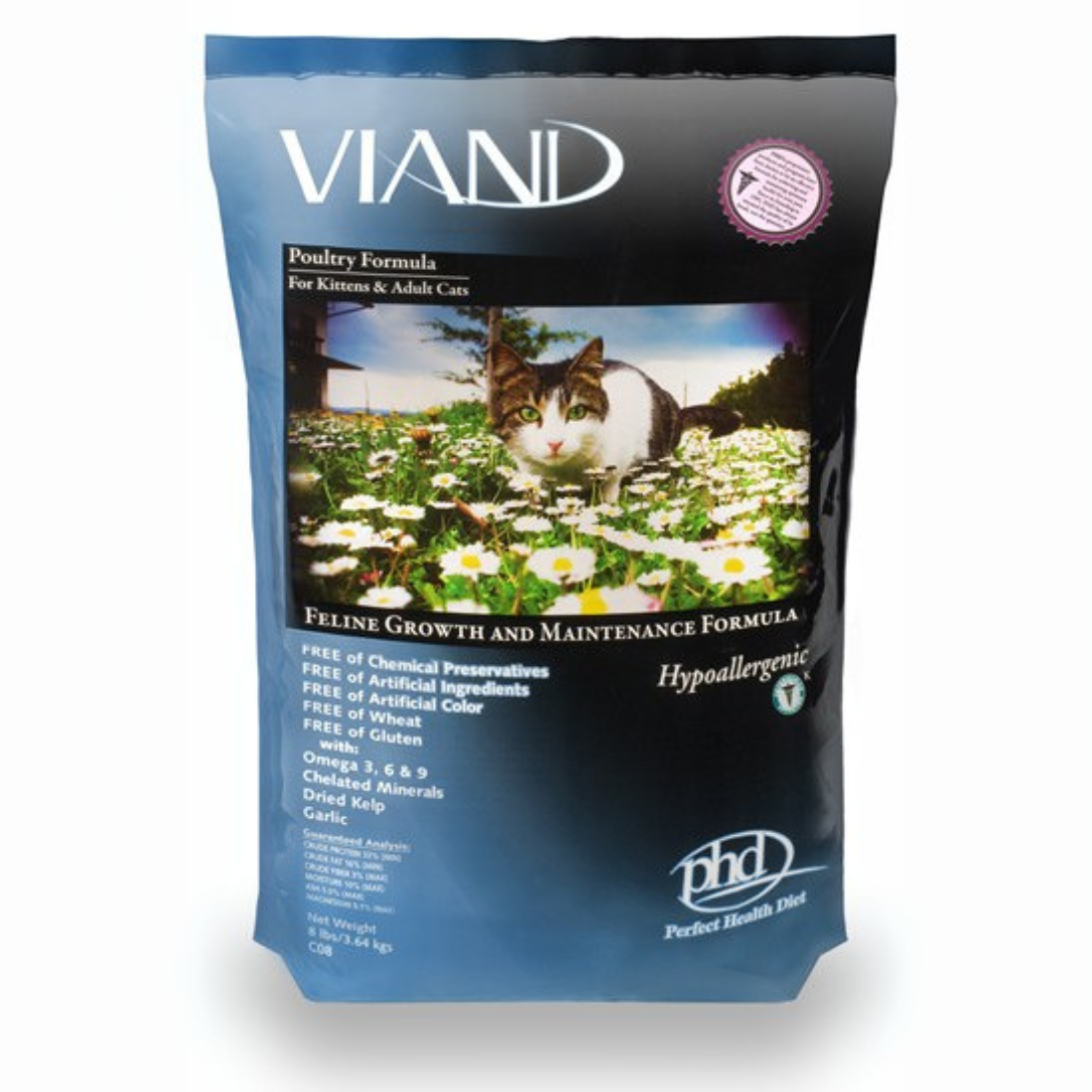
At ViandPet, we believe natural, meat-conscious nutrition should be practical as well as thoughtful. A quality diet is not measured by a fashionable phrase on the bag. It is measured by how clearly it is formulated, how well it supports digestion and daily vitality, and whether it fits your dog’s needs year after year.
Choose a food with standards you can understand, feed the right portion consistently, and pay attention to the small signs your dog gives you every day. A bright-eyed greeting, a comfortable belly, and a healthy-looking coat often say more than the boldest claim on the package.