

· By Admin
How to Choose Dog Supplements for Your Dog
A soft coat, comfortable movement, regular stools, and steady energy usually begin with a complete, highly digestible diet. Supplements can provide focused nutritional support, but they should not become a substitute for good daily food or a guesswork solution for every change you notice. Knowing how to choose dog supplements starts with identifying what your dog truly needs, then selecting a product with a clear purpose and ingredients you can understand.
The best supplement for one dog may be unnecessary for another. A young, active dog eating a balanced diet has different needs than a senior who is slowing down on the stairs, or a dog with recurring skin irritation and sensitive digestion. Start with your dog, not the trend.
Start With the Foundation: Food, Health, and Life Stage
Before adding a supplement, look closely at the bowl. A nutrient-dense, complete dog food made with quality animal protein and digestible ingredients provides the baseline vitamins, minerals, amino acids, and fatty acids your dog needs each day. When a dog is fed a balanced food at the right portion, supplements can be used more thoughtfully for targeted support.
If your dog is eating poorly, losing weight, vomiting, having ongoing diarrhea, drinking excessively, or showing sudden behavior changes, do not try to solve the problem with a supplement first. Those signs deserve a conversation with your veterinarian. A supplement can support wellness, but it cannot diagnose disease or replace needed medical care.
Life stage also matters. Puppies are growing quickly, and adding extra calcium, vitamins, or minerals without guidance can create nutritional imbalances, especially in large-breed puppies. Adult dogs may benefit from a focused product when there is a clear need, such as seasonal skin dryness or occasional digestive upset. Senior dogs often need closer attention to joint comfort, cognitive function, appetite, and digestive regularity, but the right choice still depends on their diet, medications, activity level, and veterinary history.
How to Choose Dog Supplements by Need
Choose a supplement to address one primary goal. Products that promise to fix joints, allergies, digestion, anxiety, immunity, teeth, and aging all at once can make it difficult to know what your dog is receiving and whether it is helping. A targeted approach is easier to evaluate and easier on your dog’s system.
Joint and mobility support
Dogs that hesitate before jumping, seem stiff after resting, or take longer to rise may benefit from joint-focused nutrition. Look for formulas that clearly identify active ingredients and their amounts, rather than relying on broad phrases such as “joint blend.” Common ingredients include glucosamine, chondroitin, green-lipped mussel, MSM, and omega-3 fatty acids. Each has a different role, and a veterinarian can help determine whether a nutritional product is appropriate for your dog’s condition.
Keep expectations realistic. Joint supplements generally support comfort and cartilage health over time; they are not a quick replacement for weight management, appropriate exercise, pain control, or veterinary treatment. For an overweight dog, even modest weight loss can reduce stress on the joints and may be as meaningful as the supplement itself.
Skin and coat support
Dry, flaky skin and a dull coat can stem from many causes, including food sensitivity, parasites, environmental allergies, grooming products, or an underlying health issue. Omega-3 fatty acids from marine sources are often used to support skin moisture, coat quality, and a healthy inflammatory response. Some formulas also include vitamin E, which may help protect fats from oxidation.
The source and freshness of oils matter. Fish oils can become rancid if they are poorly manufactured or stored. Choose a product with clear handling instructions, use it before its expiration date, and keep it as directed. If itching, ear irritation, redness, or hair loss is persistent, seek veterinary guidance instead of layering on multiple skin products.
Digestive support
A dog with occasional loose stool, gas, or changes during travel may benefit from digestive support. Probiotics provide beneficial microorganisms, while prebiotics are fibers that help nourish those organisms. Digestive enzymes may be useful in specific situations, but they are not necessary for every dog and should not be used to cover up a food that simply does not agree with your pet.
For probiotics, look for the strains listed on the label and a guaranteed amount through the expiration date, not only at the time of manufacture. Introduce digestive products gradually. Even helpful fibers and probiotics can cause temporary gas or stool changes when added too quickly.
General wellness and aging support
A daily multivitamin may be useful for a dog with a restricted home-prepared diet when formulated under veterinary direction, or for certain dogs with specific nutritional needs. For dogs eating a complete and balanced commercial food, adding a broad multivitamin “just in case” can be unnecessary and occasionally excessive.
Senior wellness products may include antioxidants, omega fatty acids, or nutrients intended to support normal brain, eye, and immune function. Here, simplicity is an advantage. Pick the concern you are trying to support, use one well-formulated product, and track what changes over several weeks.
Read the Label Like It Matters
A polished package is not proof of a quality supplement. Turn it over and read the details. You should be able to identify the active ingredients, the amount per chew, scoop, or capsule, the intended dog size, and the daily feeding directions. If a label hides everything inside a proprietary blend, you cannot confirm whether your dog is receiving a meaningful amount of each ingredient.
Also check the inactive ingredients. Dogs with sensitivities may react to unnecessary flavorings, fillers, or common protein sources. For owners managing food sensitivities, a shorter ingredient list can make it easier to avoid a trigger and pinpoint the cause if a reaction occurs.
Look for a manufacturer that provides a lot number, expiration date, contact information, and sensible storage guidance. Quality-minded companies are willing to explain what is in their products and how they are made. Veterinarian approval and appropriate quality testing add reassurance, but no label claim should take the place of careful feeding and observation.
Avoid products that use dramatic medical promises. Phrases such as “cures arthritis,” “eliminates allergies,” or “reverses disease” are warning signs. Responsible supplements are described in terms of nutritional support, not guaranteed cures.
Consider Safety Before You Add Anything
More is not better with supplements. Fat-soluble vitamins can build up in the body, and minerals can interfere with one another when used inappropriately. Some herbs and concentrated ingredients may interact with prescription medications. This is particularly relevant for dogs taking blood thinners, anti-inflammatory drugs, seizure medications, heart medications, or insulin.
Tell your veterinarian about every supplement, treat, oil, powder, and chew your dog receives. Bring the label or take a clear photo of it. This simple habit helps prevent duplicate ingredients, such as giving multiple products that each contain omega-3s, turmeric, or a multivitamin blend.
Pregnant or nursing dogs, puppies, dogs with kidney or liver concerns, and dogs scheduled for surgery need extra caution. In these cases, a veterinarian should guide supplement decisions from the start.
Introduce One Change at a Time
When you find a suitable product, begin slowly if the label and your veterinarian allow it. Start with a partial serving for several days, then work toward the recommended amount while monitoring stools, appetite, itching, energy, and comfort. Introducing several new products at once may feel proactive, but it makes it nearly impossible to identify what helped or what caused a problem.
Give most nutritional supplements time. Skin and coat changes may take a month or more because hair growth is gradual. Mobility support can require several weeks of consistent use. Digestive products may show effects sooner, although that does not mean every stool change is caused by the supplement.
Keep a simple note on your phone with the start date, product, serving size, and observations. Photos can be especially useful for tracking coat condition, skin redness, body shape, and mobility. If you see vomiting, diarrhea, swelling, hives, marked lethargy, or worsening symptoms, stop the product and contact your veterinarian.
Make Supplements Part of a Sensible Feeding Plan
Supplements work best when they fit into a consistent routine. Give them with meals when recommended, measure servings accurately, and account for calories from chews and oils. This matters for dogs who need weight control, because small extras can quietly add up.
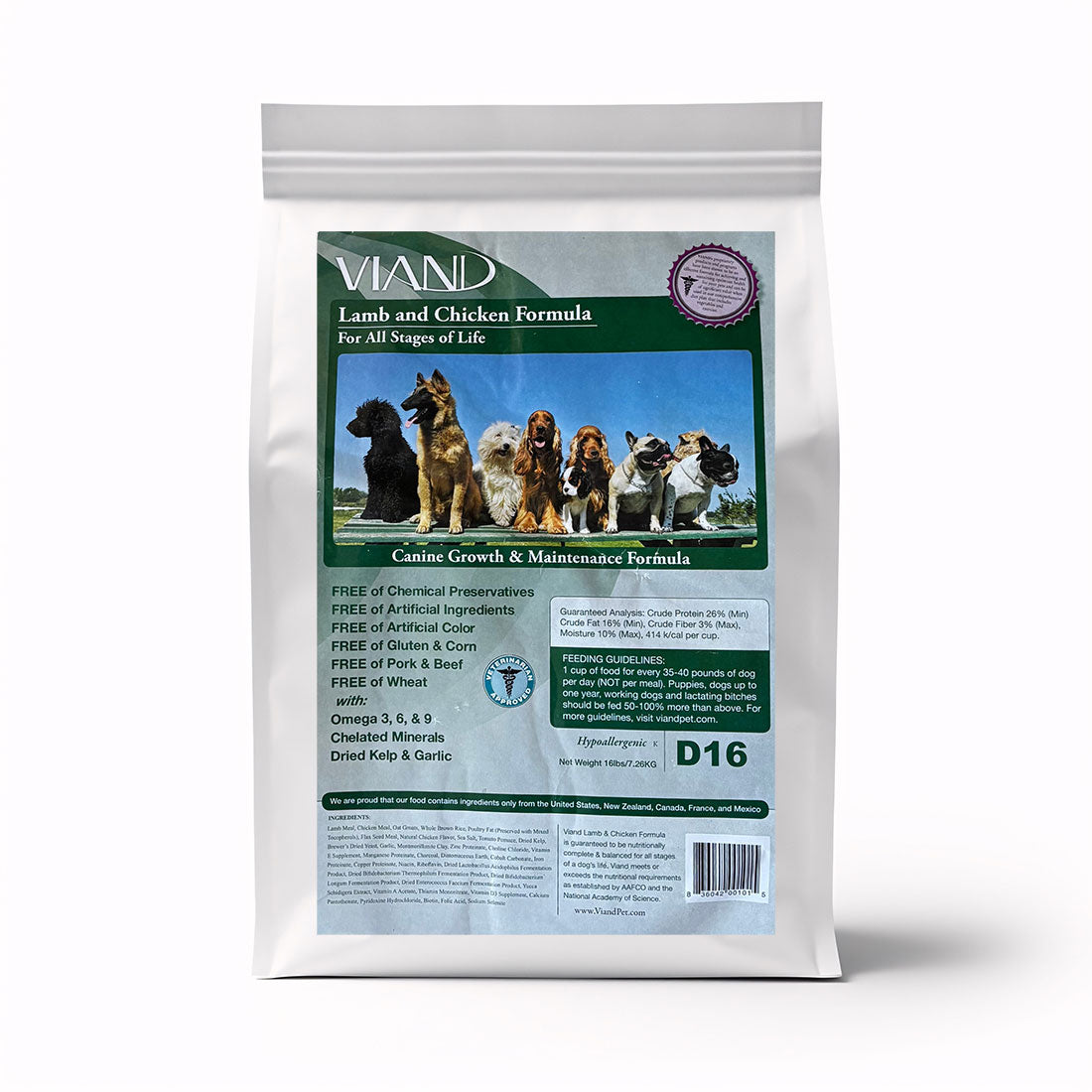
At ViandPet, we believe practical nutrition begins with feeding a digestible, complete diet in sensible portions, then adding targeted support when it serves a real purpose. That approach respects your dog’s individual needs without turning wellness into a crowded cabinet of products.
Your dog does not need every supplement on the shelf. They need a thoughtful foundation, a clear reason for each addition, and an owner who notices the small changes that tell you whether the plan is working.