

· By Admin
Corn Free Dog Food for Sensitive Stomachs
A dog who rushes outside after dinner, chews at itchy skin, or leaves soft stool behind is telling you something worth hearing. Corn free dog food for sensitive stomach concerns can be a sensible place to start, particularly when your dog does better with simpler, highly digestible ingredients. But removing corn alone is not a cure-all. The best answer is a complete food your dog can digest well, eat consistently, and thrive on over time.
A sensitive stomach is not a diagnosis. It is a pattern: recurring loose stool, gas, stomach noises, occasional vomiting, reduced appetite, or discomfort around meals. Some dogs react to a specific ingredient. Others are dealing with rich treats, abrupt diet changes, overfeeding, stress, parasites, medication, or an underlying medical condition. Good nutrition helps, but persistent symptoms deserve a conversation with your veterinarian.
Why Choose Corn Free Dog Food for Sensitive Stomachs?
Corn is not automatically harmful to every dog. Properly cooked corn can provide carbohydrates and energy, and many healthy dogs tolerate it without trouble. The question is not whether corn is universally good or bad. It is whether it belongs in your dog’s regular diet.
For dogs with suspected food sensitivities, a corn-free recipe removes one variable from the bowl. That can make it easier to evaluate how your dog responds to the rest of the formula. Some owners also prefer to avoid corn because they want more room in the recipe for clearly identified animal proteins and nutrient-dense whole-food ingredients.
The larger benefit often comes from choosing a thoughtfully made food rather than simply choosing a package with “corn free” on the front. A food can be free of corn and still be too rich, too heavily processed, poorly matched to your dog’s life stage, or filled with ingredients that do not agree with them. Look at the full formulation and your dog’s results, not one marketing claim.
What a Sensitive-Stomach Formula Should Do
A strong daily food supports regular digestion without sacrificing complete nutrition. It should provide adequate protein, balanced fat, essential vitamins and minerals, and a reliable source of fiber. For many sensitive dogs, consistency matters as much as the ingredient list. Switching among flavors, treats, table scraps, and toppers makes it hard to tell what is helping and what is causing trouble.
Start with a recognizable protein source
Dogs can be sensitive to proteins, but protein is also essential for muscle maintenance, immune function, skin, and coat health. A recipe with a clearly named animal protein, such as chicken, turkey, lamb, or fish, gives you more clarity than vague terms. If your dog has a known reaction to chicken, choosing another protein may be appropriate. If chicken has always agreed with your dog, there is no reason to avoid it simply because another protein is fashionable.
The goal is not the most exotic ingredient. It is a protein source your dog digests comfortably in a complete, balanced recipe.
Keep fat appropriate for your dog
Fat makes food flavorful and supplies essential fatty acids, but higher-fat formulas can be difficult for some dogs to tolerate. Dogs with a history of digestive upset, pancreatitis, or unexplained vomiting need individualized guidance from a veterinarian before moving to a richer food.
For an otherwise healthy dog with a sensitive stomach, moderate fat levels may be easier to manage. Watch the whole picture: stool quality, appetite, body condition, energy, and how your dog feels after meals. A shiny coat is welcome, but it should not come at the expense of steady digestion.
Include fiber with a purpose
The right amount of fiber can help support more regular stool. Too little may leave some dogs unsettled, while too much can create gas or bulky stool. Ingredients such as vegetables and other digestible fiber sources can play a useful role, but no single fiber ingredient works perfectly for every dog.
This is one reason to make one change at a time. If you introduce a new food, a probiotic, and several supplements in the same week, you will not know which adjustment produced the result.
How to Read a Corn-Free Dog Food Label
Turn the bag over before you buy. The ingredient panel and guaranteed analysis give you more useful information than front-of-bag language.
Pay close attention to these four details:
- Named animal ingredients: Look for clearly identified meat or meal ingredients rather than vague descriptions.
- Complete and balanced nutrition: Your dog’s everyday food should be formulated for the appropriate life stage, not used as a casual topper or treat replacement.
- A manageable ingredient list: More ingredients do not automatically mean better nutrition. A straightforward formula can be easier to evaluate when sensitivities are involved.
- Feeding guidance that fits your dog: Portion recommendations are a starting point. Your dog’s age, activity level, metabolism, and body condition determine the right daily amount.
Change Foods Slowly, Even When the New Food Is Better
The fastest way to make a sensitive stomach worse is to switch foods overnight. Even an excellent formula can cause loose stool when your dog’s digestive system has no time to adjust.
For most dogs, transition over seven to 10 days. Begin with roughly 25 percent new food and 75 percent current food for the first few days. Move to a half-and-half blend, then about 75 percent new food, before feeding the new recipe exclusively. Dogs with a history of digestive trouble may do better with an even slower transition.
If stool becomes soft, pause at the current ratio for a few extra days rather than pushing ahead. If vomiting, diarrhea, lethargy, pain, blood in the stool, or refusal to eat occurs, contact your veterinarian promptly. Those signs should not be managed with repeated food changes at home.
Feed the Right Amount, Not Just the Right Formula
Premium, nutrient-dense food may require a smaller serving than a lower-quality food. That is where practical nutrition matters. Overfeeding can lead to soft stool, weight gain, and the mistaken belief that a food does not agree with your dog.
Measure meals rather than estimating. Divide the daily portion into two meals for many adult dogs, unless your veterinarian recommends another schedule. Puppies, small breeds, seniors, and dogs with specific health needs may need a different approach.
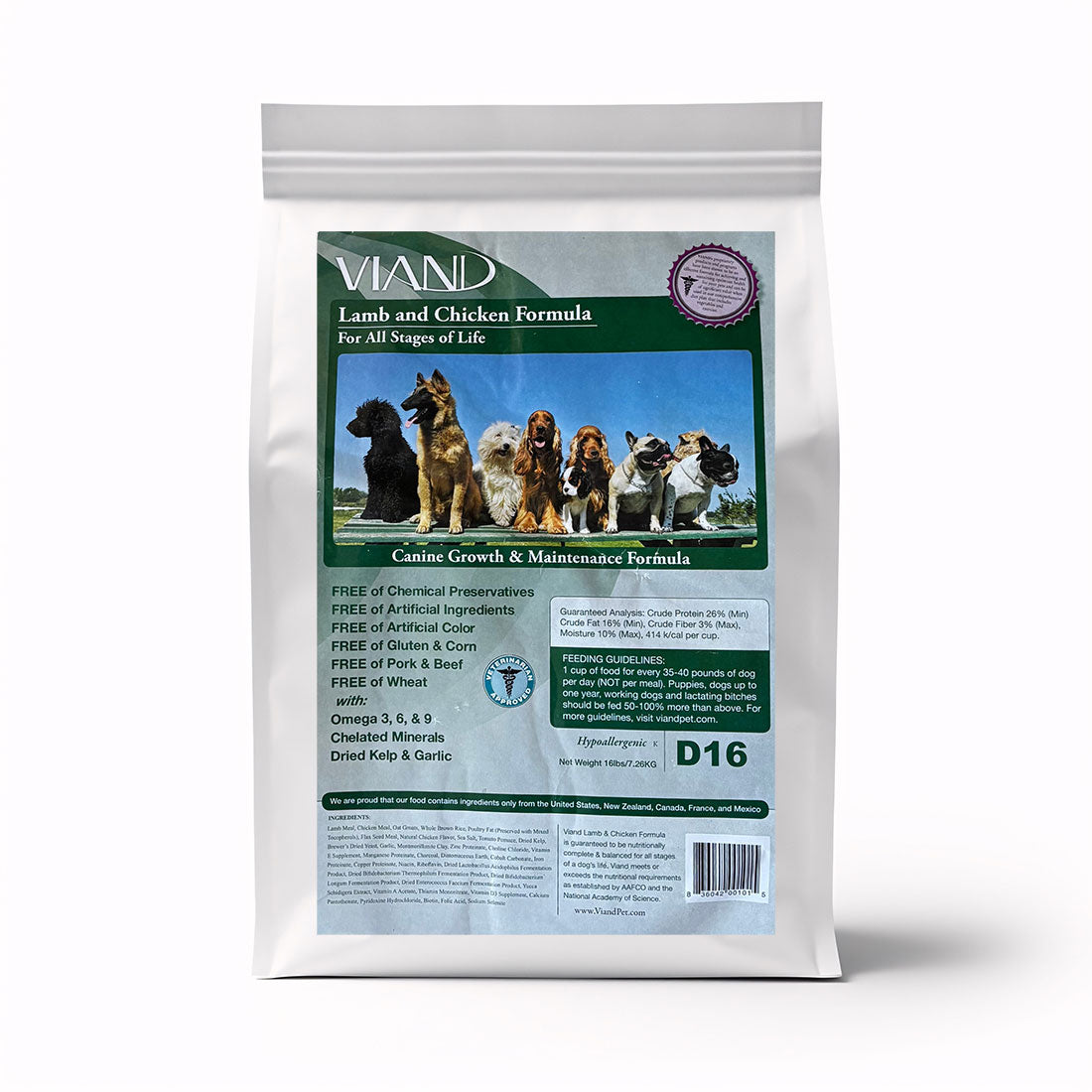
At ViandPet, the principle is simple: Feed Less. Save. A concentrated, digestible food can help dogs get meaningful nutrition from an appropriate portion rather than a bowl overloaded with filler. Still, every dog is an individual. Adjust portions gradually based on body condition, activity, and stool quality.
Fresh water should always be available. If your dog eats dry food and tends to gulp meals, adding a small amount of warm water can slow the eating experience and increase moisture intake. Do not leave moistened food sitting out for long periods.
Give the New Diet Time to Show You Something
A sensitive dog does not always improve in 48 hours. Stool may begin to normalize within days, while skin, coat, and long-term digestive comfort can take several weeks to reflect a stable feeding program. Keep a simple record of meals, treats, stool quality, scratching, ear irritation, and vomiting. This gives you useful information for both your own decisions and your veterinarian’s care.
Try to evaluate the diet over four to eight weeks once the transition is complete, unless your dog shows signs that require earlier veterinary attention. Avoid changing foods because of one imperfect day. Digestion can fluctuate with stress, boarding, scavenging, exercise changes, and an extra treat from a well-meaning family member.
Choosing corn-free food is not about chasing a trend or fearing every grain. It is about making a clear, thoughtful nutrition choice for the dog in front of you. When the formula is complete, digestible, and fed in the right amount with consistency, the bowl can become one less thing your furry friend has to worry about.