

· By Admin
Is Dehydrated Chicken Dog Food Right for Dogs?
A food bowl can reveal a lot about how well a dog’s diet is working. Consistent stools, a comfortable belly, a healthy coat, steady energy, and an eager but not frantic appetite are meaningful signs. Dehydrated chicken dog food appeals to many owners because it puts a familiar animal protein at the center of a concentrated, shelf-stable meal. But the drying process alone does not make a food complete, digestible, or right for every dog.
For dogs that thrive on chicken and need a thoughtfully made diet without unnecessary fillers, a dehydrated formula can be a practical choice. The key is looking beyond the word “dehydrated” to the protein source, the nutritional balance, the calorie density, and your individual dog’s response.
What Dehydrated Chicken Dog Food Actually Means
Dehydration removes moisture from ingredients at controlled temperatures, helping preserve food without relying on the high water content found in fresh or canned diets. The finished food is lighter, more concentrated, and designed to be stored conveniently. Depending on the product, it may be served dry, softened with warm water, or rehydrated into a more meal-like texture.
Chicken is valued in dog food because it supplies highly usable protein and naturally occurring amino acids that help support lean muscle and everyday body maintenance. It can also be very palatable for dogs that have become bored with their current meals. Yet chicken should be one part of a complete recipe, not the entire nutritional story.
A quality dehydrated food needs appropriate vitamins and minerals, healthful fats, and carbohydrate or fiber sources that suit the formula’s purpose. For daily feeding, look for a clear statement that the food is complete and balanced for your dog’s life stage. A chicken topper or a bag of dehydrated chicken treats may be excellent for variety, but it cannot replace a balanced meal.
Why Less Moisture Can Change Feeding Portions
Water adds weight and volume but does not add calories. When moisture is removed, the nutrients and calories become more concentrated per cup. That is why dogs often require a smaller serving of a nutrient-dense dehydrated food than they do of a lower-quality, bulkier kibble.
This is where owners can accidentally overfeed. A full scoop may look modest, especially beside a large bowl or a hungry-looking dog, but calorie needs are not measured by appearance. Start with the manufacturer’s feeding guide, use your dog’s current weight and body condition as your reference points, and adjust gradually.
Your dog’s ideal portion depends on more than size. Age, activity level, spay or neuter status, weather, treats, and metabolism all matter. A young, intact sporting dog may need substantially more energy than a relaxed senior of the same weight. Feed Less. Save. only works when smaller portions still deliver the nutrition your dog needs.
Rehydrating Is Often Worth the Extra Minute
Adding warm water can improve aroma and create a softer texture, which may help picky eaters, senior dogs, and dogs with dental sensitivity enjoy their meal. It also adds moisture to the bowl, a welcome benefit for dogs that do not drink much between meals.
Use clean water and serve the food promptly once it is moistened. Do not leave a rehydrated meal out all day. If your dog prefers the food dry and is drinking normally, dry feeding can be appropriate when the product directions allow it. The best preparation is the one that supports consistent eating, comfortable digestion, and safe food handling.
Ingredient Quality Matters More Than the Processing Method
“Dehydrated” describes how food is made, not whether it is automatically superior. A food can be dehydrated and still rely heavily on vague animal ingredients, excessive starchy fillers, artificial colors, or ingredients that do not agree with your dog.
Start with the ingredient panel. Named animal proteins provide more clarity than generic terms. For a chicken recipe, you should be able to identify where the chicken comes from, whether the formula includes a named chicken meal, and what other ingredients support the diet. A well-designed food also makes its nutritional purpose easy to understand rather than asking owners to guess.
Many health-conscious owners seek formulas made without wheat, gluten, corn, and artificial extras, particularly when a dog has recurring itching, loose stools, ear irritation, or poor coat condition. These choices can be helpful for some dogs, but they are not a cure-all. Skin and digestive symptoms can have many causes, including environmental allergies, parasites, stress, treats, or underlying illness. Persistent symptoms deserve a conversation with your veterinarian.
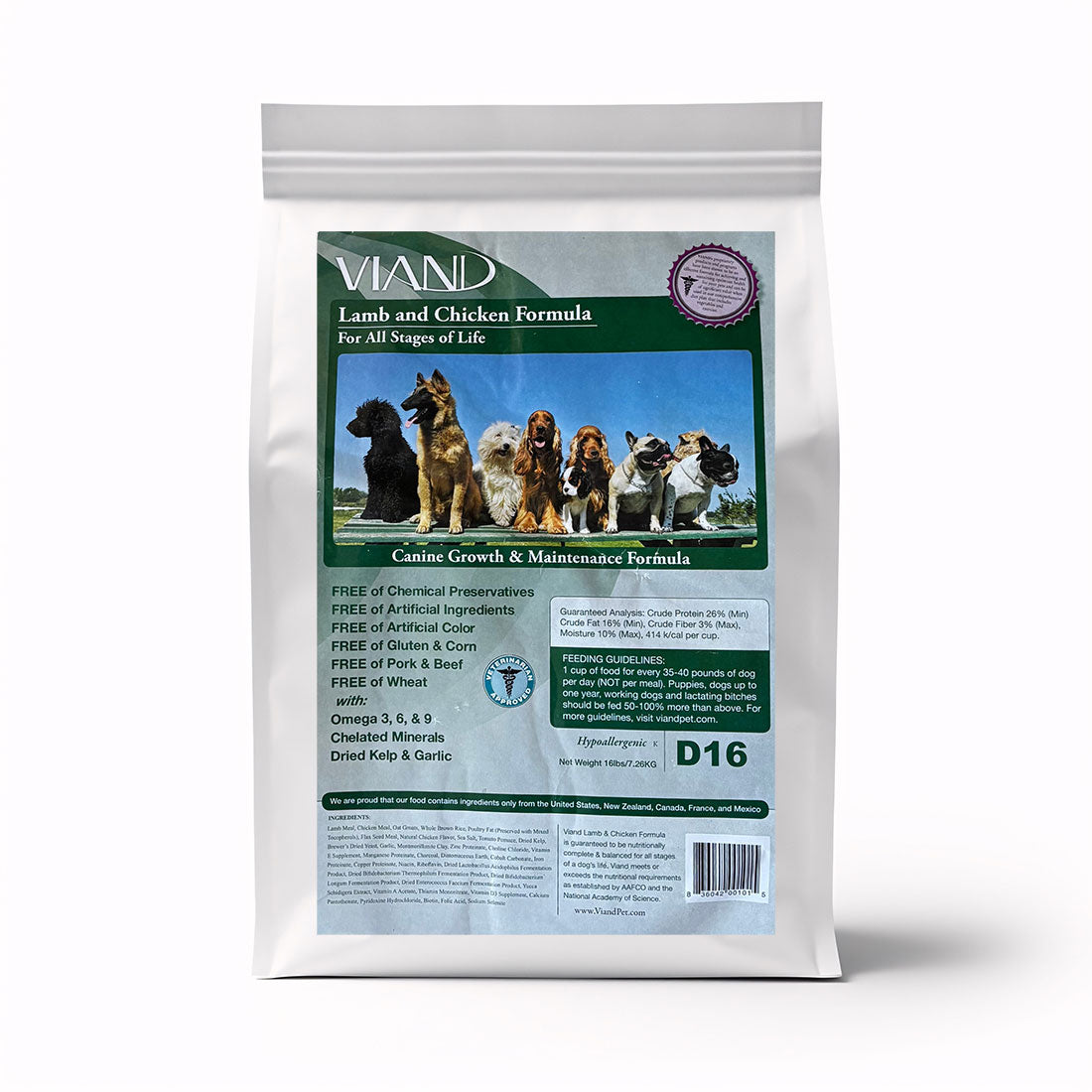
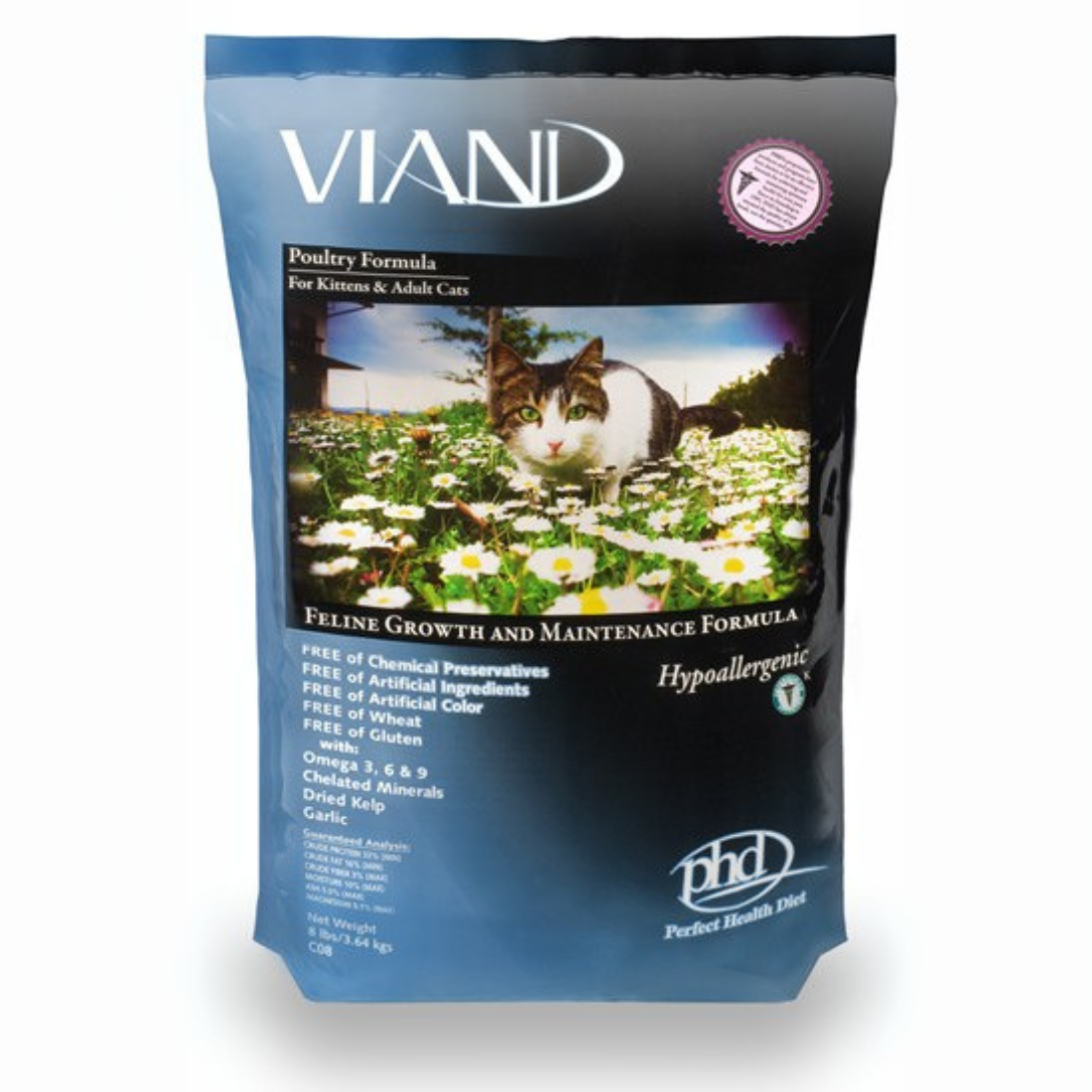
At ViandPet, the focus is on natural, meat-conscious nutrition that is complete, digestible, and practical to feed over the long term. That approach matters because real results come from daily consistency, not from a trend word on the front of a bag.
Is Chicken a Good Choice for Sensitive Dogs?
Chicken is often easy for dogs to enjoy and digest, but it is not the right protein for every sensitive dog. Some dogs develop adverse reactions to chicken or have already been advised by their veterinarian to avoid it. If chicken has repeatedly coincided with itching, ear problems, vomiting, or digestive upset, switching to another protein may be more sensible than trying a different chicken formula.
It is also helpful to separate a true food reaction from a general sensitive stomach. A dog who has loose stool after a sudden food change may simply need a slower transition. A dog with intermittent itching during pollen season may be reacting to the environment, not dinner. Avoid changing food, treats, chews, and supplements all at once, because that makes it difficult to identify what is helping or causing trouble.
For dogs that tolerate chicken well, the protein can be a dependable foundation for a simple feeding routine. The goal is not to chase a perfect ingredient list. It is to find a complete diet your dog digests well, maintains a healthy weight on, and enjoys eating day after day.
How to Transition to a Dehydrated Chicken Diet
A gradual transition protects your dog’s digestive system and gives you a clearer picture of how the new food is working. Most dogs do well when the change takes seven to 10 days, although dogs with especially sensitive digestion may benefit from an even slower schedule.
Begin with roughly 25 percent new food and 75 percent current food for several meals. Move to an even mix, then 75 percent new food, before feeding the new diet alone. If stools become soft, pause at the current ratio for a few days rather than pushing ahead. A slower change is not a failure. It is sensible feeding.
Keep portions measured during the transition. Because dehydrated foods can be calorie-dense, replacing a cup of old food with a cup of new food may not be an equal calorie exchange. Check the feeding directions and watch your dog’s waistline, stool quality, coat, energy, and appetite over the following weeks.
What to Look for on the Label
When comparing dehydrated chicken foods, give the label the same attention you would give a supplement or a food for yourself. A few details deserve particular focus:
- A complete and balanced nutritional statement for the intended life stage
- Clearly named chicken ingredients and a transparent ingredient list
- Calorie information and feeding guidance that fits your dog’s size and activity
- A manufacturer willing to explain its quality standards and answer feeding questions
- Storage and rehydration instructions that are simple enough to follow consistently
Build a Routine You Can Maintain
The most successful food is one you can feed correctly every day. Measure meals, account for training treats, store the bag as directed, and keep fresh water available. If you add supplements, introduce them thoughtfully and avoid assuming that more is always better. A complete diet is the base; targeted support should have a clear purpose.
Give the new routine enough time to show you what it can do. A dog’s digestion may respond within days, while body condition and coat changes often take longer. Keep your attention on the practical markers that matter: comfortable meals, regular stools, stable weight, bright energy, and the contented look of a dog who feels good after eating.
Choosing dehydrated chicken dog food is not about finding the most dramatic claim on the shelf. It is about giving your dog a well-made, balanced meal that fits their needs and making small, observant adjustments as life changes. That kind of care has a way of showing up at every meal.