

· By Admin
Mixed Feeding Guide for Dogs That Keeps Meals Balanced
A scoop of kibble plus a spoonful of fresh food can make a dog’s bowl more appealing, but a mixed feeding plan is not simply about adding variety. This mixed feeding guide for dogs is designed to help you combine foods without accidentally doubling calories, upsetting digestion, or diluting the nutrition your dog needs every day.
For many families, mixed feeding is a practical middle ground. It can pair the convenience and nutritional consistency of a complete dry food with the moisture, taste, or ingredient variety of dehydrated, canned, or fresh foods. Done thoughtfully, it can support healthy eating habits without turning every meal into a guessing game.
What Mixed Feeding Means for Dogs
Mixed feeding means offering more than one food format as part of your dog’s regular diet. That may mean dry food topped with a rehydrated dehydrated food, a combination of kibble and canned food, or a complete commercial food alongside a carefully measured fresh-food addition.
The key word is complete. A food labeled complete and balanced is formulated to provide the required nutrients when fed as the primary diet. When you mix two complete foods, you still need to account for the calories from each. When you add foods that are not complete diets, such as plain chicken, eggs, pumpkin, or broth, those additions should remain modest unless a veterinary nutrition professional has formulated the overall recipe.
A fuller bowl does not always mean a better-fed dog. Premium, nutrient-dense foods are often fed in smaller portions than lower-quality formulas. That is why measuring by calories and body condition, rather than by cup size alone, matters.
Why Owners Choose a Mixed Feeding Plan
Dogs can benefit from a mixed approach when it makes consistent, appropriate nutrition easier to maintain. A picky eater may be more interested in dry food topped with a small amount of rehydrated food. A senior dog may appreciate a softer texture. Dogs that drink too little water may benefit from moisture added to meals, provided the total portion remains controlled.
Mixed feeding can also give owners flexibility. A complete dry food can serve as the dependable nutritional foundation, while a second complete food adds variety at one meal or several times a week. This approach is especially useful for busy households that want the convenience of dry food without relying on the same texture at every meal.
There are trade-offs. More foods mean more labels to read, more calories to track, and more variables when a dog develops loose stool, itching, or ear irritation. For dogs with known sensitivities, a simple feeding program is often easier to manage than a rotating buffet of proteins and toppers.
Start With Calories, Not Cups
The most common mixed-feeding mistake is feeding a full serving of dry food and then adding a full serving of another food. Even healthy ingredients can lead to unwanted weight gain when the calories are not adjusted.
First, choose the food that will be your dog’s nutritional base. For example, your dog may receive 70 percent of daily calories from a complete dry food and 30 percent from a complete dehydrated or canned food. The exact split can vary, but the combined total should stay close to your dog’s daily calorie needs.
Look for the calories per cup, can, pouch, or ounce on each package. Then calculate how much of each food provides your intended share. If your dog normally eats 400 calories per day, a 75/25 split would provide about 300 calories from the primary food and 100 calories from the secondary food.
A kitchen scale is one of the most useful tools for mixed feeding, particularly with dehydrated foods and fresh additions. Measuring cups can be helpful, but weights and calories are more precise. Rehydrating a food changes its volume and moisture level, not the calories it contains.
A Practical Mixed Feeding Guide for Dogs
Begin by keeping the plan uncomplicated. Pick two foods your dog tolerates well and use a consistent proportion at each meal. A 75/25 or 80/20 calorie split is often easier to manage than changing the ratio every day.
If your dog currently eats only one food, transition gradually over seven to 10 days. Start with a small amount of the new food while reducing the existing food by an equivalent number of calories. Increase the new food every few days if stools remain normal and your dog is comfortable.
For a healthy adult dog, two measured meals per day generally make observation easier. You can see whether appetite changes, whether the stool becomes softer, and whether the dog begins leaving food behind. Puppies, toy breeds, dogs with medical needs, and dogs prone to digestive upset may need a more individualized schedule.
Use the same approach with toppers. A teaspoon of a flavorful addition may be plenty for a small dog, while a large dog may tolerate more. Unless the topper is itself a complete and balanced food included in the calorie plan, keep all treats and extras under about 10 percent of daily calories. The remaining 90 percent or more should come from a complete diet.
Choose Foods That Work Together
Not every combination is a good fit. Look beyond attractive ingredient lists and consider the whole feeding program: calorie density, protein source, fat level, fiber, texture, and your dog’s known tolerances.
A chicken-based dry formula and a chicken-based dehydrated food may be a sensible pairing for a dog that does well with chicken. For a dog with recurring itching or digestive trouble, however, introducing several proteins at once can make it difficult to identify the trigger. In that case, keep the protein source and ingredient profile consistent while you evaluate results.
Avoid assuming that “fresh” automatically means nutritionally complete. Many refrigerated, homemade, or human-food additions are intended as toppers only. They can be useful in small amounts, but they should not crowd out the vitamins, minerals, essential fatty acids, and amino acids supplied by a properly formulated complete food.
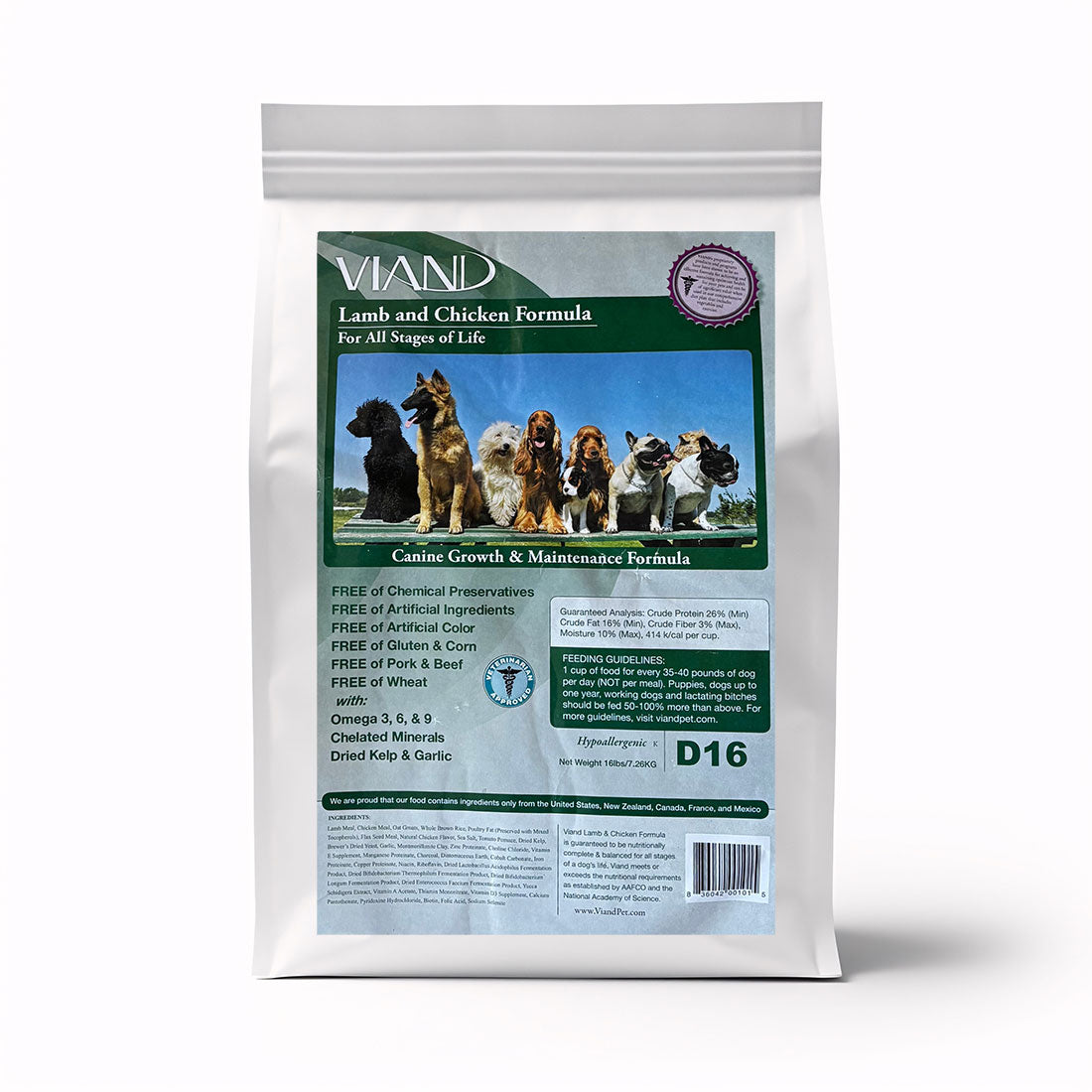
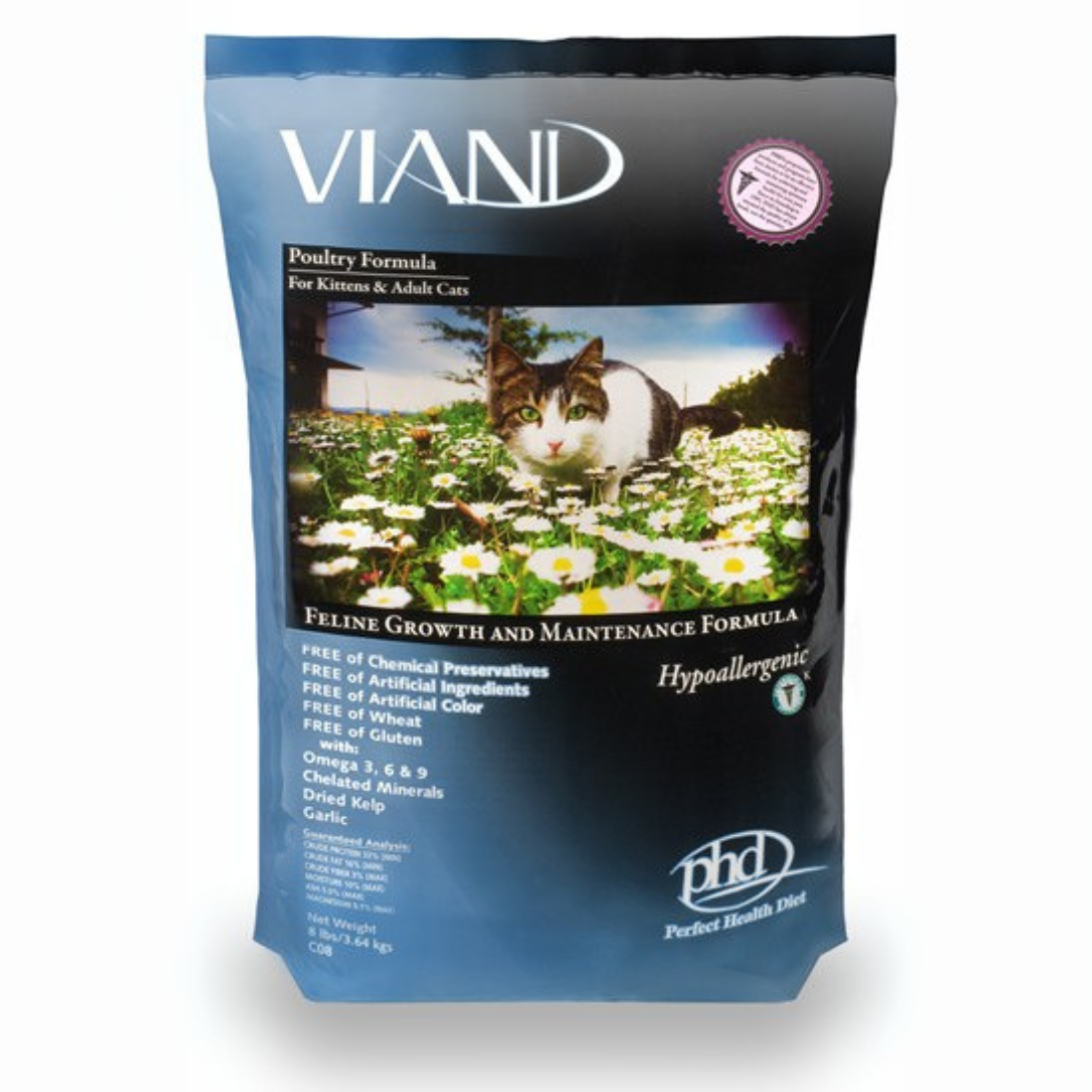
ViandPet’s nutrient-dense dry and dehydrated foods can be especially practical in a mixed plan because portions can be adjusted by calories while keeping a complete diet at the center of the bowl.
Watch Your Dog, Not Just the Bowl
The right plan should show up in your dog’s everyday condition. Healthy signs include steady energy, a normal appetite, comfortable digestion, regular well-formed stools, healthy skin, and a coat with a natural shine. Body condition matters, too. You should be able to feel your dog’s ribs with light pressure, while still seeing a visible waist from above.
Monitor changes for at least two to three weeks after making a feeding adjustment. A single soft stool after a new meal may not be alarming, but persistent diarrhea, vomiting, gas, scratching, ear debris, weight gain, or weight loss deserves attention. Return to the last food combination your dog handled well, then speak with your veterinarian if symptoms continue.
Dogs with pancreatitis, kidney disease, diabetes, inflammatory bowel disease, food allergies, or a history of urinary stones should not move to a mixed diet casually. Their food may need specific fat, protein, mineral, fiber, or moisture targets. A veterinarian can help determine whether the second food fits those needs.
Make Variety Work Without Constant Change
Variety is helpful only when it is tolerated and sustainable. Some dogs enjoy a predictable base diet with one measured alternate food. Others do best with the same formula every day, especially when their skin or stomach is sensitive. There is no prize for offering the widest rotation.
Keep a simple feeding record during the first month. Write down the foods used, daily amounts, treats, stool quality, itching, and weekly body weight when possible. This gives you useful information instead of relying on memory when something changes.
Mixed feeding should make life better for both you and your furry friend. Keep the foundation complete, measure the portions, introduce changes slowly, and let your dog’s comfort and condition guide the next bowl.