

· By Admin
Dog Vitamins for Skin Coat: What Actually Helps
A dull coat, dry flakes on the bedding, or constant paw licking can make any pet owner wonder whether dog vitamins for skin coat are the missing piece. Sometimes they are. Just as often, though, the real answer starts with the everyday bowl: a digestible, complete diet that gives your dog usable protein, essential fats, vitamins, and minerals in the first place.
A supplement can support a healthy skin barrier and a soft, glossy coat, but it cannot reliably compensate for poor-quality food, an ingredient sensitivity, fleas, or an underlying medical condition. The practical goal is not to add every trendy powder or chew. It is to identify what your dog needs, choose a sensible formula, and give it enough time to work.
Why Skin and Coat Problems Start From the Inside
Skin is your dog's largest organ, and hair growth requires steady nutrition. When the body is short on calories, high-quality protein, fatty acids, or key micronutrients, the coat may lose its shine before other signs become obvious. A coat that feels brittle, sheds excessively, or looks thin can be a nutrition clue, particularly in dogs eating an unbalanced homemade diet or a food that does not agree with them.
Protein matters because hair itself is largely protein. A meat-conscious diet with digestible animal protein helps provide the amino acids needed for normal skin and coat maintenance. Fat matters, too. Dietary fat supplies energy and helps the body absorb fat-soluble vitamins, while essential omega fatty acids help support normal skin moisture and barrier function.
But skin is also reactive. Seasonal allergies, environmental irritants, flea bites, frequent bathing, dry indoor air, parasites, thyroid changes, and yeast or bacterial skin infections can all affect the coat. That is why a supplement should be part of a larger feeding and care plan, not a guess made from a shiny label.
The Nutrients That Matter Most for Skin and Coat
The best dog vitamins for skin coat health are not necessarily packed with dozens of ingredients. Look for nutrients with a clear role, appropriate amounts, and a formula designed for dogs.
Omega-3 and omega-6 fatty acids
Omega-3 fatty acids, especially EPA and DHA from marine sources, are commonly used to support normal inflammatory responses and skin comfort. Omega-6 fatty acids, including linoleic acid, are also essential for normal skin and coat quality. Dogs need both. The question is balance, not simply adding more oil.
Fish oil can be useful for some dogs, but quality and dosing matter. Too much can add unnecessary calories and may cause loose stool. It may also be inappropriate for dogs with certain medical histories or those taking medications that affect clotting. Start with the product directions and ask your veterinarian for guidance if your dog has a health condition.
Vitamin E
Vitamin E is an antioxidant that helps protect cells from oxidative stress and is often paired with fish oil formulas. Because higher-fat supplementation can increase a dog's vitamin E needs, it is sensible to choose products formulated with that relationship in mind rather than combining several supplements at random.
Zinc, copper, and other trace minerals
Trace minerals support normal skin renewal, pigment, and coat texture. Zinc is particularly important, but more is not better. Excessive zinc can interfere with copper and iron balance and can create serious problems. This is one reason a complete, properly formulated dog supplement is a safer choice than standalone human mineral products.
Biotin and B vitamins
Biotin and other B vitamins participate in normal metabolism and skin function. They may be included in a skin-and-coat product, although a dog eating a complete and balanced food is usually already receiving them. Their presence does not turn a weak formula into a strong one, but they can be useful supporting players in a thoughtful blend.
Food First, Then Targeted Support
Before adding a vitamin, look closely at your dog's full daily menu. Treats, table food, toppers, dental chews, and supplements all count. A dog receiving many extras may be getting more calories than needed while still missing the consistency of a complete feeding plan.
Choose a food made with digestible, quality ingredients and a nutritional profile appropriate for your dog's life stage. For dogs with recurring itching, ear irritation, gas, or soft stools alongside coat concerns, consider whether a food sensitivity may be contributing. Changing foods too quickly can upset digestion, so make transitions gradually over several days.
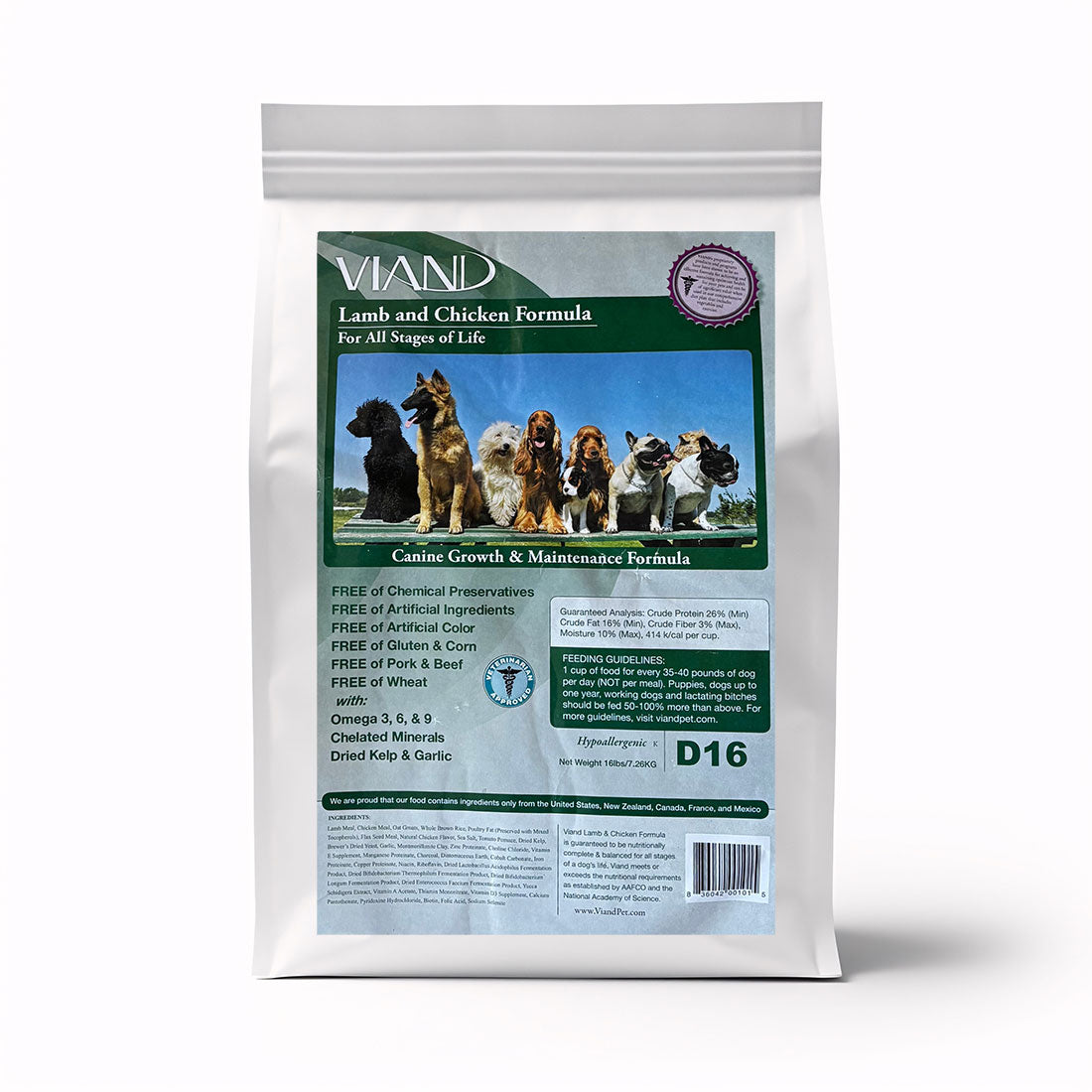
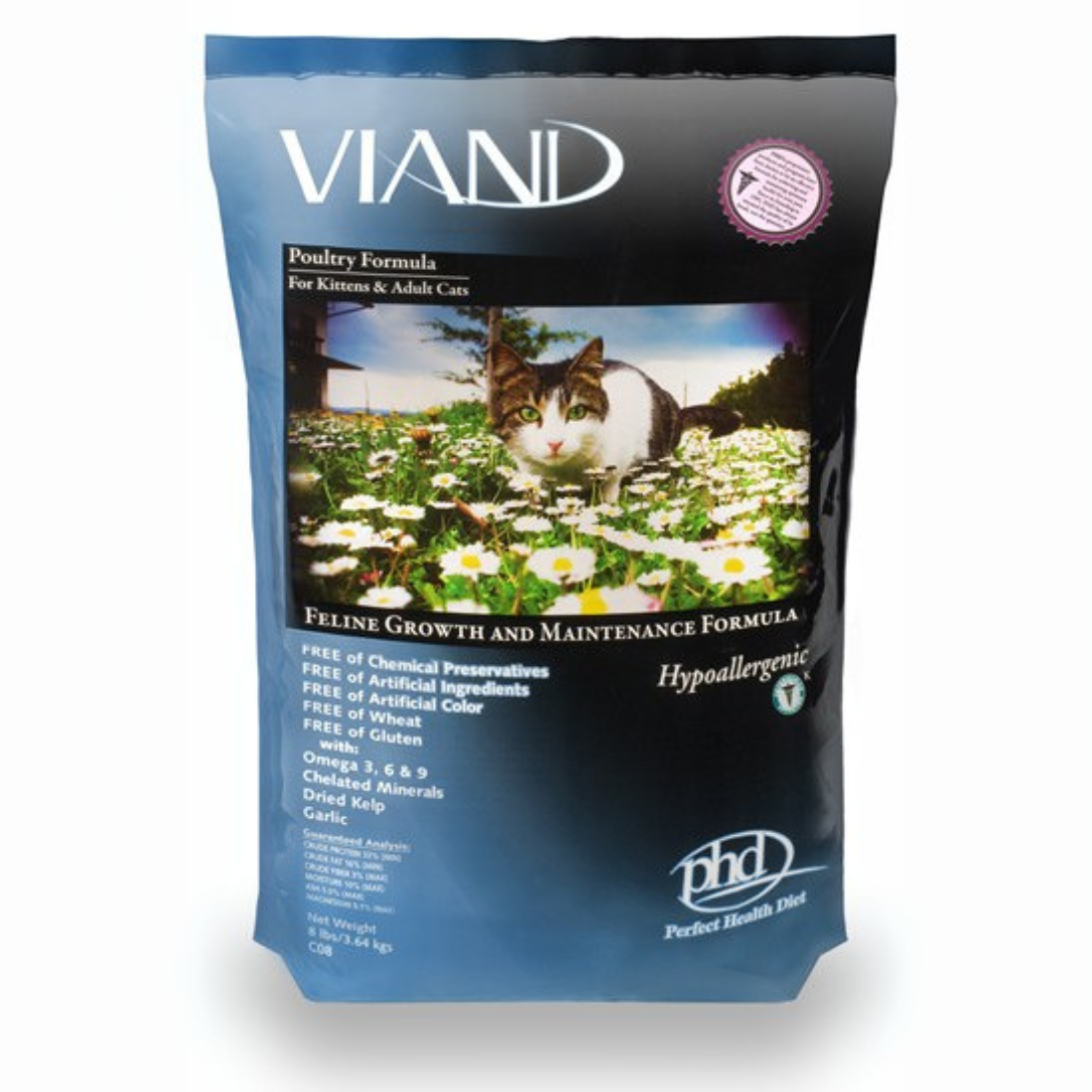
At ViandPet, the nutrition philosophy is straightforward: feed a nutrient-dense, highly digestible foundation so your dog can get more from a sensible portion. That foundation matters because nutrients only help when the digestive system can use them well. Feed Less. Save. is not about cutting corners. It is about offering concentrated nutrition without relying on oversized portions to make up the difference.
A targeted supplement makes the most sense when your dog is already on a complete diet but has a specific need for additional fatty-acid support, is moving through a dry-weather season, or has a veterinarian-approved nutritional plan. It may also help senior dogs, whose coats can become less lustrous with age, provided the rest of their care is in place.
How to Choose Dog Vitamins for Skin Coat Support
Read the label with the same care you give your dog's food. The front of the package may promise a soft coat, but the ingredient panel and feeding directions tell the more useful story. Choose a product made specifically for dogs, with clear amounts per serving and instructions based on body weight.
A good formula should identify its fatty-acid source rather than relying on vague language such as “oil blend.” It should also explain how much to feed, how the product should be stored, and whether it is intended for daily use. Oils can degrade with heat, light, and time, so freshness and proper storage are part of quality.
Avoid doubling up on supplements with overlapping ingredients. For example, a multivitamin, fish oil, skin chew, fortified topper, and complete food may collectively provide far more of certain nutrients than your dog needs. This approach can be expensive, hard on sensitive stomachs, and less helpful than one targeted product used consistently.
Do not use human gummies or multivitamins for your furry friend. They may contain ingredients that are unsafe for dogs, including xylitol, and their nutrient levels are not designed for canine needs.
Give It Time and Watch the Whole Dog
Hair grows slowly. A true nutrition-related improvement in coat softness or shine often takes several weeks, while normal skin turnover may take longer. Introduce one new product at a time, ideally with a meal, and keep a simple note of itching, stool quality, ear changes, shedding, and coat appearance. That makes it easier to see whether the change is genuinely helping.
Stop and reassess if your dog develops vomiting, diarrhea, worsening itching, or unusual behavior after starting a supplement. A veterinary visit is the right next step for hot spots, sores, hair loss in patches, strong skin odor, repeated ear infections, persistent scratching, or sudden coat changes. These signs can point to issues that vitamins alone will not resolve.
The healthiest coat is usually the visible result of steady care: nourishing food, appropriate portions, parasite prevention, regular grooming, fresh water, and a supplement only when it has a clear job to do. Start there, stay consistent, and let your dog's comfort and condition guide the next decision.