

· By Admin
Dog Supplements: What Your Dog May Really Need
A dull coat, loose stool, stiff first steps in the morning, or relentless scratching can make any pet owner wonder whether dog supplements are the missing piece. Sometimes they help. Just as often, the better answer starts with the food bowl: a highly digestible, complete diet that gives your dog the nutrition needed to thrive day after day.
Supplements work best as targeted support, not as a way to compensate for poor-quality food, inconsistent feeding, or an undiagnosed health problem. The goal is not to give your furry friend the longest possible list of powders and chews. It is to identify a real need, choose an appropriate formula, and give it enough time to make a meaningful difference.
Start With the Foundation, Not the Supplement Shelf
A complete and balanced dog food should provide the calories, protein, essential fatty acids, vitamins, and minerals a healthy dog needs. When that foundation is sound, a supplement can be selected with more precision. When it is not, adding several products can create confusion without solving the root problem.
Consider a dog with frequent gas and soft stool. A digestive supplement may be helpful, but it is also worth looking at the full feeding picture. Is the food highly digestible? Are portions appropriate for the dog’s size and activity? Are table scraps, rich treats, or sudden food changes upsetting the digestive system? Feeding more food than a dog can comfortably digest often looks like hunger management, but it can create waste and discomfort instead.
A nutrient-dense diet can also mean smaller portions. That supports efficient digestion and makes it easier to see how your dog responds to a new supplement. Feed Less. Save. is not about restricting nutrition. It is about delivering more usable nutrition in every measured meal.
When Dog Supplements Can Make Sense
The right supplement depends on your dog’s life stage, health history, diet, and symptoms. A growing puppy, an athletic adult, and a senior dog have different needs. Breed size matters too. Large dogs may need earlier attention to mobility, while a small dog with dental concerns may benefit from a different plan altogether.
Digestive support
Probiotics, prebiotics, digestive enzymes, and selected fibers are often used to support regular digestion. They may be useful during dietary transitions, after a course of medication, during periods of stress, or for dogs prone to occasional loose stool or gas.
The details matter. A probiotic should identify the organisms it contains and provide clear storage and dosing instructions. A digestive formula should be introduced gradually, especially for sensitive dogs. If diarrhea is severe, persistent, bloody, or accompanied by vomiting, lethargy, or appetite changes, skip the supplement experiment and call your veterinarian.
Skin and coat support
Dry skin, excessive shedding, a lackluster coat, and minor seasonal itchiness often bring owners to omega fatty acids. Fish oil and other omega-3 sources can support skin moisture, coat quality, and a normal inflammatory response. They are not a cure for every itchy dog, however.
Food sensitivities, fleas, environmental allergies, yeast overgrowth, and skin infections can all look like “dry skin.” If your dog is chewing paws, developing hot spots, or experiencing recurring ear trouble, targeted veterinary guidance is the right next step. Nutrition can support the skin barrier, but it cannot diagnose the reason that barrier is under stress.
Joint and mobility support
Mobility formulas commonly include glucosamine, chondroitin, green-lipped mussel, MSM, or omega-3 fatty acids. These ingredients may be worthwhile for senior dogs, large breeds, highly active dogs, and dogs showing early stiffness.
Set realistic expectations. A joint supplement does not rebuild a damaged joint overnight. Its value is usually measured over several weeks of consistent use, alongside a healthy body weight, sensible exercise, and comfortable footing at home. Keeping excess pounds off may be one of the most meaningful ways to reduce stress on a dog’s joints.
Senior wellness and targeted nutrients
Older dogs may benefit from support tailored to their individual needs, such as joint nutrients, digestive support, or antioxidants. But “senior” is not a diagnosis. Increased thirst, weight loss, behavior changes, weakness, or a sudden decline in mobility deserve a veterinary exam before adding a general wellness product.
Multivitamins can be useful in specific cases, especially when a veterinarian recommends them for a home-prepared diet or a documented nutritional gap. For dogs eating a complete commercial diet, a broad multivitamin is not automatically necessary. More vitamins are not always better, particularly with fat-soluble nutrients that can build up in the body.
How to Choose Dog Supplements With Confidence
The front label can make nearly any product sound essential. Turn the container around and look for the practical information: the active ingredients, the amount per serving, the suggested dose by body weight, a full ingredient list, lot identification, and clear manufacturer contact information.
Choose a formula for a defined purpose. “Supports wellness” is broad. “Provides omega-3 fatty acids for skin and coat” or “contains specific joint-support ingredients” gives you a clearer standard for evaluating results. Avoid products that promise to cure disease, replace veterinary care, or work instantly.
Ingredient quality matters as much as the headline ingredient. Dogs with food sensitivities may do better with products that avoid unnecessary fillers, artificial colors, or common dietary irritants. If your dog has known allergies, read both the active and inactive ingredients. A chicken-flavored chew may not be appropriate for every dog, even if the active ingredient is exactly what you were seeking.
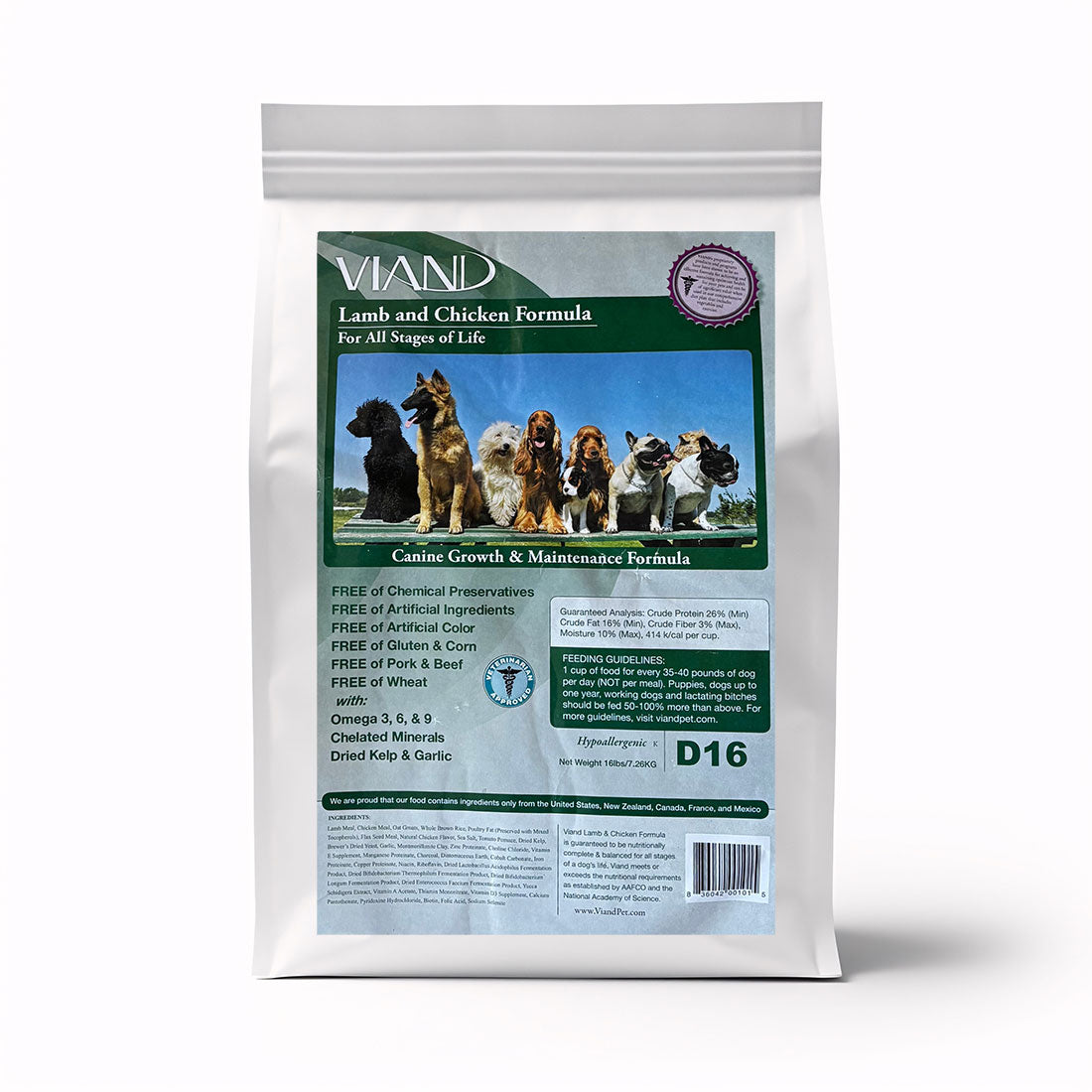
At ViandPet, nutrition is approached as a long-term wellness practice, not a quick fix. That means pairing thoughtfully selected supplements with natural, meat-conscious food and paying attention to the outcome you can actually see: regular stools, steady energy, a healthy coat, comfortable movement, and an eager appetite.
Introduce One Change at a Time
Starting food, treats, and two new supplements in the same week makes it nearly impossible to know what is helping or what is causing a problem. Introduce one product at a time and follow the serving guidance for your dog’s current weight. For sensitive dogs, beginning with a partial serving for a few days can be a sensible approach unless the label or your veterinarian advises otherwise.
Keep a simple record for three to six weeks. Note stool quality, itching, coat appearance, energy, mobility after rest, appetite, and any changes in weight. For joint and coat support, results may take longer than digestive changes. Consistency matters more than doubling the dose when results are not immediate.
A few practical habits make this easier:
- Give supplements with a meal unless the label says otherwise.
- Use a measuring scoop or count chews carefully rather than guessing.
- Store oils, probiotics, and soft chews as directed to protect quality.
- Reassess every product periodically, especially as your dog ages or changes diets.
Know When to Ask Your Veterinarian First
A veterinarian should be part of the decision before giving supplements to a dog with chronic disease, a history of pancreatitis, kidney or liver concerns, bleeding disorders, or a prescription medication routine. Some ingredients can affect medication absorption, blood clotting, calorie intake, or digestive tolerance.
Puppies, pregnant or nursing dogs, and dogs on therapeutic diets also need more individualized guidance. A supplement that is appropriate for a healthy adult may not be appropriate during growth or medical treatment.
Most importantly, do not let a supplement delay care for a significant change in your dog’s health. Sudden limping, repeated vomiting, unexplained weight loss, persistent diarrhea, difficulty breathing, or loss of appetite call for professional attention. Thoughtful nutrition supports veterinary care. It does not replace it.
The best dog supplement plan is often a simple one: feed a high-quality complete diet, maintain a healthy weight, choose targeted support when there is a clear reason, and watch your dog closely. Those everyday choices give you the clearest path toward more comfortable, energetic years together.