

· By Admin
Dry Versus Dehydrated Dog Food: Which Fits?
A smaller scoop can be the right scoop - but only when you understand what is providing the calories and nutrition inside it. The choice between dry versus dehydrated dog food is not simply a question of convenience versus quality. Both formats can support a healthy dog when they are made with sound ingredients, formulated as complete and balanced, and fed in the proper amount. The meaningful differences are in processing, moisture, cost per meal, preparation, and what works best for your individual furry friend.
For dogs with sensitive digestion, picky appetites, skin and coat concerns, or a history of food reactions, those details matter. A food format alone does not solve a nutrition problem. The ingredient quality, digestibility, nutrient balance, and feeding consistency behind it do.
What Is Dry Dog Food?
Dry dog food, often called kibble, is a shelf-stable diet with relatively low moisture. Most dry foods are made by combining ingredients into a dough, cooking and shaping it, then drying it to a moisture level that supports safe storage. A finished kibble may also be coated with fats or flavor ingredients.
Dry food is popular for practical reasons. It is easy to measure, easy to store, travels well, and usually costs less per calorie than dehydrated food. For multi-dog homes, large-breed dogs, and owners who value a predictable daily routine, a nutrient-dense dry food can be an excellent foundation.
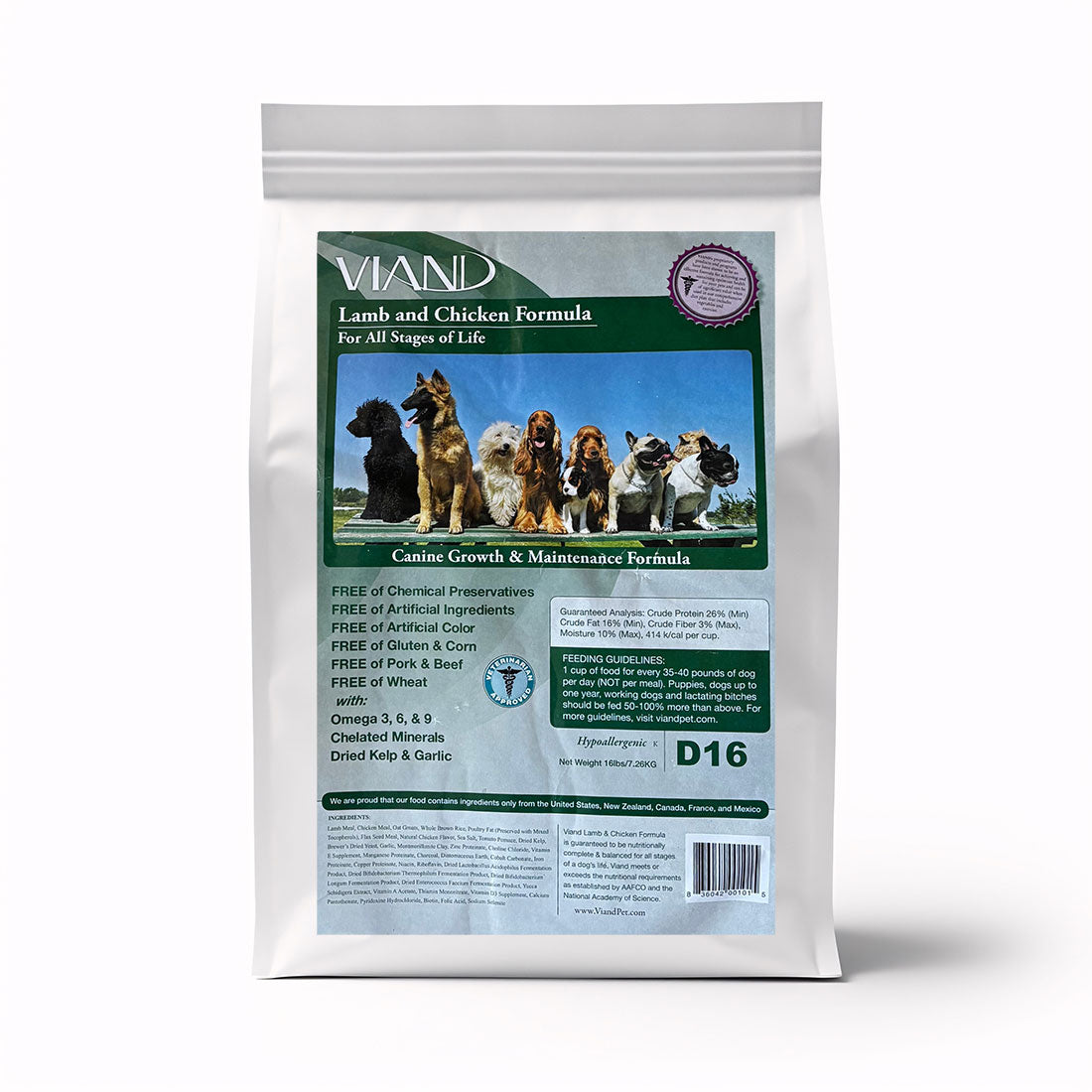
The concern is not that kibble is inherently inferior. The concern is that many mass-market kibbles rely heavily on inexpensive starches, vague ingredient descriptions, artificial additives, or low-quality protein sources. A better dry diet starts with clearly identified animal proteins and thoughtfully selected ingredients, without relying on corn, wheat, or gluten as inexpensive fillers. It should also state that it is complete and balanced for your dog's life stage.
What Is Dehydrated Dog Food?
Dehydrated dog food has had much of its moisture removed using low, controlled heat. It is typically more concentrated than fresh or canned food and is often served after adding warm water. The result is a lightweight, shelf-stable food that can offer a more meal-like texture and aroma once rehydrated.
Dehydrated recipes vary widely. Some are complete daily diets, while others are toppers, mixers, or supplemental foods. That distinction is essential. A food can look wholesome and still be unsuitable as the sole source of nutrition if it does not provide the full balance of protein, fat, vitamins, minerals, and essential nutrients your dog needs.
Because dehydrated foods are concentrated, the feeding amount may look surprisingly small before water is added. Water increases volume, not calories. Read the feeding chart carefully and measure the dry portion before rehydrating unless the product instructions say otherwise.
Dry Versus Dehydrated Dog Food: The Real Differences
The best choice depends less on the name of the format and more on your dog's needs, your budget, and the product's formulation.
Moisture and hydration
The clearest difference is how the meal is served. Kibble contains little water, so dogs eating dry food should always have access to fresh, clean water. You can also add warm water to dry food for dogs that prefer a softer texture or need encouragement to drink.
Dehydrated food is usually reconstituted with water, which can be helpful for dogs that do not drink enthusiastically or enjoy a warm, aromatic meal. Still, rehydrated food is not a substitute for regular access to water, especially in warm weather or for active dogs.
Convenience and storage
Dry food wins on speed. Scoop it, serve it, reseal the bag. It is especially convenient for travel, boarding preparation, timed routines, and households where more than one person feeds the dog.
Dehydrated food takes a few extra minutes. You need water, a bowl, and time for the food to soften according to package directions. Once water is added, treat the meal as perishable. Do not leave it sitting out all day, and refrigerate leftovers promptly if the product instructions allow it.
Cost per meal
A bag price does not tell the full story. Dehydrated food may appear expensive because it is concentrated and packaged in a smaller bag. Dry food may look like a bargain while requiring a larger daily portion due to lower calorie density or less efficient ingredient choices.
Compare the cost based on daily feeding amounts, not bag size alone. Then compare what the food delivers: named animal proteins, digestible ingredients, appropriate calories, and complete nutrition. A nutrient-dense food may allow you to feed less while still meeting your dog's needs. That is the practical thinking behind Feed Less. Save.
Palatability and texture
Many dogs are drawn to the scent and softer texture of rehydrated food. That can be useful for seniors with dental discomfort, dogs recovering from appetite changes, or selective eaters. Yet a picky dog is not always asking for a different format. Sudden pickiness can also signal stress, dental pain, nausea, or another health concern worth discussing with a veterinarian.
Dry food can be equally satisfying for dogs that enjoy crunch and routine. If your dog eats a quality kibble eagerly, maintains healthy body condition, produces regular stools, and has good daily energy, there may be no reason to change formats solely because dehydrated food sounds more premium.
Digestion and sensitivities
Neither dry nor dehydrated food is automatically easier to digest. Digestibility comes from the recipe itself: the protein source, fat level, fiber balance, ingredient quality, and whether the formula agrees with your dog.
For a dog with suspected food sensitivity, choose a diet with straightforward, clearly identified ingredients and avoid unnecessary dietary switching. Some dogs do well with a chicken-based recipe; others need a different protein approach. Hypoallergenic, wheat-free, gluten-free, and corn-free formulas can be useful for owners trying to avoid common ingredients, but the right diet should be based on your dog's individual response rather than marketing claims alone.
Pay attention to the outcomes that matter: firm, regular stools; comfortable digestion; healthy skin; a glossy coat; stable energy; and a body condition that stays lean and strong. Those are more useful measures than whether the food comes in a kibble or dehydrated form.
How to Choose a Complete Daily Diet
Start with the nutritional adequacy statement on the package. Look for language indicating the food is complete and balanced for your dog's appropriate life stage, whether that is growth, adult maintenance, or all life stages. Puppies, pregnant or nursing dogs, and large-breed puppies have especially specific nutritional requirements and should not be fed an adult formula by default.
Next, review the ingredient panel and calorie information. Look for named animal proteins, sensible fat sources, and ingredients you can identify. A shorter label is not automatically better, but a clear label makes it easier to understand what you are feeding. If your dog has a known sensitivity, confirm the recipe does not include the ingredient you are avoiding.
Finally, use the feeding chart as a starting point, not a permanent rule. Age, activity level, metabolism, spay or neuter status, climate, treats, and supplements all affect calorie needs. A highly active young dog may need more than the guideline, while a senior dog who spends most of the day resting may need less.
Switching Foods Without Upsetting the Stomach
A sudden move from one food format to another can cause loose stool, gas, or refusal to eat, even when the new food is high quality. Give your dog's digestive system time to adjust. Over seven to 10 days, gradually increase the new food while reducing the old food. Dogs with very sensitive stomachs may benefit from an even slower transition.
During the switch, keep treats and extras simple. If you introduce a new food, new treats, table scraps, and supplements at the same time, it becomes difficult to know what caused a reaction. Monitor stool quality, appetite, itching, ear debris, and energy level. If your dog develops persistent vomiting, diarrhea, facial swelling, severe itching, or marked lethargy, contact your veterinarian.
When Each Format Makes Sense
Choose a quality dry food when you need everyday convenience, dependable storage, easy portion control, and a cost-conscious way to provide complete nutrition. It is also a strong choice for dogs that thrive on a consistent dry diet and families who want a practical feeding routine.
Consider dehydrated food when your dog benefits from added meal moisture, prefers a softer and more aromatic meal, or you want a shelf-stable alternative to fresh food that can be rehydrated at serving time. It can also work well as part of a mixed-feeding plan, provided you account for total daily calories and do not accidentally overfeed.
For many dogs, the answer is not either-or. A carefully measured dehydrated meal, a quality dry food, or a combination of the two can all fit into a healthy plan. The best bowl is the one your dog digests comfortably, enjoys consistently, and receives in the right portion day after day. Start there, watch the results, and let your dog's condition guide the next adjustment.