

· By Admin
What Feeding Frequency for Dogs Works Best?
A dog who acts hungry at 4 p.m. does not automatically need a third meal. The right feeding frequency for dogs depends on much more than a hopeful stare near the kitchen. Age, calorie needs, activity, medical history, and the digestibility of the food all shape a schedule that supports steady energy, comfortable digestion, and a healthy body condition.
For most healthy adult dogs, two measured meals per day is a practical, reliable starting point. It spreads calories across the day, gives owners a clear view of appetite and stool quality, and makes it easier to notice meaningful changes. But two meals is not a rule that fits every furry friend. Puppies, toy breeds, seniors, athletic dogs, and dogs with certain health concerns may benefit from a different rhythm.
Feeding Frequency for Dogs Starts With Daily Calories
Before deciding how many times to fill the bowl, determine how much food your dog needs over the full day. Frequency changes when calories are delivered. It does not change the total calories your dog requires.
This distinction matters with premium, nutrient-dense foods. A highly digestible formula may provide more nutrition in a smaller serving than a lower-quality food made with fillers. That can mean a noticeably smaller scoop in the bowl, which sometimes leads well-meaning owners to add extra food or extra meals too quickly. Feed Less. Save. is only a benefit when the portion still matches your dog’s individual needs.
Use the feeding guide on your food as a starting point, then adjust according to your dog’s body condition. You should be able to feel the ribs with light pressure, see a defined waist from above, and notice a gentle tuck behind the rib cage from the side. A veterinarian can help assess body condition when you are unsure, especially for thick-coated breeds or dogs carrying extra weight.
Treats, chews, table food, and supplements with calories also count. If training rewards are part of the day, reserve a little of the daily food portion for training or reduce the meal portion accordingly.
How Often Should Dogs Eat at Each Life Stage?
Puppies need frequent, measured meals
Young puppies have small stomachs, high energy needs, and fast-growing bodies. Most do best with three to four measured meals daily. Very young or tiny puppies may need more frequent feeding under veterinary guidance because going too long without food can be difficult for them.
As a puppy grows, meal frequency can usually step down gradually. Many puppies move to three meals around the middle of their first year, then to two meals as they approach adult size. Large and giant breeds mature more slowly, so their growth plan should focus on controlled nutrition rather than simply adding more food. Rapid growth and excess body weight place unnecessary stress on developing joints.
Consistency helps here. A puppy who receives a complete, age-appropriate diet in measured portions is easier to monitor than one who grazes all day. Regular meals also make house-training schedules more predictable.
Healthy adult dogs usually thrive on two meals
Morning and evening meals work well for most adult dogs. A schedule roughly 10 to 12 hours apart is convenient for households and helps avoid one oversized daily meal. Dogs often tolerate two moderate meals more comfortably than one large serving, particularly if they eat quickly.
One meal a day can work for some adult dogs, but it is not usually the most practical choice. Long gaps may leave certain dogs overly hungry, prone to begging, or likely to gulp food. It also gives you fewer opportunities to observe changes in appetite, which can be an early clue that something is off.
Free-feeding, or leaving food out all day, has trade-offs. It may suit a rare dog who naturally self-regulates, but it makes calorie tracking difficult and can hide a decline in appetite. It is especially unhelpful for dogs who gain weight easily, live in multi-pet homes, or need a special diet.
Senior dogs may need a schedule adjustment
Many seniors continue to do well on two meals each day. Others become less interested in large meals, have dental discomfort, take medications with food, or need help maintaining weight. In those cases, splitting the same daily amount into three smaller meals may be easier on the dog and more appealing.
Do not assume a senior’s weight loss is just part of aging. A persistent appetite change, trouble chewing, vomiting, diarrhea, increased thirst, or unexplained weight change deserves a veterinary conversation. Food timing can support wellness, but it cannot replace a medical evaluation.
When Three Meals Can Make Sense
A third meal is not a luxury or a failure of the two-meal routine. It can be a sensible tool when there is a clear reason to use it. Dogs with sensitive digestion may be more comfortable with smaller portions. Highly active dogs may benefit from calories distributed around their exercise schedule. Small breeds sometimes do better with shorter gaps between meals, especially if they become nauseated on an empty stomach.
Dogs recovering from illness, those with poor appetites, and dogs on medications may also need individualized timing. Your veterinarian should guide any schedule designed around a diagnosed medical condition, including diabetes, pancreatitis, gastrointestinal disease, or a history of bloat.
For deep-chested breeds at higher risk of gastric dilatation-volvulus, often called bloat, meal management deserves extra care. Avoid allowing a dog to rapidly consume a very large meal, and discuss risk-reduction habits with your veterinarian. A slow feeder may help a fast eater, but it is not a substitute for individualized veterinary guidance.
Match Meals to Exercise, Not Just the Clock
Dogs need time to digest. A quiet walk for bathroom needs is generally different from intense fetch, running, agility, or rough play. Plan demanding activity away from full meals, particularly for large, deep-chested dogs. A calm period before and after eating is a sound household habit.
For active dogs, feed the daily amount based on body condition and workload, not on how enthusiastically they greet the food bin. Some dogs need a modest increase during sustained activity; others become less active in hot weather and need less. Weighing your dog regularly, or checking body condition every few weeks, is more useful than guessing from appetite alone.
How Food Quality Affects the Bowl
A feeding schedule works best when the diet itself is complete and balanced for the dog’s life stage. Look beyond the size of the portion. Ingredient quality, digestibility, calorie density, and nutrient balance all influence how much food a dog needs and how well they do on it.
When changing foods, transition gradually over about seven to 10 days unless your veterinarian directs otherwise. Start by mixing a small amount of the new food with the current food, then slowly increase the new food. A sudden change can upset even a normally sturdy stomach, making it hard to tell whether the issue is the formula, the portion, or the pace of transition.
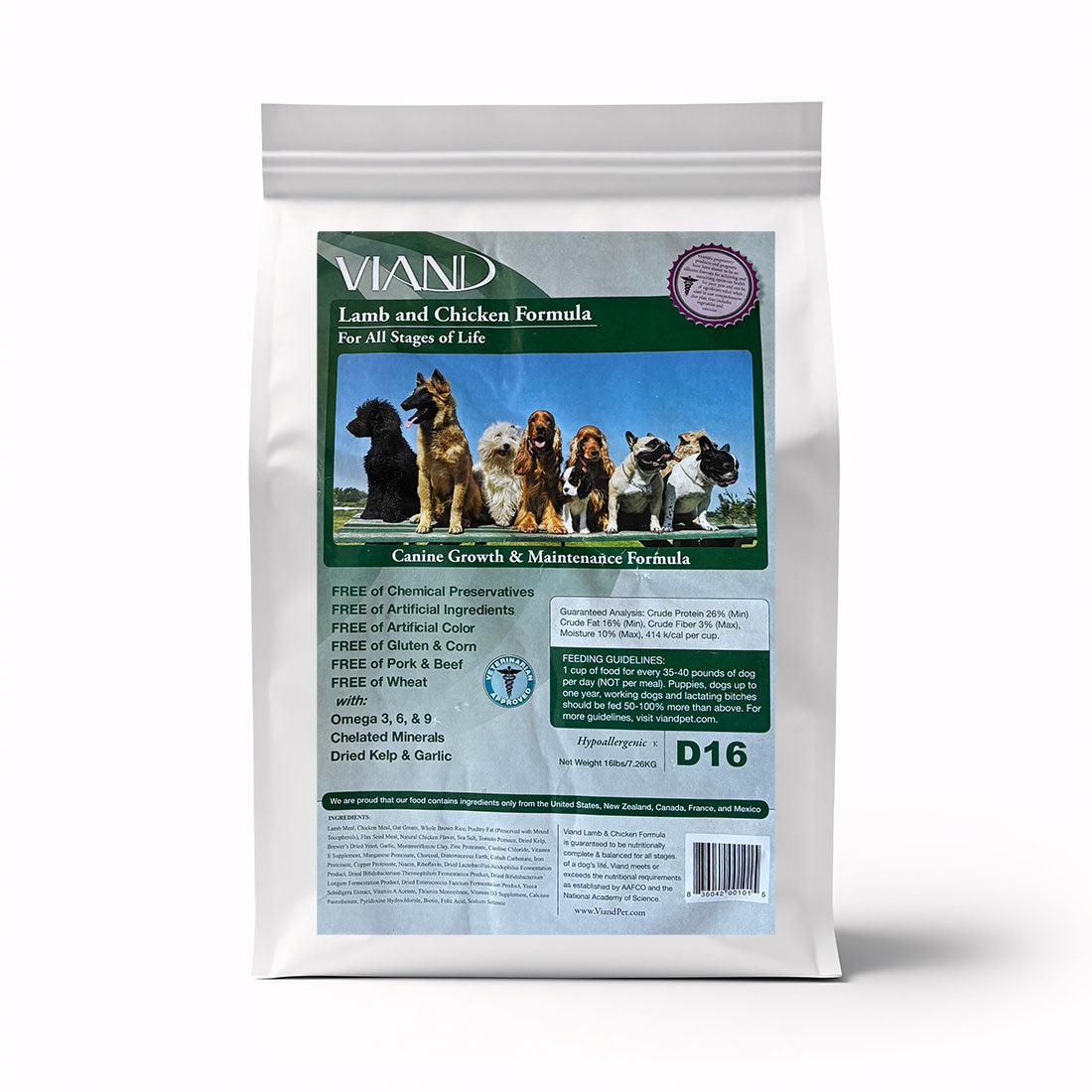
ViandPet’s nutrient-dense, complete diets are designed for owners who want to feed thoughtfully without relying on oversized portions. Measure every meal with a consistent cup or, even better, a kitchen scale when the feeding guidance is provided by weight. The goal is not to make the bowl look full. The goal is to provide what your dog can use.
Adjusting Feeding Frequency for Dogs With Real-Life Clues
Your dog’s daily pattern provides useful feedback. Normal, consistent stools, stable weight, good energy, a healthy coat, and calm satisfaction between meals suggest the plan is working. A dog who occasionally asks for food before dinner may simply enjoy food. A dog who suddenly becomes ravenous, refuses meals, loses weight, or develops ongoing digestive changes needs closer attention.
Change one variable at a time whenever possible. If you switch foods, add a supplement, increase treats, and move from two meals to three in the same week, you will not know what caused a positive or negative change. Give a reasonable adjustment time, track what you see, and keep your veterinarian involved when symptoms persist.
A good feeding schedule should fit your dog and your household well enough to be consistent. Set the bowls down with intention, measure the portion, and let your dog’s condition - not the size of the scoop or the strength of the pleading eyes - guide the next adjustment.