
· By Admin
How to Prevent Dog Overfeeding at Every Meal
That hopeful look beside the kitchen counter can make an extra handful of kibble feel harmless. Repeated every day, however, small extras can add up quickly. To prevent dog overfeeding, focus less on the size of the scoop and more on your dog’s total daily nutrition, activity, body condition, and life stage.
A healthy feeding plan is not about keeping a dog hungry. It is about supplying complete, satisfying nutrition in the amount their body can use. When portions are measured carefully and the food is nutrient-dense, many dogs thrive on less volume than owners expect.
Why Overfeeding Is So Easy to Miss
Overfeeding rarely happens because an owner is careless. It usually starts with good intentions: a little more food because a dog seems hungry, a treat after a walk, table scraps at dinner, or different family members feeding the same furry friend.
Dogs are also very good at asking for food. Some are naturally food-motivated, while others have learned that staring, pawing, or following someone into the kitchen earns a reward. Appetite alone is not a reliable measure of whether a dog needs more calories. Many dogs will gladly eat beyond what their bodies require.
The challenge is compounded by calorie-dense food. A high-quality, highly digestible diet may require a smaller serving than a lower-quality food filled with less usable ingredients. If you switch foods but continue filling the same bowl to the same visual level, calorie intake can rise without anyone noticing.
Extra weight can place stress on joints, reduce stamina, and complicate the management of certain health conditions. For puppies, large-breed dogs, and senior dogs especially, steady and appropriate feeding supports a healthier path through each life stage.
Start With the Right Daily Portion
The feeding chart on a food package is a starting point, not a permanent prescription. Those guidelines are generally based on a dog’s weight, but two dogs at the same weight may need very different calorie amounts. A young, intact working dog has different needs than a neutered adult who enjoys two leisurely neighborhood walks each day.
Use your dog’s ideal weight when possible, particularly if they are already carrying extra pounds. Then assess the variables that affect daily needs: age, breed, activity level, spay or neuter status, metabolism, health history, and whether weight gain or loss is the goal.
Measure food with a standard dry measuring cup or, better yet, a kitchen scale. Eyeballing portions is one of the most common ways daily intake creeps upward. A scoop can vary from person to person, and even a modest overpour at two meals a day becomes significant over weeks.
Split the daily allowance into planned meals. Most adult dogs do well with two measured meals, while puppies often need more frequent meals because of their developmental needs. Scheduled feeding also makes it easier to see changes in appetite, digestion, and eating habits than leaving food available all day.
Adjust for Food Density, Not Bowl Size
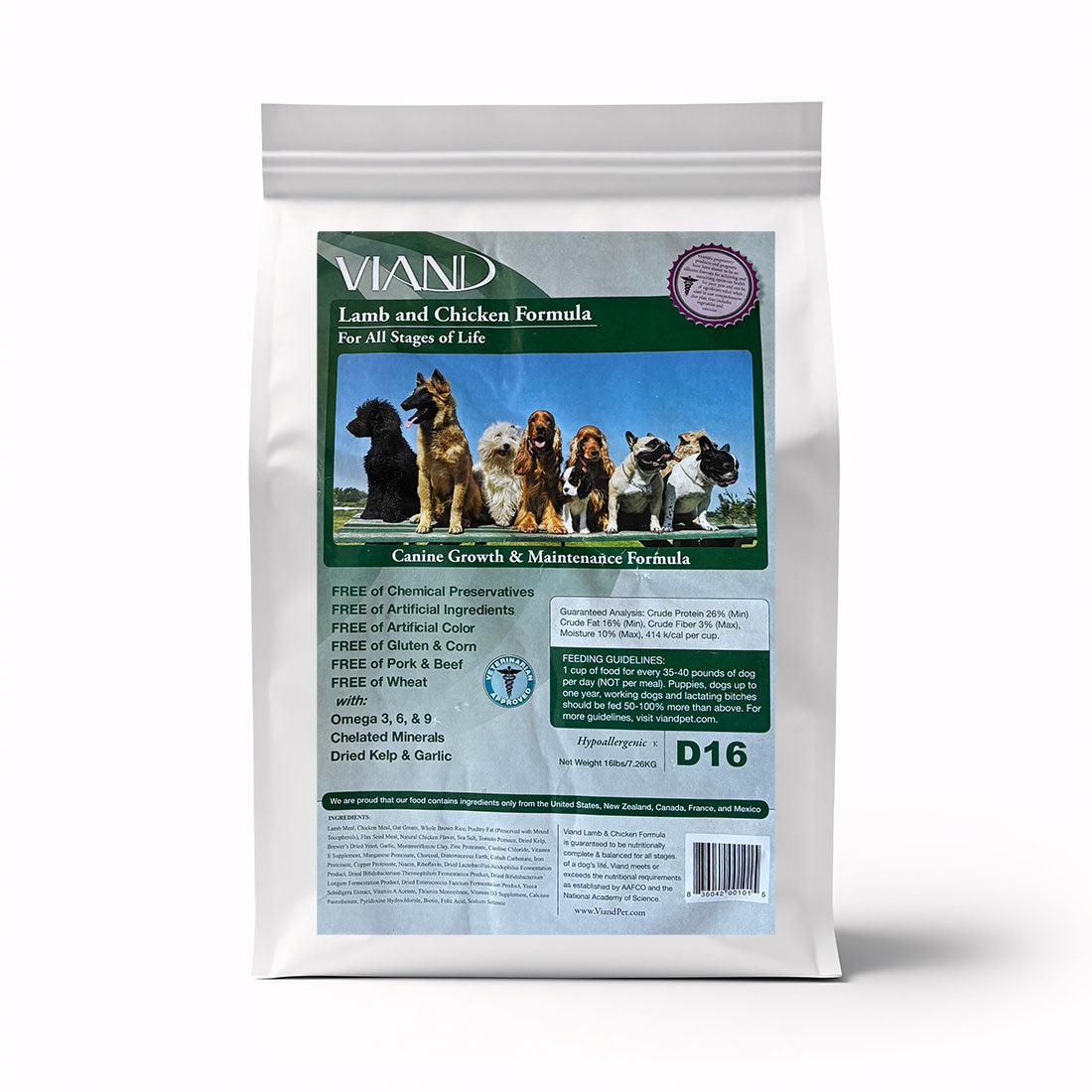
A full bowl is not a nutrition goal. Quality foods differ widely in calories per cup and in how efficiently a dog can digest and use their nutrients. A nutrient-dense, highly digestible food such as ViandPet may allow you to feed less while still supporting energy, coat quality, regular digestion, and overall condition.
Whenever you change foods, compare calories per cup and follow the new feeding guidance rather than relying on the previous volume. Transition gradually when appropriate, then monitor your dog for several weeks. If the scale or body condition starts moving in the wrong direction, make small, measured adjustments instead of dramatic cuts.
Use Your Dog’s Body Condition as a Guide
The scale matters, but it does not tell the whole story. Muscular dogs can weigh more than expected, and a dog may gain body fat before the number on the scale raises concern. A regular hands-on body-condition check gives you a more useful picture.
You should be able to feel your dog’s ribs with gentle pressure, without needing to press through a thick layer of fat. From above, there should be a visible waist behind the ribs. From the side, most dogs should have an abdominal tuck rather than a straight or rounded underline.
Coat type and breed structure can make visual checks difficult. A fluffy dog may look trim while carrying excess weight, and a naturally broad breed may not have the silhouette of a lean sighthound. When in doubt, ask your veterinarian to assess body condition and establish a realistic target weight.
Weigh your dog consistently, ideally once a month, using the same scale and similar conditions. For small dogs, even a pound can be meaningful. For large dogs, gradual gains can be easy to overlook until mobility or endurance changes.
Count Treats, Chews, and Table Food
Treats are part of life with a dog. They help with training, bonding, and celebrating the everyday moments that make companionship special. The key is to count them as food, not as free extras.
As a general rule, treats should make up no more than about 10 percent of a dog’s daily calories. That includes training rewards, dental chews, pill pockets, bones, bits of cheese, peanut butter, and scraps shared from the table. A single large chew may contain far more calories than owners realize.
For frequent training, use tiny rewards rather than full-size treats. You can also reserve a portion of your dog’s daily kibble for training sessions. This works especially well for dogs who are enthusiastic eaters and helps preserve room in the calorie budget for a favorite higher-value reward when it truly counts.
If your dog receives a calorie-rich treat, reduce the meal portion slightly that day. Do this with care, though. A complete dog food provides balanced vitamins and minerals, while most treats do not. Regularly replacing a major share of meals with treats or table food can create nutritional gaps even when the total calories seem reasonable.
Build a Household Feeding System
A clear routine prevents the accidental double dinners that happen in busy homes. Decide who is responsible for meals, where the food is measured, and how treats are tracked. If several people care for your dog, place a simple feeding chart near the food container or use a shared note on the family phone.
Pre-portioning the day’s food can be particularly helpful. Put the full daily amount in a labeled container each morning. Every meal, training reward, and food puzzle comes from that supply. Once it is gone, your dog has received their planned food for the day.
Food puzzles can be useful for dogs who eat quickly or seem preoccupied with food. They slow down mealtime and add mental stimulation without adding calories. They are not necessary for every dog, but they can make a measured portion feel more engaging for dogs who finish dinner in seconds.
Avoid feeding directly from the table. Even when the food itself is safe, the habit teaches a dog to expect eating opportunities whenever people sit down. If you want to share a dog-safe whole food such as plain green beans, use a measured amount in your dog’s dish, not a stream of bites during dinner.
Know When Hunger Signals Need Attention
A dog who suddenly seems ravenous is not always asking for more food. Increased appetite can come from a new exercise routine, colder weather, stress, boredom, medication, or an underlying medical concern. It can also be a learned behavior reinforced by extra snacks.
Look at the full picture. Is your dog losing weight, drinking more water, urinating more often, vomiting, having loose stools, or acting unusually tired? Are they already receiving an appropriate portion but still searching obsessively for food? These changes deserve a conversation with your veterinarian rather than an automatic increase in food.
Likewise, do not place a dog on a sharply restricted diet without guidance, especially a puppy, pregnant or nursing dog, senior dog, or dog with a medical condition. Safe weight reduction should be gradual and based on a complete diet that still delivers essential nutrients.
How to Prevent Dog Overfeeding Over Time
The best plan is one you can repeat. Measure meals, account for treats, check body condition, and revisit the portion whenever your dog’s activity or life stage changes. A dog who was perfect at two cups per day last year may need something different after surgery, during a less active winter, or as they enter their senior years.
Feeding less is not a sacrifice when the diet is complete and satisfying. It is a practical way to protect the mobility, comfort, and everyday vitality that make more walks, games, and quiet moments together possible. Start with tonight’s meal: measure it, serve it with confidence, and let your dog’s long-term health guide the next scoop.