


· By Admin
How to Support Healthy Dog Joints at Every Age
A dog who hesitates before jumping into the car, takes a few extra seconds to rise after a nap, or falls behind on a familiar walk is communicating something worth noticing. Learning how to support healthy dog joints starts long before obvious stiffness appears. Daily food choices, body condition, exercise habits, and timely veterinary care all shape how comfortably your dog moves through puppyhood, adulthood, and the senior years.
Joint health is not only a concern for older dogs or giant breeds. Fast-growing puppies, hard-working sporting dogs, dogs carrying extra weight, and breeds with inherited orthopedic risks all benefit from a thoughtful, lifelong plan. The goal is not to promise that a dog will never develop joint disease. It is to reduce avoidable strain, support normal joint function, and respond early when your furry friend needs help.
How to Support Healthy Dog Joints Every Day
A healthy joint is a hardworking structure. Bones meet inside a capsule lined with tissue that produces lubricating fluid, while cartilage helps cushion movement. Muscles, tendons, and ligaments stabilize the joint from the outside. When one part is under too much stress, whether from excess weight, injury, poor conditioning, or age-related wear, the whole system can feel the effects.
That is why joint care works best as a routine, not a single product or occasional fix. Begin with the basics your dog experiences every day: an appropriate complete diet, measured portions, regular low-impact movement, secure footing at home, and a veterinarian who knows your dog's history.
Keep your dog lean, not merely within a broad weight range
Extra body fat is one of the most controllable sources of joint stress. Even a few unnecessary pounds can change the load placed on hips, knees, elbows, and spine with every step. For a small dog, that added pressure can be significant. Fat tissue can also contribute to inflammatory processes in the body, making weight management about more than the number on the scale.
Use your hands as well as your eyes. You should be able to feel your dog's ribs with a light covering, see a visible waist from above, and notice an abdominal tuck from the side. A thick coat can hide body changes, so regular hands-on checks matter. If you are unsure, ask your veterinarian to assess body condition rather than relying on a chart alone.
Measured meals are more reliable than a full bowl left out all day. Treats count, too. Reserve a portion of your dog's regular food for training, choose small treats, and adjust meal portions when treats are part of the day. Premium, nutrient-dense food can help because dogs may need less food by volume to meet their nutritional needs. Feed Less. Save. is only beneficial when portions are still matched to the individual dog.
Make nutrition the foundation
Joint supplements receive plenty of attention, but the everyday diet comes first. Dogs need a complete and balanced food that provides digestible protein for muscle maintenance, appropriate calories for a healthy body condition, and essential fats, vitamins, and minerals. Strong muscles help support joints, particularly around the hips and knees.
Ingredient quality and digestibility matter for the whole dog. A dog struggling with digestive upset, food sensitivities, or inconsistent stools may not thrive on a feeding plan simply because the bag looks good on paper. Choose a food that agrees with your dog's system and maintain consistency long enough to evaluate results. Frequent, unnecessary food changes can make it harder to identify what is helping.
Puppies require special attention. Large- and giant-breed puppies should grow steadily, not rapidly. Overfeeding calories or using an unbalanced homemade diet can contribute to skeletal problems during a critical growth period. Feed a diet formulated for the puppy's expected adult size, follow portions thoughtfully, and discuss growth monitoring with your veterinarian.
For adult and senior dogs, protein should not be casually restricted just because a dog is getting older. Many older dogs need quality protein to preserve lean muscle. The right amount depends on health status, activity, body condition, and any diagnosed medical needs, so individualized veterinary guidance is valuable.
Choose Joint Supplements With Purpose
Targeted nutritional support can be useful, especially for aging dogs, active dogs, large breeds, and dogs with early mobility changes. But supplements are not interchangeable, and more is not automatically better. Look for products with clearly identified ingredients and appropriate dosing information for your dog's weight.
Common joint-support ingredients include glucosamine and chondroitin, which are often used to support cartilage and joint comfort. Omega-3 fatty acids from marine sources can support a healthy inflammatory response. Green-lipped mussel, hyaluronic acid, and certain antioxidant ingredients may also be included in well-designed formulas.
Results vary. A supplement may be a sensible addition for one dog yet offer little noticeable change for another, particularly if excess weight, an untreated injury, or advanced arthritis is the larger issue. Give any veterinarian-approved supplement enough time to assess it consistently, often several weeks, unless your veterinarian advises otherwise. Avoid stacking multiple products with overlapping ingredients without professional guidance.
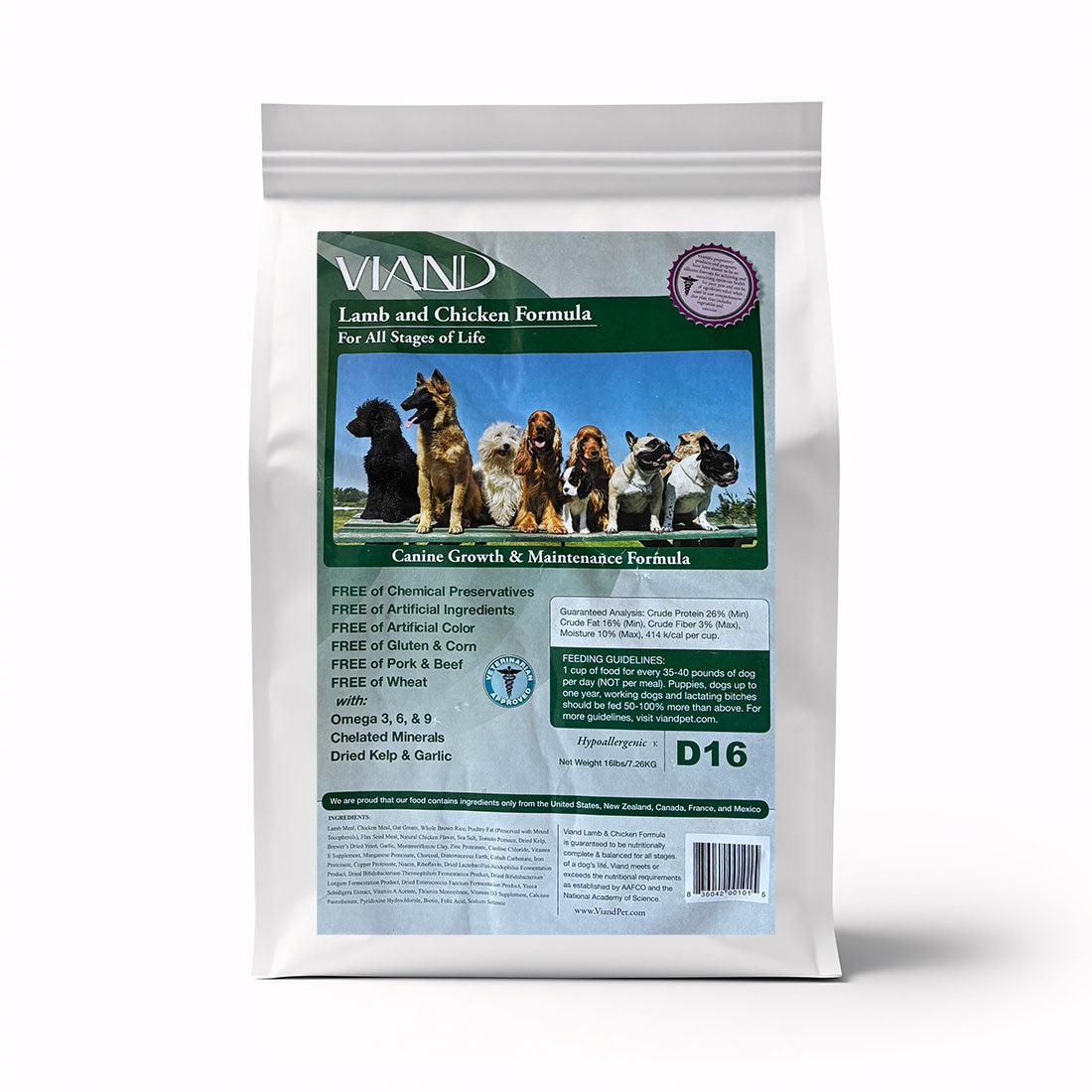
At ViandPet, the practical approach is to pair a high-quality daily diet with targeted support when a dog's age, activity, or mobility needs call for it. Supplements work best as part of a complete program, not as permission to overlook portions or exercise.
Build Strength Without Overworking Joints
Dogs need movement to maintain muscle, coordination, circulation, and a healthy weight. The best activity plan depends on age, breed, conditioning, weather, and existing orthopedic concerns. A young Border Collie and a senior Bulldog should not have the same exercise prescription.
For most healthy adult dogs, consistent walks and opportunities to move at a comfortable pace are better than a sedentary week followed by an exhausting weekend outing. Increase duration or intensity gradually. Conditioning takes time, and sudden bursts of repetitive running, leaping, or sharp turns can invite injury in an unprepared dog.
Swimming and controlled walking are often joint-friendly options because they build fitness with less impact than repeated jumping. Gentle hill walking can be useful for some dogs, but should be introduced carefully. Dogs recovering from injury or already showing discomfort need a plan from their veterinarian, and sometimes a veterinary rehabilitation professional, before starting new activities.
Be particularly mindful of high-impact play. Fetch can be enjoyable, but repeated hard stops, twisting, and vertical jumps may not suit every dog. You do not have to take away all fun. Try rolling a toy along the ground, using shorter throws, mixing in scent games, or choosing soft-surface play over slippery floors or packed pavement.
Make Home Easier on Moving Bodies
Small changes around the house can reduce daily strain, especially for senior dogs and breeds prone to hip, knee, or back issues. Slippery floors can cause a dog to splay or lose confidence, so runners or nonslip mats in high-traffic paths are often worthwhile. Keep nails trimmed to improve traction and support a more natural gait.
Ramps or sturdy steps can limit repeated jumping onto furniture or into vehicles. The right choice depends on the dog and the space. Some dogs adapt quickly to a ramp; others need patient training with treats and a gentle incline. A supportive bed in a draft-free location gives tired joints a comfortable place to rest, but bedding alone will not correct pain or mobility loss.
Regular grooming also matters. Check paw pads for cracks or debris, watch for licking around a particular leg, and notice whether your dog is wearing nails unevenly. These details can reveal changes in gait before a dog clearly limps.
Know When to Call the Veterinarian
Dogs are remarkably good at adapting, which means joint discomfort can be easy to miss. Do not wait for dramatic limping. A veterinary exam is appropriate when you notice reluctance to climb stairs, trouble rising, reduced interest in walks, stiffness after rest, a new limp, swelling, yelping, changes in posture, or behavior changes such as irritability when touched.
Sudden inability to bear weight, severe pain, a traumatic fall, or a swollen limb calls for prompt care. Never give human pain relievers unless your veterinarian specifically directs you to do so. Several common over-the-counter medications can be dangerous for dogs.
Your veterinarian can distinguish among arthritis, ligament injuries, hip or elbow conditions, spinal problems, paw injuries, and other causes of mobility changes. That distinction matters. The most helpful plan may include weight management, prescription medication, physical rehabilitation, controlled exercise, nutrition adjustments, supplements, or a combination of these approaches.
The best time to protect your dog's joints is during ordinary days, when a measured meal, a comfortable walk, and a safe place to rest may not seem remarkable. Those small choices add up, helping your dog keep doing the simple, joyful things that make a life together feel full.