

· By Admin
Hypoallergenic Food Reviews: What Really Matters
A dog who licks his paws all night or a cat who regularly leaves the room after meals may not need another trendy bag of food. They need a closer look at what is in the bowl, how much is being fed, and what changes after a consistent trial. Hypoallergenic food reviews can be useful here, but only when you read past the star rating and focus on the details that apply to your furry friend.
A review that says, “My pet did great,” is encouraging. A review that explains the pet’s symptoms, food transition, portion size, stool quality, coat changes, and timeline is far more helpful. Food sensitivity is personal. One pet may improve when wheat or corn is removed, while another may react to a particular animal protein, rich treats, or a sudden diet change.
How to Read Hypoallergenic Food Reviews
Start by looking for a pattern, not a miracle story. If several owners describe more regular digestion, less itching, cleaner ears, or a softer coat after several weeks on the same formula, that is meaningful feedback. It suggests the food may be highly digestible and consistent enough to support sensitive pets.
Then look at the pet behind the review. A large-breed senior dog with recurring loose stool is not the same case as a young cat with occasional vomiting. Reviews are most relevant when the pet’s age, size, symptoms, and feeding history resemble your own. A detailed review from an owner who has carefully managed a sensitivity often carries more weight than a brief comment written two days after opening the bag.
Pay attention to timing. Skin and coat concerns usually need more time to show progress than stool consistency. A digestive response may be visible within days once the transition is complete, while itching, ear debris, and dry skin can take several weeks to settle. Reviews that report changes after one meal are not necessarily untrue, but they do not tell you whether the result lasted.
The most credible reviewers also mention what else changed. Did they stop feeding table scraps? Did they discontinue flavored chews or treats? Did they follow a measured feeding amount rather than free-feed? When evaluating a food, these details matter because even a well-formulated diet cannot do its best work if the pet is still getting potential triggers throughout the day.
What “Hypoallergenic” Should Mean on a Pet Food Label
The word hypoallergenic should prompt questions, not blind trust. In pet nutrition, it commonly describes a formula designed to reduce exposure to ingredients that may be troublesome for some pets. It does not mean every dog or cat will tolerate it, and it does not replace veterinary care for severe or persistent symptoms.
For many owners, a practical starting point is a complete food made without common grain ingredients such as wheat, corn, and gluten, with clearly identified animal proteins and no vague ingredient surprises. A shorter, understandable ingredient panel can make it easier to monitor what your pet is eating. That said, short is not automatically better. Your pet still needs complete, balanced nutrition for his or her life stage.
Protein deserves particular attention. Meat-conscious nutrition can provide the amino acids pets need, but a pet can be sensitive to a protein he has eaten for years. If your veterinarian suspects a true food allergy, a structured elimination diet may be needed to identify the trigger. In that situation, switching between several over-the-counter foods too quickly can make the picture less clear.
Also consider digestibility. A food may avoid wheat and corn yet still be too rich, too high in fat for an individual pet, or fed in a portion that overwhelms digestion. The best review is not simply “my dog loved it.” It is “my dog enjoyed it, maintained a healthy weight, produced smaller well-formed stools, and stayed comfortable over time.”
The Review Details Worth Trusting
Owners often turn to reviews because they want a real-world answer: Will this help my pet? The honest answer is that it depends on the cause of the problem and how consistently the food is used. Still, certain details make a review much more useful.
Look for reviews that address these practical points:
- The original concern: Itching, paw chewing, gas, loose stool, recurrent ear trouble, vomiting, dull coat, or excessive shedding are very different starting points.
- The transition period: A gradual switch over about seven to 10 days is usually gentler on the digestive system, especially for pets already dealing with stomach upset.
- The feeding amount: Nutrient-dense foods may require smaller portions. Overfeeding can create soft stool and weight gain that owners mistakenly blame on the formula.
- The duration of use: A feeding trial should be long enough to evaluate the concern. For many non-emergency skin and digestive questions, that means several weeks of steady feeding.
- The full diet: Treats, chews, toppers, supplements, and family snacks can all affect the outcome. A review is more reliable when these are disclosed.
Separate Food Sensitivity From Other Health Concerns
Not every itchy pet has a food issue. Environmental allergies, fleas, yeast overgrowth, seasonal pollen, skin infections, and grooming products can all cause scratching. Not every pet with loose stool needs a hypoallergenic formula either. Parasites, stress, abrupt food changes, rich treats, medications, and underlying digestive conditions can produce similar signs.
This is where a thoughtful food trial becomes more helpful than constant switching. Choose an appropriate complete diet, introduce it gradually, keep the rest of the diet simple, and observe your pet closely. Track stool quality, frequency of vomiting, ear condition, licking, scratching, appetite, energy, and body weight. A few notes on your phone can reveal whether progress is steady or whether symptoms return after a specific treat or chew.
Call your veterinarian promptly for facial swelling, hives, breathing changes, blood in stool, repeated vomiting, marked lethargy, rapid weight loss, or signs of pain. These are not wait-and-see concerns. A veterinarian can also help determine whether a prescription elimination diet, testing, or treatment is more appropriate than another retail food change.
A Better Way to Test a New Food
A successful food change is usually quiet and consistent. Mix a small amount of the new food with the current food, then gradually increase the new portion over roughly a week. Pets with very sensitive digestion may need a slower transition. Keep portions measured and fresh water available.
Once the transition is complete, resist the urge to add multiple new products at once. It is tempting to pair a new food with a new treat, topper, dental chew, and supplement, especially when you want quick relief. But if symptoms improve or worsen, you will not know which change mattered. Introduce complementary products one at a time after the core diet is going well.
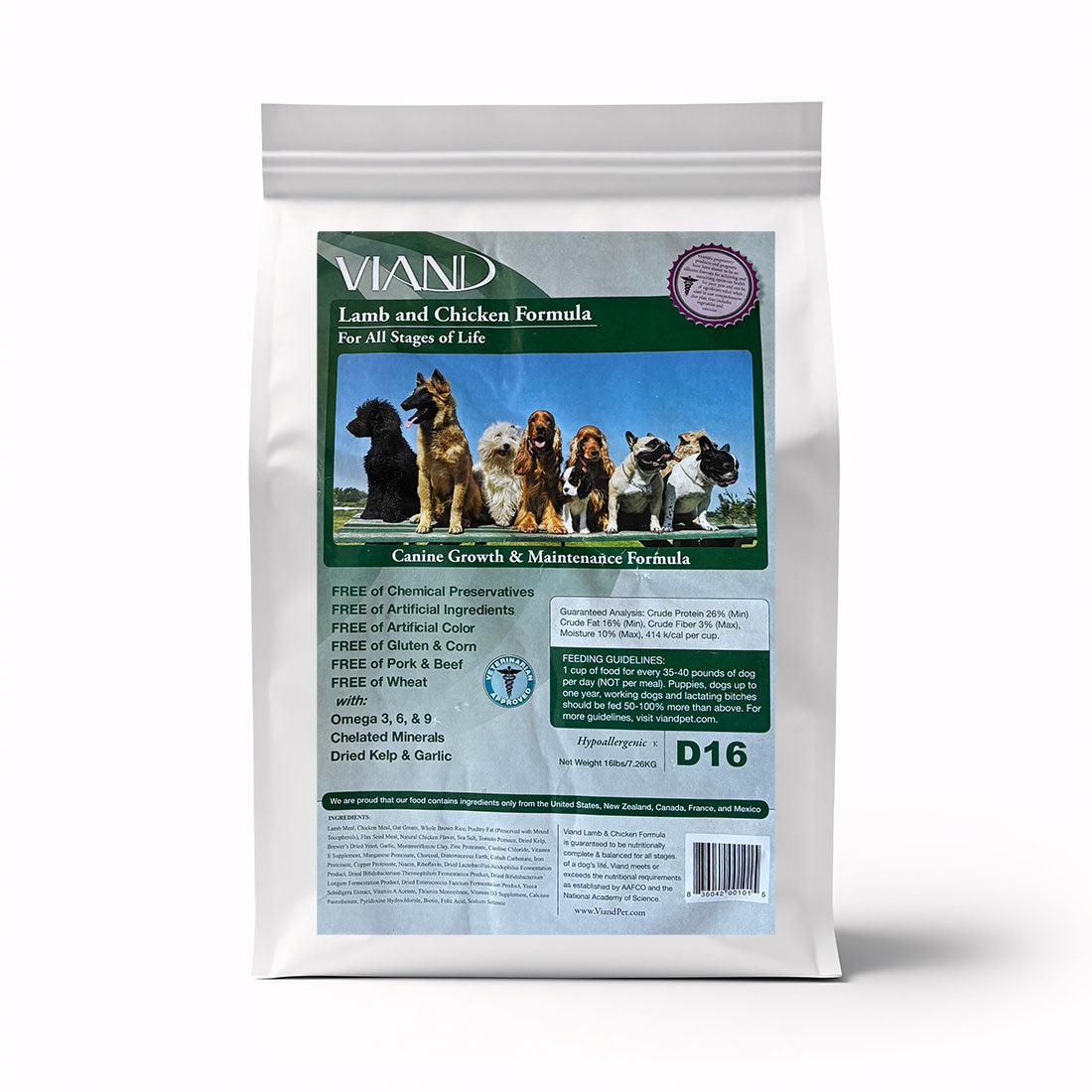
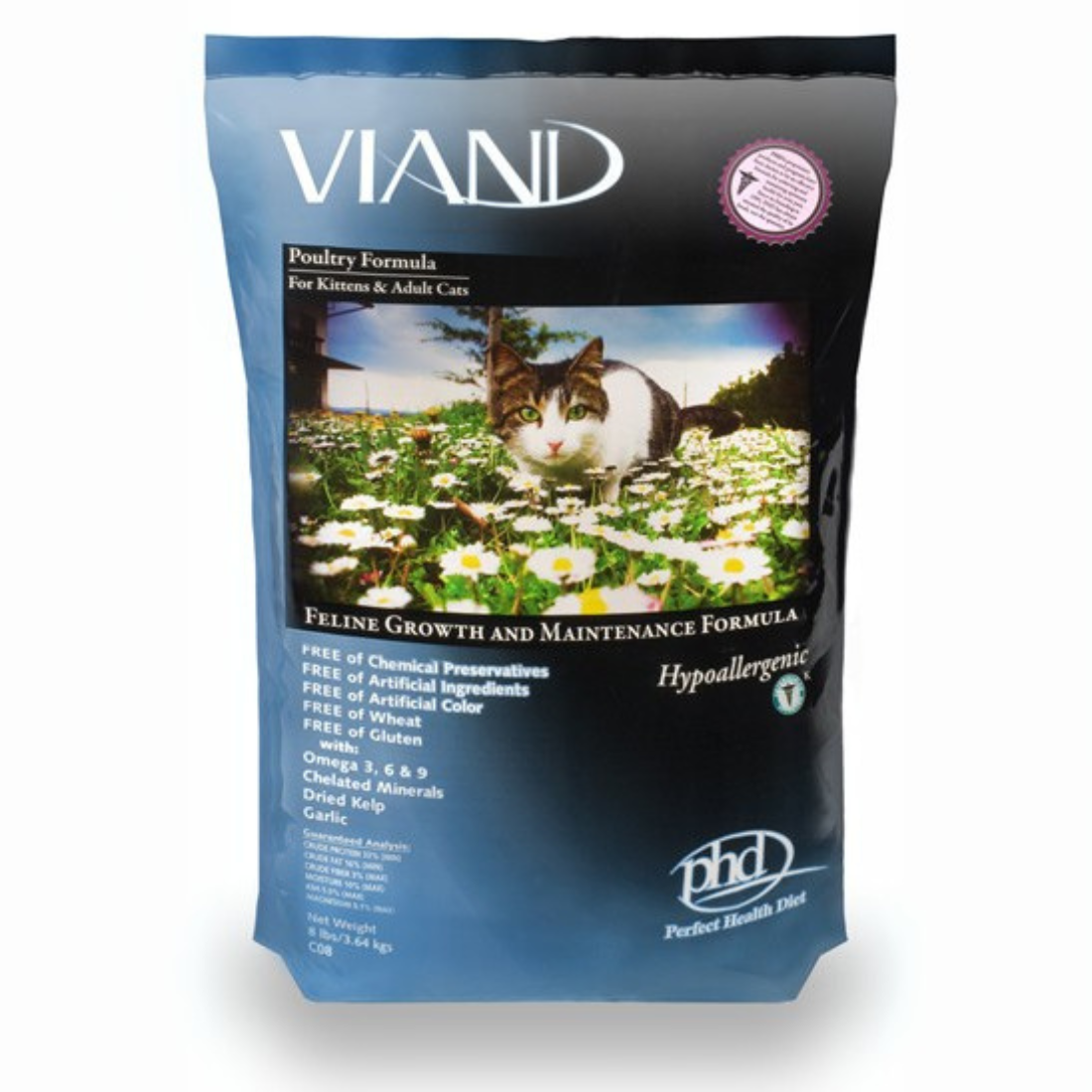
For owners seeking a wheat-free, gluten-free, corn-free approach, a formula such as ViandPet’s can fit into a practical long-term feeding plan when it matches the pet’s needs. The goal is not to chase labels. It is to choose a complete, natural diet your pet digests well, enjoys, and can thrive on consistently.
The strongest reviews are not the loudest ones. They are the ones that describe a pet becoming more comfortable at mealtime, more regular on walks to the yard, and more like himself over a steady stretch of ordinary days. Give a sensible nutrition plan enough time to speak for itself, and let your pet’s daily comfort guide the next decision.