

· By Admin
Pet Detox Diet for Dogs: What Actually Helps
A dull coat, inconsistent stools, itchy skin, or a dog who seems less interested in meals can make any caring owner wonder whether a pet detox diet for dogs is the answer. The honest answer is more practical: healthy dogs already detoxify every day through the liver, kidneys, digestive tract, lungs, and skin. What nutrition can do is support those systems with highly digestible food, clean water, sensible portions, and a steady routine.
That distinction matters. A harsh cleanse, fasting plan, or random supplement stack can create more stress for a dog’s body, especially for puppies, seniors, small dogs, and dogs with health conditions. A thoughtful nutrition reset, on the other hand, can help identify what may be burdening digestion and give your furry friend a better foundation for daily wellness.
What a Pet Detox Diet for Dogs Should Mean
For dogs, “detox” should never mean trying to flush the body with juices, laxatives, diuretics, or restrictive homemade meals. Dogs need consistent energy, amino acids, essential fatty acids, vitamins, and minerals. Taking those away in the name of cleansing can leave them undernourished rather than refreshed.
A sensible detox-focused feeding plan means removing unnecessary dietary stressors and feeding in a way that supports normal elimination and digestion. For many dogs, that starts with a complete and balanced, meat-conscious diet made with digestible ingredients. It also means avoiding the constant rotation of table scraps, rich treats, and new foods that can make it difficult to tell what agrees with your dog.
The goal is not a dramatic transformation in three days. The goal is regular stools, stable appetite, comfortable digestion, healthy skin and coat, good hydration, and reliable energy over time.
Start by Looking at What Is Already in the Bowl
Before adding a powder or changing every part of your dog’s routine, take an honest look at the daily diet. Ingredient quality and feeding volume matter. A food that is difficult for a particular dog to digest may show up as large stools, gas, inconsistent stool quality, itching, ear irritation, or a coat that lacks its usual shine.
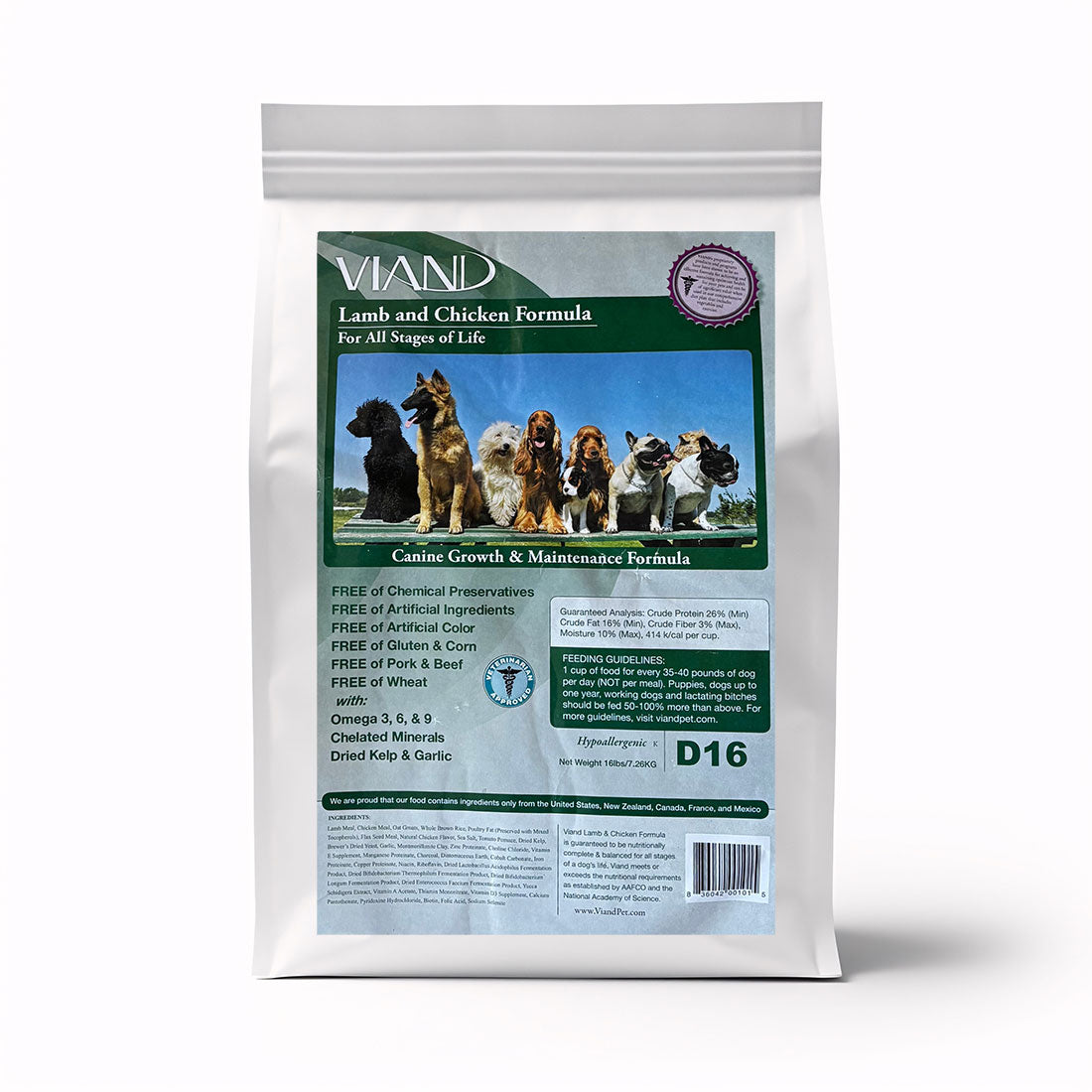
Some dogs do well on a wide range of foods. Others are more sensitive to common ingredients, abrupt diet changes, excess fat, or too many treats. Wheat, corn, gluten, and vague low-quality fillers are not automatically harmful to every dog, but owners managing sensitivities often find that simpler, well-formulated recipes make a noticeable difference.
Portion size is another frequently missed piece of the puzzle. Overfeeding can strain digestion and contribute to weight gain, while underfeeding may leave a dog without the nutrients needed to maintain muscle, skin, and immune health. Premium nutrient-dense food may require a smaller portion than a less concentrated grocery-store formula. Feed according to your dog’s ideal weight, activity level, life stage, and body condition, then adjust gradually based on results.
A Practical Nutrition Reset
If your dog is otherwise well but seems to need a dietary reset, use a calm, consistent approach rather than a cleanse. Start by choosing one complete food that fits your dog’s needs and feeding it consistently. If you are changing foods, transition over about seven to 10 days, mixing increasing amounts of the new food with decreasing amounts of the old food. Dogs with very sensitive digestion may need an even slower transition.
During this period, keep extras simple. Use the dog’s regular food as training rewards when possible, or choose limited-ingredient treats that fit the same nutritional approach. Skip fatty people food, heavily processed treats, and frequent “just a bite” additions. Even small extras can matter for a 15-pound dog.
Fresh water should always be available. Hydration supports normal kidney function and helps the digestive system move waste effectively. If your dog suddenly drinks far more or far less than usual, however, do not assume it is a detox issue. Changes in thirst should be discussed with your veterinarian.
Regular movement also helps. A daily walk, play session, or age-appropriate activity supports normal bowel motility, healthy weight, and stress relief. Nutrition works best when it is part of a whole routine, not treated as a quick fix.
When Supplements Can Be Useful
Supplements can complement a quality diet, but they are not a substitute for one. The right choice depends on the issue you are trying to address. A dog with occasional loose stools may benefit from targeted digestive support, while a dog with dry skin or a lackluster coat may need support for skin and coat health. A senior dog’s needs may differ from those of a growing puppy or a highly active adult.
Use a supplement with a clear purpose, follow the label directions, and introduce one new product at a time. That makes it easier to see whether it helps and avoids overwhelming a sensitive digestive system. More is not better, particularly with fat-soluble vitamins and concentrated herbal products.
Be cautious with detox products that promise to “cleanse toxins” quickly or claim to treat broad medical problems. Natural does not always mean appropriate for every dog. Certain herbs, essential oils, and human detox products can be unsafe for pets, and some may interfere with medications.
ViandPet’s approach is rooted in giving dogs a strong daily nutritional foundation first, then using targeted supplements when there is a clear wellness goal. That is a more dependable path than chasing a cleanse every time a minor concern appears.
Signs That Call for a Veterinarian, Not a Detox
Nutrition can support health, but it cannot diagnose disease. Contact your veterinarian promptly if your dog has persistent vomiting or diarrhea, blood in stool, a swollen or painful abdomen, marked lethargy, refusal to eat, unexplained weight loss, yellowing of the eyes or gums, or major changes in thirst or urination.
These signs can point to conditions that require medical care, including infections, parasites, pancreatitis, liver concerns, kidney disease, endocrine disorders, or dietary intolerance. Trying to manage them with a cleanse can delay the care your dog needs.
If your dog has diagnosed kidney, liver, gastrointestinal, or metabolic disease, ask your veterinarian before changing food or adding supplements. Those dogs may need a specific nutritional plan, and even well-intentioned ingredients can be the wrong fit for their condition.
How to Tell Whether the Plan Is Working
A healthy feeding change is usually measured in ordinary improvements, not dramatic claims. Over several weeks, watch your dog’s stool consistency, frequency, appetite, energy, coat condition, skin comfort, and body weight. Take a photo of your dog from the side and above every few weeks if weight management is part of the goal. It can be easier to spot gradual body-condition changes in photos than in day-to-day life.
Keep a brief feeding note for two to four weeks. Record the food, portion, treats, supplements, stool quality, and any itching or digestive symptoms. This is especially helpful when food sensitivity is suspected. It gives you useful information to discuss with your veterinarian and helps prevent unnecessary changes based on one off day.
Consistency is often the most overlooked wellness tool. A dog’s body responds best to a dependable diet that provides complete nutrition, digestible ingredients, and portions that match real needs. Give that foundation time to work, and let everyday signs of comfort, energy, and regular digestion guide the next choice you make for your dog.