

· By Admin
Best Puppy Supplements for Healthy Growth
A puppy can look perfectly healthy while growing faster than any other stage of life. Bones lengthen, muscles develop, the digestive system matures, and the immune system learns its job. That is why the search for the best puppy supplements should begin with one practical question: does your puppy actually need one?
For most puppies, a high-quality food formulated for growth provides the nutritional foundation. It should deliver complete, balanced nutrition in the right proportions for a developing dog, not simply extra calories. Supplements can be useful when they address a specific need, but adding several products to an already complete diet can create imbalances rather than better health.
The Best Puppy Supplements Start With the Bowl
A supplement cannot correct a poor feeding program. Puppies need a digestible, meat-conscious diet with adequate protein, appropriate fat, and carefully balanced vitamins and minerals. They also need portions that match their age, breed, expected adult size, activity level, and body condition.
This matters especially for large- and giant-breed puppies. Fast growth and excess body weight can put unnecessary strain on developing joints. Adding calcium or high-dose mineral products without veterinary guidance can disrupt the calcium-to-phosphorus balance that a properly formulated puppy food is designed to provide. More is not always better - and for a growing dog, it can be counterproductive.
Before choosing a supplement, review the food label and ask whether the food is complete and balanced for growth or all life stages. If it is, focus first on consistent feeding, measured portions, fresh water, routine wellness care, and watching your puppy's stool, coat, energy, and growth pattern.
When a Puppy Supplement Can Make Sense
The right supplement is targeted, not trendy. A veterinarian may recommend one after reviewing your puppy's diet, breed, health history, symptoms, and any medications. In other cases, a gentle nutritional supplement may be a sensible addition during common adjustment periods, such as moving into a new home, changing foods, or recovering from a digestive upset.
Probiotics for digestive adjustment
A puppy's digestive system can be sensitive to stress, diet changes, treats from well-meaning family members, and the excitement of a new environment. A quality probiotic may help support beneficial intestinal bacteria and promote regular, well-formed stools.
That does not mean every loose stool calls for a supplement. Diarrhea in puppies can become serious quickly, particularly when it is frequent or accompanied by vomiting, lethargy, poor appetite, abdominal discomfort, or blood. Parasites, infections, dietary intolerance, and foreign-object ingestion need veterinary attention, not a guess from the supplement aisle.
When selecting a probiotic, look for a product made specifically for dogs, with clearly identified strains and storage instructions. Use it as directed, introduce it gradually, and change only one thing at a time so you can see how your puppy responds.
Omega fatty acids for skin, coat, and development
Omega-3 fatty acids, particularly EPA and DHA from marine sources, can support healthy skin, a soft coat, and normal inflammatory balance. DHA also plays a role in early brain and vision development. Some puppy foods already include these nutrients, so check the formula before adding fish oil or another omega supplement.
If your puppy has dry skin, recurring itchiness, a dull coat, or frequent ear concerns, resist the urge to assume an oil supplement is the whole answer. These signs may also point to environmental irritation, parasites, infection, or food sensitivity. A well-chosen omega product can be helpful, but it should fit into a broader plan that identifies the cause.
Fish oils are calorie-dense and can cause soft stool when introduced too quickly. Start conservatively, follow the product's weight-based directions, and keep the bottle protected from heat and light. An oxidized oil is not a nutritional upgrade.
Joint support for breed-specific needs
Large breeds and puppies with a family history of orthopedic concerns may benefit from a veterinarian-led conversation about joint support. Ingredients such as glucosamine, chondroitin, green-lipped mussel, and omega-3 fatty acids are common in joint products, but their role in healthy, growing puppies is more nuanced than marketing often suggests.
Joint health begins with lean body condition, controlled growth, sensible exercise, traction on slippery floors, and a diet appropriate for the puppy's expected adult size. Supplements may have a place for an individual puppy, particularly when a veterinarian identifies a need, but they do not replace these fundamentals. Avoid products that promise to prevent every joint problem or make dramatic claims about rebuilding tissue.
Multivitamins only when there is a real gap
A daily multivitamin sounds like inexpensive insurance, yet it is often unnecessary for a puppy eating a complete growth diet. Fat-soluble vitamins and minerals can accumulate, and overlapping products can create a problem quietly. For example, combining a fortified puppy food, multivitamin, calcium powder, and several enriched treats can push intake well beyond what a growing dog needs.
A multivitamin may be appropriate when a veterinarian is addressing a documented deficiency, a carefully designed home-prepared diet, or a special medical circumstance. It should not be the default addition to a bowl of nutritionally complete food.
How to Choose a Puppy Supplement Worth Feeding
Pet owners should expect more than a bright label and an appealing flavor. Look for a clear purpose, full ingredient disclosure, species-appropriate directions, and a manufacturer that provides lot information and quality controls. Avoid proprietary blends that hide the amount of each active ingredient. You should be able to see what you are feeding and how much.
For powders, chews, and oils, consider the rest of the ingredient panel too. A supplement meant to help a sensitive puppy should not be loaded with unnecessary sweeteners, artificial colors, or ingredients that have caused trouble in the past. Simple formulas are often easier to evaluate and easier to tolerate.
Palatability matters, but it should not be the deciding factor. A chew your puppy loves still adds calories. Count supplement chews and training treats as part of the day's intake, especially in small breeds and puppies that are gaining weight too quickly.
A Simple Way to Introduce Supplements
If you and your veterinarian decide a supplement is appropriate, introduce it slowly. Keep the main food stable for several days before and after starting it. Begin with a small amount when directions allow, then work up to the recommended serving while monitoring stool quality, appetite, skin, and energy.
Keep a brief note on your phone with the product name, dose, start date, and any changes you observe. This is particularly useful when a puppy is eating new treats, receiving preventives, or moving through a food transition at the same time. It gives your veterinarian useful information and prevents the usual guessing game.
Stop the product and contact your veterinary team if your puppy develops vomiting, persistent diarrhea, facial swelling, hives, unusual tiredness, or refuses food. A natural ingredient can still cause an adverse reaction.
What Puppies Usually Need More Than Supplements
Many wellness goals are better supported by daily habits than by a crowded supplement cabinet. Puppies thrive on a consistent feeding schedule, portions adjusted as they grow, healthy sleep, age-appropriate play, socialization, training, parasite prevention, and regular veterinary exams. Their food should be highly digestible enough that they can use what they eat rather than simply produce more waste.
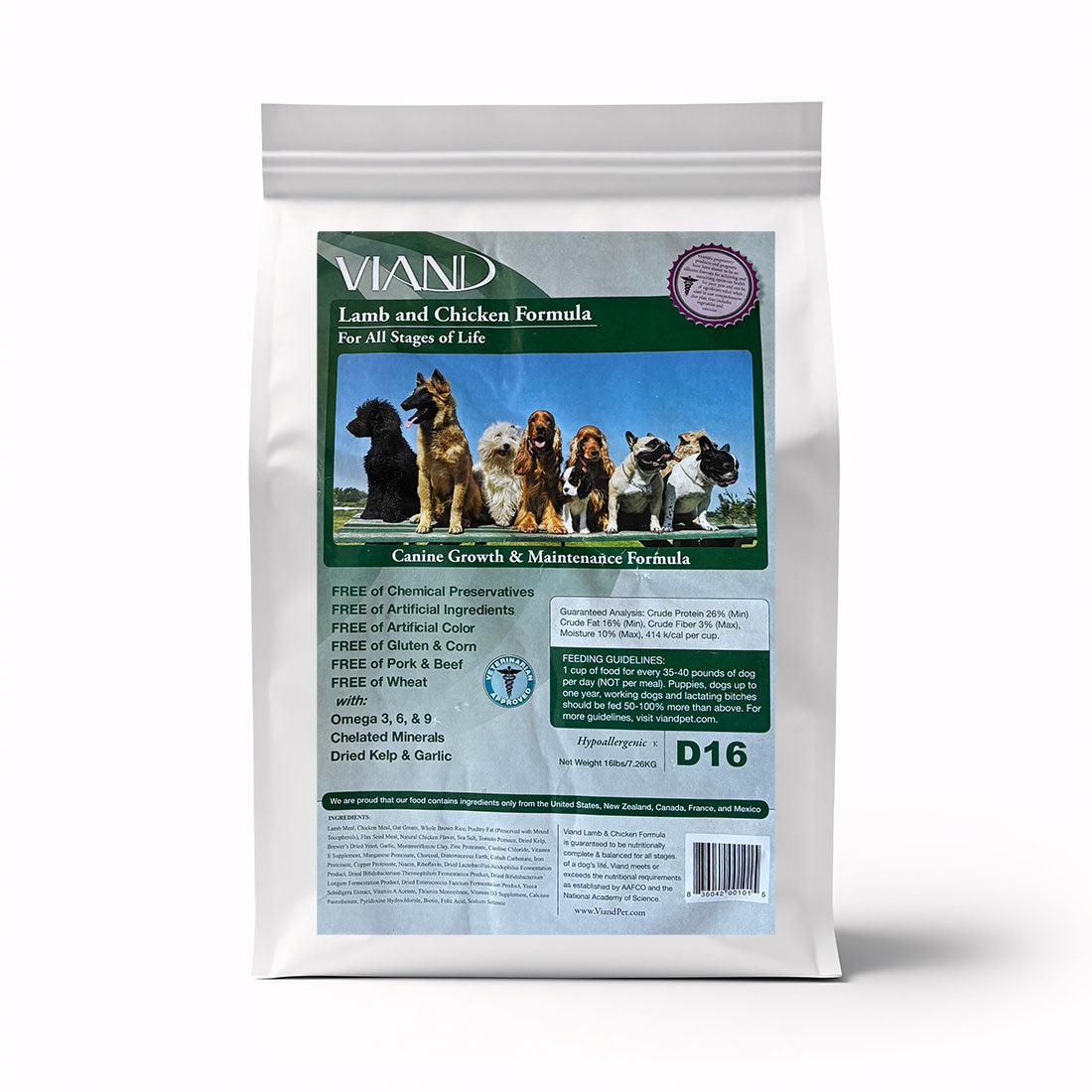
This is where a nutrition-first approach pays off. At ViandPet, we believe long-term wellness begins with feeding a carefully balanced, natural diet in the right amount, then using targeted nutritional support when it serves a clear purpose. Feed less. Save. More importantly, give your growing companion a foundation that makes sense for the life ahead.
Your puppy does not need every supplement on the shelf. They need thoughtful nutrition, close observation, and an owner willing to make changes for a reason. Start with the bowl, ask good questions, and let your puppy's individual needs guide the next step.